Essential Tips for Choosing the Right Gate Valve for Your Needs?
Choosing the right Gate Valve is crucial in many industries. A well-selected gate valve can enhance operational efficiency and ensure safety. According to a recent report by the Valve Manufacturers Association, the gate valve market is projected to grow by 5.2% annually, highlighting its increasing significance. Industry expert Dr. Emily Zhang states, “Selecting the appropriate gate valve can prevent costly failures.”
Gate valves serve various purposes in water, oil, and gas industries. Their design is vital for maintaining flow control and preventing leaks. However, the wrong choice can lead to significant issues. Many organizations underestimate the importance of precise valve specifications, which can compromise systems. Research indicates that 30% of valve failures are linked to improper selection.
Understanding the various types and functions of gate valves is essential. Factors such as material, pressure rating, and actuator type play key roles in decision-making. Without thorough research, companies might face operational challenges. A thoughtful selection process can save time and resources in the long run. Making informed choices is vital in the ever-evolving valve industry.
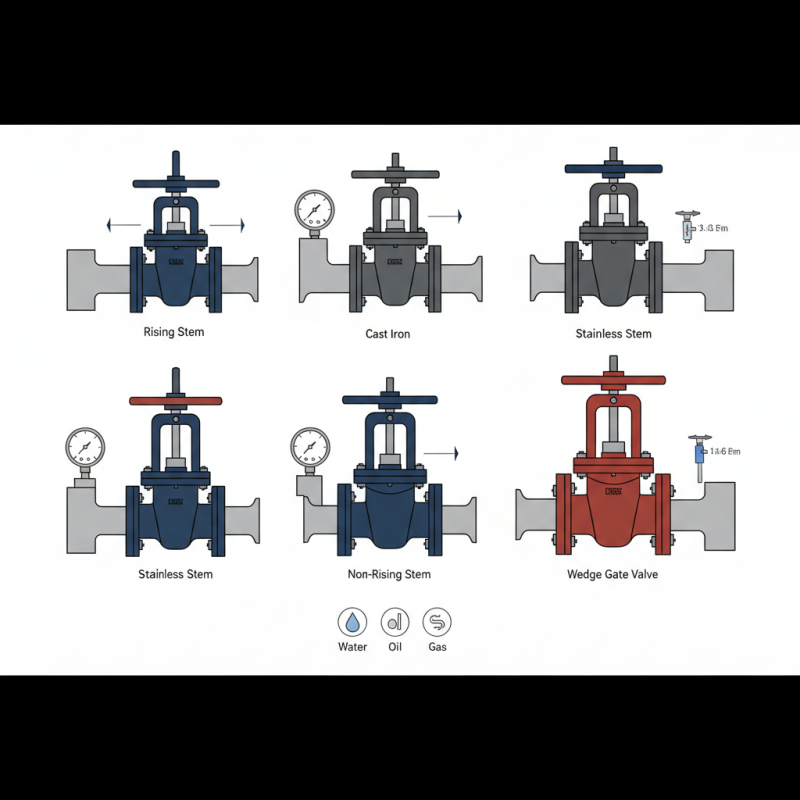
Understanding the Functionality of Gate Valves in Fluid Systems
Gate valves play a crucial role in fluid systems. They are designed to stop or allow the flow of liquids and gases. Understanding their functionality can help you choose the right valve for your application. A gate valve operates by lifting a gate out of the path of the fluid. This design ensures minimal flow resistance when fully open. However, it's important to note that gate valves are not ideal for throttling. They perform best in fully open or fully closed positions.
Choosing the right material is essential. Different fluids may corrode certain materials. For instance, a valve exposed to highly corrosive materials may require a specific alloy. Mechanical seals also matter. These seals can wear over time, leading to leaks. Regular inspection is necessary to avoid unexpected failures.
Installation location can affect performance too. A valve installed improperly might not operate as intended. Ensure easy access for maintenance. This will save time and cost in the long run. While gate valves are reliable, they are not infallible. Being aware of limitations can guide better decision-making in fluid systems.
Essential Tips for Choosing the Right Gate Valve for Your Needs
This chart highlights the key features of various types of gate valves based on their functionality and suitability for different fluid systems.
Identifying Key Specifications for Selecting Gate Valves
Choosing the right gate valve involves understanding key specifications. One important factor is size. Valves come in various diameters. The right size affects flow rate and pressure loss. According to industry reports, a mismatch can lead to significant inefficiencies. A valve not sized properly may cause leaks or system failures. These details can’t be ignored.
Another vital aspect is material. Common choices include brass, stainless steel, and PVC. Each material has strengths and weaknesses. For instance, brass resists corrosion better, but it’s not ideal for harsh chemicals. A survey indicated that nearly 40% of failures come from using inappropriate materials. Reviewing the requirements of your application is essential.
Pressure rating is also crucial. Valves are rated for different pressure levels. Exceeding these ratings can cause catastrophic failures. Many engineers recommend using a safety margin. However, sometimes this is overlooked. Balancing pressure needs and safety is not straightforward. Proper research is essential to avoid costly mistakes.
Evaluating Material Options for Your Gate Valve Needs
When selecting a gate valve, material choice critically impacts performance. Common materials include brass, stainless steel, cast iron, and PVC. Each material has unique properties, influencing durability, flow rate, and corrosion resistance. For instance, stainless steel offers great strength and resistance to rust. However, it can be more expensive than other materials.
Brass is another option, known for its excellent mechanical properties. It offers good corrosion resistance and is less costly. However, attention is needed as it may develop dezincification in harsh environments.
Cast iron, on the other hand, is robust and suitable for heavy-duty applications, but it is prone to rust if not properly maintained. Finally, PVC is lightweight and resistant to most chemicals, but may not withstand high temperatures or pressures well.
Consider the specific application when evaluating these materials. Is it exposed to chemicals? Will it face high temperatures? Reflecting on these questions can help guide your decision. Material evaluation is not just about specifications; it's a balance of needs and potential failures. Aim for a material that fits your environment and operational demands.
Assessing Size and Pressure Ratings for Optimal Performance
Choosing the right gate valve requires careful assessment of size and pressure ratings. Industry reports suggest that over 50% of valve failures stem from improper sizing. An incorrect size can lead to leakage and pressure loss, which is costly for any system.
When evaluating size, consider the pipe diameter. A valve that is too small restricts flow, while one that is too large can create turbulence. For example, a 4-inch valve on a 6-inch line may cause significant flow disruptions. Pressure ratings are equally vital. A valve must withstand the maximum pressure of your system. The American Society of Mechanical Engineers (ASME) recommends choosing a valve that exceeds your operating pressure by at least 25%.
Another point often overlooked is the medium flowing through the valve. Different materials withstand varying pressures and temperatures. A valve rated for high-pressure steam could fail in a corrosive chemical environment. It's crucial to match your valve’s specifications with the fluid characteristics to ensure longevity and performance. These parameters can drastically affect operational efficiency and safety.
Considering Environmental Factors in Gate Valve Selection
When selecting a gate valve, environmental factors play a crucial role. Consider the surrounding conditions where the valve will be installed. For instance, extreme temperatures can affect valve performance. According to industry reports, nearly 30% of valve failures stem from environmental stressors.
Tip 1: Assess the temperature and pressure ranges of your application. Ensuring that your valve is rated for these conditions can prevent unexpected failures.
Corrosion resistance is another vital factor. Some environments expose valves to harsh chemicals or moisture. A study indicated that improper material selection can lead to a 50% increase in maintenance costs within five years.
Tip 2: Choose materials based on the environment. Stainless steel or specialized alloys might be necessary to enhance durability.
Another aspect to consider is the installation location. Valves in remote or harsh environments may require extra protection. Regular maintenance becomes more challenging in these cases.
Tip 3: Ensure easy access for upkeep. This can save time and reduce long-term costs. By factoring in these elements, you can make a more informed choice and avoid many common pitfalls.