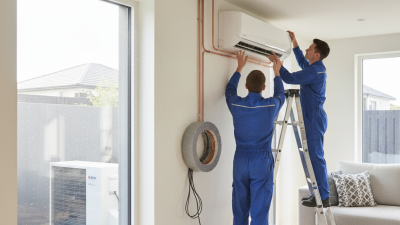
Top 10 Tips for Domestic Air Conditioning Installation Efficiency

Proper domestic air conditioning installation is crucial for optimal performance and comfort in any home. When installing a new air conditioning system, efficiency should be at the forefront of every homeowner's mind. The right approach can lead to significant energy savings and a more pleasant indoor environment.

It is essential to consider aspects like the size of the unit, ductwork quality, and placement. A well-placed unit can enhance airflow and cooling. However, many overlook these details, leading to inefficient systems. Simple mistakes can contribute to higher energy bills and inconsistent temperatures.

In the following tips, we will explore how to tackle common pitfalls in domestic air conditioning installation. By focusing on these strategies, homeowners can ensure their systems run smoothly and effectively. Ultimately, this leads to a comfortable living space and reduced costs.
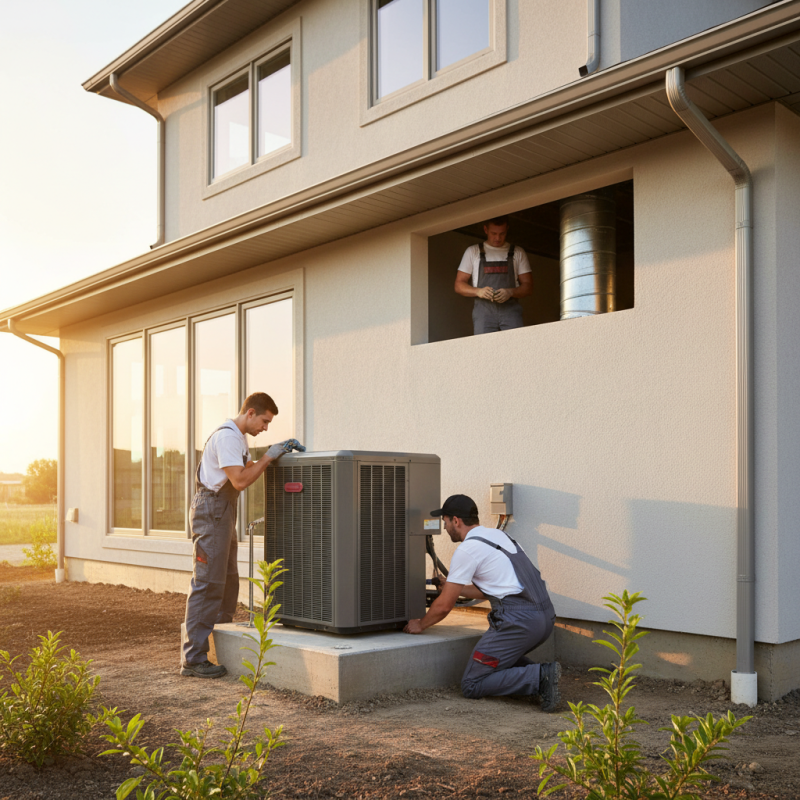
Top 10 Tips for Domestic Air Conditioning Installation Efficiency

Understanding the Importance of Proper Air Conditioning Installation

Proper air conditioning installation is crucial for optimal performance. When installed correctly, air conditioners work more efficiently. This can lead to lower energy bills and a more comfortable home. Poor installation, however, can cause various issues. A unit may cool unevenly or use excessive energy. Many homeowners overlook these aspects, resulting in wasted resources.

The placement of the unit matters greatly. Installing it in a shaded area can enhance its efficiency. Regular maintenance is also essential but often neglected. Homeowners might forget to clean filters or check for leaks. Such oversights can drastically impact a system's lifespan. It’s disappointing how easily these mistakes happen.

Understanding your home’s layout is vital. Some areas may trap heat more than others. A professional assessment can provide insights into your specific needs. Homeowners should reflect on their knowledge. Investing time in learning about air conditioning can pay off. It ensures a well-functioning system and long-term satisfaction.
Selecting the Right Location for Air Conditioning Units

Choosing the right location for air conditioning units is crucial for efficiency. An ideal spot maximizes airflow and minimizes obstructions. Consider placing units on the north or east side of your home. This placement helps avoid direct sunlight, reducing unnecessary strain on the system. Ensure the unit is leveled properly to prevent water pooling and inefficient operation.


Proximity to shade is another factor. Trees or buildings can provide a cool refuge for the unit. Yet, be careful. Overgrown branches may block airflow. That can cause the unit to work harder and consume more energy. Regular maintenance is essential to address such issues, but it can often be overlooked.


Additionally, think about internal air distribution. Positioning units near open spaces can enhance airflow throughout rooms. However, avoid placing them too close to obstacles like furniture. This can lead to hot spots in your home. Reflecting on these details can lead to better choices during installation. Ultimately, small modifications can significantly impact performance.

Choosing the Right Size and Capacity for Your Air Conditioner

When choosing an air conditioner, size and capacity are key factors. An undersized unit struggles to cool effectively. An oversized unit may cool too quickly, causing humidity issues. To achieve comfort, accurate sizing is crucial.

Measure your space. Square footage informs the necessary capacity. Use a BTU calculator for better precision. Don't forget about ceiling height and window placements. Also, consider insulation quality in your home. Each element affects overall efficiency.

Evaluate your needs. Lifestyle, climate, and room usage impact capacity selection. Larger families may require more cooling power. Spaces with direct sunlight might need adjustments. Consult with an HVAC professional if unsure. They can guide you toward the right choice.

Avoid common mistakes. Don’t skip proper installation. A poorly installed air conditioner leads to inefficiency. Ensure ducts are sealed and airflow is optimized. Small details matter in the long run. Regular maintenance also prolongs lifespan and efficiency.

Air Conditioner Size and Capacity Analysis

Ensuring Efficient Ductwork Installation Techniques

Ductwork installation is critical for air conditioning efficiency. Poor ductwork can lead to energy losses of up to 30%, according to the Department of Energy. This loss can significantly increase utility bills and reduce comfort levels indoors. Proper installation techniques can mitigate these issues.

Using the right materials is essential. Choose insulated ducts to prevent thermal loss. Many installers overlook the importance of sealing joints effectively. Leaky ducts can draw in unwanted air, leading to inefficiencies. The right airtight seal can improve system performance by more than 20%.

Consider proper duct sizing as well. Oversized ducts can cause uneven airflow, while undersized ducts can restrict it. Both scenarios lead to inefficiencies. According to an ASHRAE report, achieving the correct duct sizing enhances system efficiency by 10-15%. In the quest for efficiency, even minor installation flaws can have noticeable impacts. Reflecting on these aspects can lead to better practices and improved results.

Top 10 Tips for Domestic Air Conditioning Installation Efficiency - Ensuring Efficient Ductwork Installation Techniques

Tip Number Tip Description Expected Efficiency Gain (%) Implementation Difficulty (1-5)
1 Choose the right size system 20% 3
2 Seal ductwork properly 25% 4
3 Insulate ducts thoroughly 15% 3
4 Use high-quality materials 10% 4
5 Optimize airflow design 30% 5
6 Schedule regular maintenance 5% 2
7 Select energy-efficient models 40% 3
8 Ensure proper refrigerant levels 20% 3
9 Install programmable thermostats 15% 2
10 Educate homeowners on usage 10% 1

Regular Maintenance Tips for Optimizing Air Conditioning Performance

Top 10 Tips for Domestic Air Conditioning Installation Efficiency

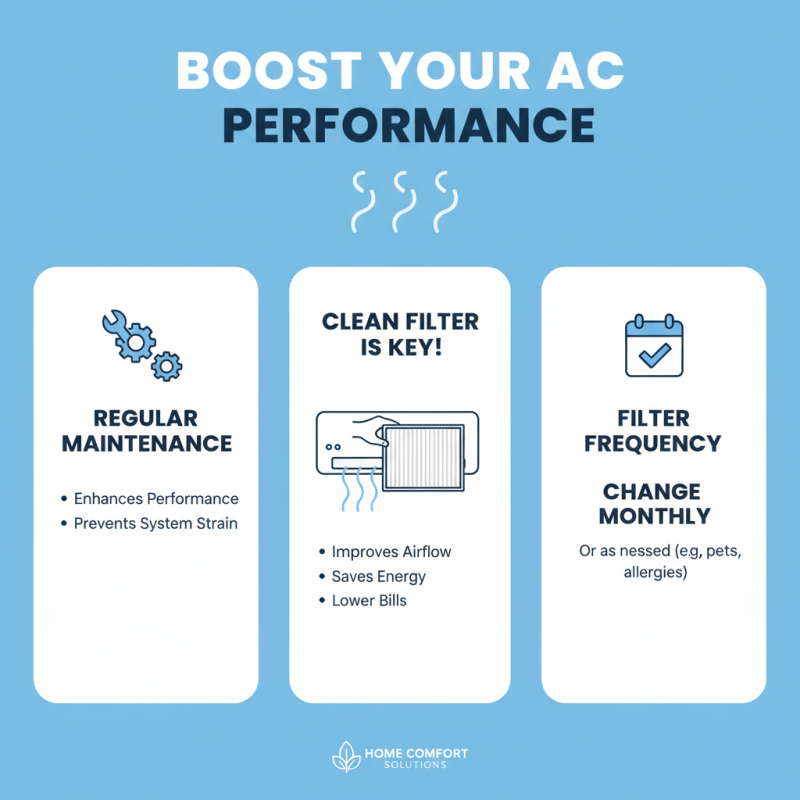
Regular maintenance of your air conditioning system can greatly enhance performance. A clean filter is essential. It helps air flow smoothly and prevents strain on the unit. Change filters every month or as needed. Dirty filters make the system work harder, leading to higher energy bills.

Another crucial tip is to check the outdoor unit. Ensure it's clear of debris, leaves, and dirt. An obstructed unit can hinder airflow and impact efficiency. This oversight is common but can lead to costly repairs. Once or twice each season, take a moment to inspect it.

Don’t forget to schedule a professional tune-up annually. This can catch issues before they become major problems. Many homeowners skip this, thinking it’s unnecessary. However, regular inspections can prolong the life of your system. Investing time now can save you money later. Each small effort counts towards optimal performance.