China’s air-conditioning market is vast, competitive, and increasingly shaped by efficiency standards. This makes choosing the top 10 aircon systems more complex than comparing cooling capacity alone.
The International Energy Agency’s The Future of Cooling report identifies air conditioning as a major driver of global electricity demand. It also warns that cooling demand could triple by 2050 without stronger efficiency measures. China matters greatly in this shift. The country is both a leading manufacturing base and one of the world’s largest cooling markets.
Recent data from ChinaIOL and AVC retail-monitoring reports show strong consumer interest in inverter technology, smart controls, energy-saving performance, and multi-split solutions. Meanwhile, China’s national energy-efficiency labeling system helps buyers compare equipment more consistently. The China Refrigeration and Air-Conditioning Industry Association also emphasizes low-carbon refrigerants, system reliability, and improved lifecycle performance.
This guide evaluates ten widely recognized aircon systems available in China. The review considers cooling stability, seasonal energy efficiency, noise, intelligent controls, installation support, maintenance, and suitability for different buildings. Residential rooms, office floors, retail spaces, and high-humidity regions require different solutions.
Not every expensive model is better.
A premium wall-mounted unit may perform well in a small bedroom, while a variable refrigerant flow system suits a hotel or office. Brand reputation also matters, but local service quality can change the real ownership experience. A quiet outdoor unit, reliable drainage, and fast parts availability often matter more than impressive advertising.
No ranking is perfectly universal. That limitation matters. Prices, regional availability, and installation conditions can alter the result. Therefore, this comparison combines published industry evidence with practical performance factors, helping readers identify the most suitable aircon systems for China’s diverse climate and building needs.
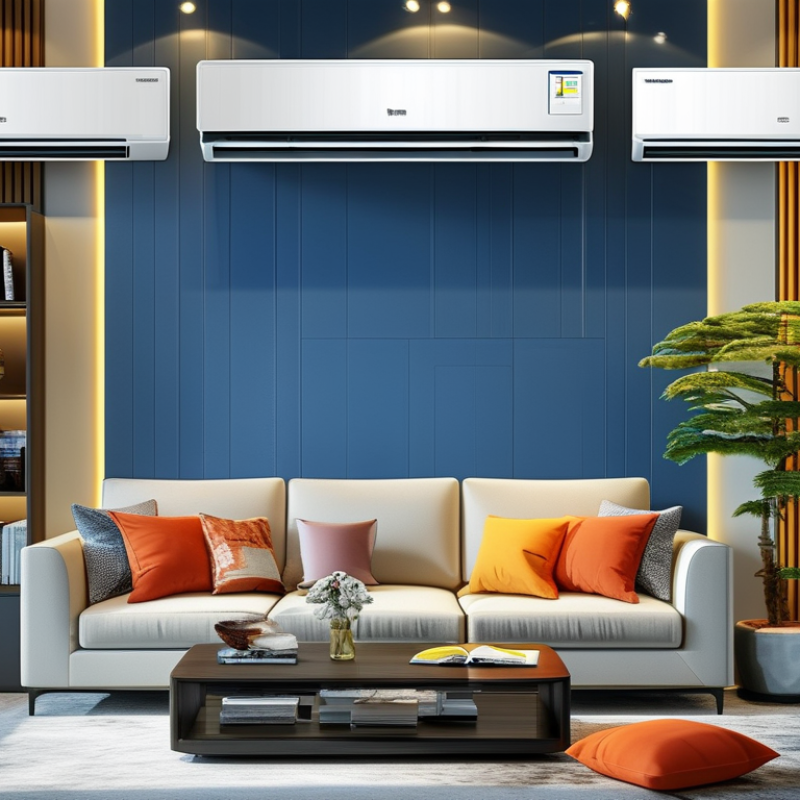
In China, aircon systems are judged by more than cooling speed. A strong evaluation begins with local climate and building conditions. A system tested in humid Guangzhou may perform differently in dry, northern regions. Reviewers measure cooling capacity, energy efficiency, airflow, noise, and temperature stability. They also check whether the unit maintains comfort after several hours, not only during a short showroom test.
Real experience matters. Technicians inspect pipe length, drainage, insulation, and outdoor-unit ventilation. Poor installation can reduce efficiency and cause water leaks. It can also create uneven cooling between rooms. Reliable assessments use certified laboratories, manufacturer data, field measurements, and service records. National testing methods provide a useful baseline, but household electricity bills reveal another truth. A lower purchase price may lead to higher operating costs over several summers.
Comfort needs closer attention. A quiet bedroom system should avoid sharp airflow and nighttime vibration. Offices need stable temperature control, simple maintenance, and fast fault diagnosis. Evaluators also examine filter access, spare-part availability, warranty clarity, and technician coverage across cities. No score is perfect. I have seen efficient systems disappoint when installers ignored room orientation or ceiling height. This weakness deserves attention. A practical top-ten list should therefore compare measured performance, installation quality, long-term reliability, and user experience under similar conditions. Temperature numbers alone are not enough.
China’s air-conditioning market serves compact apartments, offices, factories, hotels, and high-humidity coastal homes. A useful top-ten list should compare system purpose, not only cooling capacity.
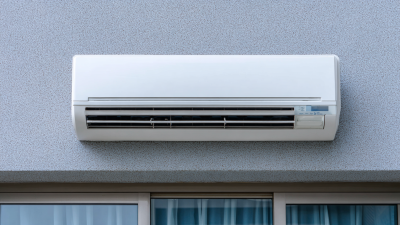
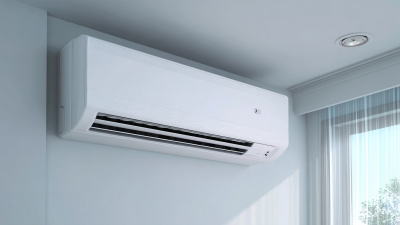
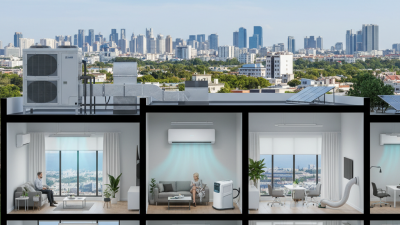
Wall-mounted split systems offer affordable room control and simple maintenance. Multi-split systems connect several indoor units to one outdoor unit, saving balcony space. Variable refrigerant flow systems provide precise zoning for offices and hotels. Ducted split systems hide equipment above ceilings and distribute air quietly. Cassette systems spread air in four directions, making them suitable for open commercial rooms.
Floor-standing units deliver strong airflow for large living areas and small halls. Packaged rooftop systems combine major components in one cabinet, reducing indoor installation work. Precision cooling systems protect server rooms through stable temperature and humidity control. Hybrid evaporative systems can reduce energy use in dry regions, although performance drops during humid weather. Air-to-water heat pump systems support cooling, heating, and sometimes domestic hot water through hydronic circuits.
Field checks should examine seasonal efficiency, noise, drainage, filtration, and service access. A high energy label cannot compensate for poor installation. Pipe length, insulation, refrigerant charging, and airflow balancing matter greatly. Local climate also changes the ranking. Coastal salt air demands stronger corrosion protection, while northern winters require dependable heating operation. Some evaluations overvalue smart controls and overlook cleaning access. That is a weakness worth admitting. A practical selection matches room use, electricity limits, maintenance skills, and future expansion plans.verter
This chart compares ten widely used air-conditioning system configurations in China. Each value represents whether a feature is commonly available in the base system category: 1 means commonly supported and 0 means not normally included. Actual availability depends on the selected model, project design, and installation configuration.
China’s top ten aircon system formats include wall-mounted splits, floor-standing units, multi-splits, mini-VRF systems, full VRF networks, ducted splits, concealed ducts, ceiling cassettes, rooftop packages, and air-source heat-pump chillers. Their strengths differ sharply. Wall-mounted systems suit small rooms, while VRF and chillers serve offices, hotels, and retail spaces. Cooling capacity must match room size, insulation, sunlight, and occupancy. Oversizing feels powerful, but it can cause short cycling and uneven humidity.
Energy efficiency deserves closer attention than peak cooling output. China’s current energy-label framework uses APF, which reflects seasonal performance rather than one test condition. The International Energy Agency projects global space-cooling electricity demand could more than triple by 2050 without stronger efficiency measures. In practice, inverter compressors, variable-speed fans, heat exchangers, and accurate controls reduce wasted operation. Smart functions also matter. Sensors can detect occupancy, adjust airflow, report filter status, and identify abnormal energy use. Yet app control alone is not intelligence. Poor commissioning can cancel those benefits.
Tips: Compare APF, rated capacity, minimum modulation, noise, and standby power. Check whether the installer measures room load. A 30-square-metre room may need different capacity in a sunny top-floor apartment. Energy savings are often promised too confidently. China’s national standards and IEA reports provide useful benchmarks, but actual results depend on maintenance, weather, and user habits. Clean filters monthly during heavy summer use, and review electricity data after installation.
What Are the Top 10 Aircon Systems in China?
For homes, the strongest choices are wall-mounted split systems, multi-split systems, ducted split systems, air-source heat pumps, and compact floor-standing units. Wall-mounted systems suit bedrooms and small apartments. Multi-split designs serve several rooms with one outdoor unit. Ducted systems hide equipment above ceilings, but installation access matters. Air-source heat pumps provide cooling and heating, especially in northern provinces. Compact floor units work well in living rooms, though they need clear airflow.
Offices usually benefit from variable refrigerant flow systems, rooftop packaged units, modular chillers, and air-handling units paired with chilled water. These systems support zoning and changing occupancy. For factories, data centers, and warehouses, the leading options include screw chillers, centrifugal chillers, precision cooling systems, evaporative hybrid systems, and industrial air handlers. Each choice depends on heat load, dust, humidity, maintenance access, and operating hours.
The International Energy Agency reports that cooling already uses about 10% of global electricity. UNEP’s 2023 buildings report also links buildings with roughly 30% of global energy demand. These figures make efficiency more than a marketing claim. In practice, inverter control, variable-speed pumps, heat recovery, and accurate commissioning can reduce waste. Yet no ranking stays perfect. A highly efficient chiller may be excessive for a small office, while a low-cost split system may struggle in a crowded workshop. Proper load calculations remain essential.
| Rank | Aircon System | Typical Cooling Capacity | Best Applications | Key Features and Strengths | Typical Energy Profile | Installation and Maintenance Considerations | Main Limitations |
|---|---|---|---|---|---|---|---|
| 1 | Inverter Wall-Mounted Split System | 2.6–7.1 kW per indoor unit | Apartments Bedrooms Small offices Retail rooms | Individual room control, relatively low purchase cost, quiet operation, fast installation, and strong availability of spare parts. | Variable-speed compressors reduce cycling losses and normally use less electricity than fixed-speed units under part-load conditions. | Requires a suitable outdoor location, correctly sized refrigerant piping, condensate drainage, and regular filter and coil cleaning. | Each indoor unit serves a limited area; multiple rooms require several outdoor units unless a multi-split design is used. |
| 2 | Multi-Split Inverter System | 4–18 kW total outdoor capacity | Large homes Townhouses Small offices Mixed-use spaces | Several indoor units connect to one outdoor unit, providing room-by-room temperature control while reducing outdoor-unit clutter. | Inverter modulation improves part-load efficiency; actual performance depends on connected indoor-unit diversity and operating conditions. | Refrigerant pipe lengths, height differences, branch connections, and commissioning must follow the equipment design requirements. | A fault in the outdoor unit can affect multiple rooms, and system expansion is more restricted than with a modular split arrangement. |
| 3 | Variable Refrigerant Flow (VRF) System | About 20–200 kW per modular system | Office buildings Hotels Schools High-rise buildings | Long piping capability, many indoor-unit styles, centralized monitoring, zoning, and flexible floor-by-floor control. | Variable refrigerant flow and inverter compressors are well suited to buildings with changing room loads and diverse occupancy schedules. | Requires detailed design, refrigerant safety planning, qualified commissioning, controls integration, and scheduled service. | Higher design and installation complexity; it may be less economical than split systems for small or simple buildings. |
| 4 | Ducted Split Air-Conditioning System | 7–35 kW per air-handling unit | Villas Open-plan offices Restaurants Retail areas | Concealed equipment, more even air distribution, cleaner interior appearance, and the ability to condition several connected spaces. | Inverter versions can provide efficient part-load operation; duct insulation and correct airflow balancing strongly affect energy use. | Needs adequate ceiling or service-space height, properly sealed and insulated ducts, access panels, and condensate drainage. | Temperature control is less independent between rooms unless multiple zones and motorized dampers are added. |
| 5 | Four-Way Ceiling Cassette System | 5–16 kW per indoor unit | Offices Meeting rooms Shops Restaurants | Distributes air in multiple directions, preserves wall space, and suits modular ceilings and medium-sized commercial rooms. | Inverter operation and fan-speed control can reduce energy consumption when the room load varies. | Requires a suspended ceiling, service clearance, condensate pump or gravity drainage, and periodic cleaning of the decorative panel and filter. | Not ideal for very low ceilings, small irregular rooms, or spaces where drafts could affect occupants or products. |
| 6 | Floor-Standing Cabinet Split System | 7–20 kW per indoor unit | Showrooms Large living rooms Training rooms Small halls | High air volume, simple access for servicing, strong cooling for open areas, and no suspended ceiling requirement. | Efficiency varies widely by model; inverter versions generally perform better during long periods of partial-load operation. | Needs clear floor space, stable placement, adequate return-air clearance, and correct condensate and outdoor-unit installation. | Uses valuable floor area and may create noticeable air movement or temperature stratification in tall spaces. |
| 7 | Packaged Rooftop Unit | 20–350 kW per unit | Factories Warehouses Supermarkets Large retail buildings | Cooling, fans, filters, and optional outdoor-air components are integrated in one cabinet, simplifying large open-area layouts. | Efficiency depends on compressor type, ventilation rate, outdoor temperature, and the use of economizer or heat-recovery functions. | Requires a structurally suitable roof or equipment platform, weather protection, lifting access, ductwork, and safe service access. | Less suitable for buildings requiring many independently controlled rooms; roof exposure can increase maintenance and noise concerns. |
| 8 | Air-Cooled Chiller with AHUs or Fan-Coil Units | 100–1,500 kW per chiller plant | Hospitals Office complexes Factories Commercial buildings | Centralized chilled-water production, good zoning flexibility, easier refrigerant containment within plant equipment, and scalable plant-room layouts. | Pumping energy, fan energy, chilled-water temperature, load profile, and plant sequencing significantly affect total system efficiency. | Needs chilled-water piping, pumps, expansion and treatment equipment, insulation, water balancing, and regular coil and filter maintenance. | Higher initial cost and greater space requirements than direct-expansion systems; water systems need leakage and water-quality management. |
| 9 | Water-Cooled Chiller Plant | 300–5,000+ kW per plant | Large commercial complexes Industrial facilities Data centers District cooling | Stable heat rejection, high capacity, strong performance in large continuous-load applications, and compact central chiller-room arrangements. | Can achieve high operating efficiency at scale, especially with optimized cooling-tower control, variable-flow pumping, and staged chillers. | Requires cooling towers, condenser-water pumps, water treatment, water-quality monitoring, and specialist plant operation. | Higher water consumption and maintenance requirements; unsuitable where water availability, Legionella control, or tower placement is constrained. |
| 10 | Precision DX Cooling System | 5–150 kW per unit | Server rooms Telecom rooms Laboratories Control rooms | Designed for continuous operation, close temperature and humidity control, high sensible-cooling ratios, and dependable equipment-room airflow. | Efficiency is optimized for continuous sensible loads; free cooling, variable-speed fans, and hot-aisle or cold-aisle management can reduce consumption. | Requires redundant power and cooling planning where uptime is critical, plus monitoring of filters, condensate, alarms, airflow, and refrigerant circuits. | Usually costs more than comfort-cooling equipment and is unnecessary for ordinary rooms with intermittent, low-density heat loads. |
What Are the Top 10 Aircon Systems in China?
Choosing among China’s leading aircon systems requires more than comparing cooling capacity. Split systems suit bedrooms and small offices, while multi-split units serve several rooms with one outdoor unit. VRF systems work well in hotels, towers, and large commercial spaces. Ducted, cassette, floor-standing, portable, and window systems offer different installation options. Heat-pump systems can provide heating during colder months. Inverter technology usually improves comfort and reduces repeated power spikes.
Match the system to the room size, insulation, sunlight, and local climate. A sunny apartment in Guangzhou needs different planning from a dry home in Beijing. Check the rated cooling capacity, APF energy value, noise level, drainage design, and filter access. During site inspections, installers should measure the room rather than guess from floor area. I once underestimated afternoon heat from large windows; that mistake made the selected capacity feel weak. Oversizing is not always better, because short cycling can increase humidity and discomfort.
Tips: Ask for a written load calculation and installation plan. Confirm the 220V, 50Hz electrical requirements. Inspect copper pipe insulation and drainage slopes. Choose service coverage that includes cleaning and repairs. Keep the outdoor unit shaded, but never block airflow. If the quotation is unusually cheap, question the materials, warranty, and commissioning process.