Top 10 Single Garden Gate Designs for Global Buyers?
In the world of garden aesthetics, a single garden gate serves as a crucial focal point. Its design can enhance the garden's overall charm. For global buyers, choosing the right gate can be overwhelming. Styles vary across regions, each reflecting local culture and preferences.
When considering a single garden gate, functionality is key. It should provide security while complementing the garden's style. Materials like wood, metal, or vinyl each offer unique benefits. However, quality often varies, making research essential. Buyers should prioritize durability and resistance to weather elements. This approach ensures long-term satisfaction with their choice.
Exploring various designs can inspire creativity. From ornate wrought iron to minimalist wooden frames, options abound. Yet, identifying what suits one’s taste can be a challenge. Each style tells a story and invites reflection on personal preferences. Overall, a well-chosen single garden gate can transform a simple entrance into a statement piece.
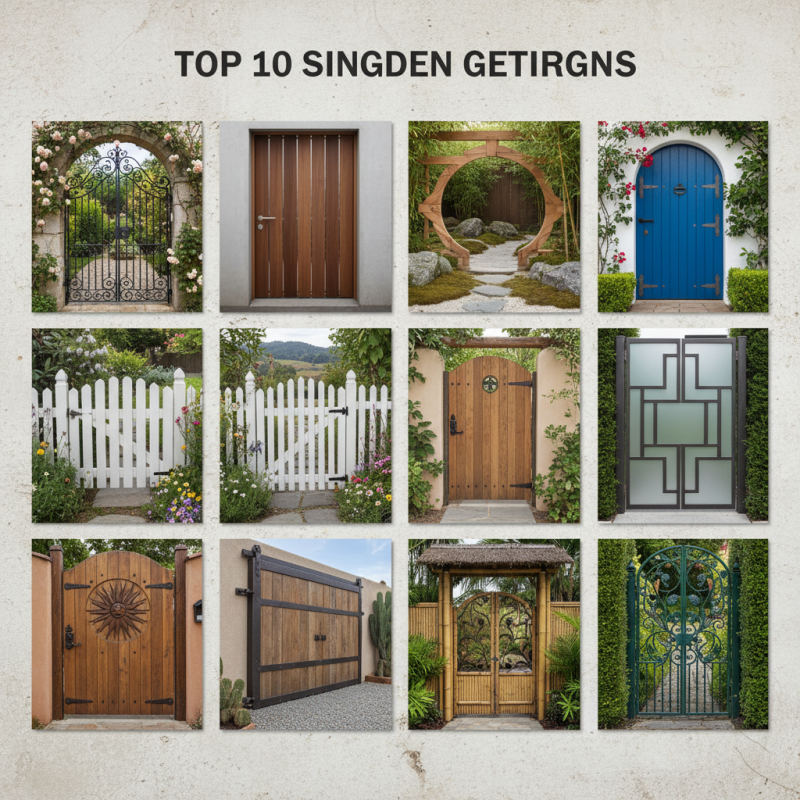
Top 10 Designs for Single Garden Gates: A Global Perspective
When selecting a single garden gate, aesthetics and functionality matter. Various designs reflect individual tastes and regional influences. For example, wrought iron gates are popular in Europe, known for their durability and intricate patterns. Wooden gates offer warmth and a rustic charm, prevalent in rural settings.
Consider the cultural significance of designs. In Japan, minimalist gates emphasize simplicity and natural beauty. In contrast, Mediterranean styles feature vibrant colors and decorative tiles. Each design tells a story about its origin.
However, some designs may not suit all climates or landscapes. Proper sizing is critical too. A gate too large can overwhelm a small garden, while a gate too small may get lost in an expansive yard.
Installation and maintenance are often overlooked. Some materials require regular upkeep, while others can endure harsh weather. Homeowners should also think about security features. A beautiful design is not always secure. Finding a balance between style and safety is essential for a functional garden gate.
Considerations for Choosing the Right Single Garden Gate Design
Choosing the right single garden gate design is crucial for enhancing your home's curb appeal. According to recent industry reports, 74% of buyers value aesthetics and functionality in outdoor structures, underscoring the importance of investing in a well-designed gate. When selecting a gate, consider the material. Wood offers a classic charm, while metal provides durability. Customization options can elevate the design further.
Safety features are also essential. An estimated 35% of homeowners prioritize security in their outdoor spaces. Look for gates with reliable locking mechanisms. Additionally, the gate’s width and height must align with your garden's layout. A poorly sized gate can detract from your garden's beauty.
Reflect on maintenance needs as well. Wooden gates require regular sealing, while metal may need rust protection. Decide what fits your lifestyle best. Balancing aesthetics, safety, and maintenance will lead to a more satisfying purchase. Remember, investing in the right gate can improve your property’s value significantly.
Materials and Styles: Exploring Global Trends in Garden Gates
When designing a garden gate, materials and styles greatly influence its appeal. Wood remains a popular choice globally. It provides warmth and natural beauty. However, wood requires regular maintenance. Without proper care, it can warp or rot. Metal gates, on the other hand, are durable and strong. They resist weather damage but may lack the charm of wood.
Another interesting trend is the use of wrought iron. Wrought iron combines elegance with sturdiness. It often features intricate designs that can enhance the overall garden aesthetic. However, such gates may be heavy and costlier to install. Meanwhile, vinyl gates are gaining traction. They mimic wood's appearance without the upkeep. Still, their environmental impact raises concerns.
Color also plays a crucial role in garden gate design. Classic greens and browns blend well with nature. Bright colors can make a bold statement. However, choosing a vibrant hue might not suit every garden style. Designers need to weigh these factors carefully. The choices are vast, and each material offers unique advantages and disadvantages. It's essential to reflect on these elements before making a decision.
Cultural Influences on Garden Gate Designs Worldwide
Garden gates are unique expressions of culture and tradition. In Japan, gates often reflect simplicity and harmony. The “Torii” gate symbolizes the entrance to sacred spaces, embodying a spiritual essence. Their minimalistic design creates a sense of tranquility and balance.
In contrast, Mediterranean designs showcase vibrant colors and intricate details. These gates often feature ornate ironwork with floral patterns. Their craftsmanship tells stories of the region's rich history. It's interesting how these designs can shift based on local materials and climate. A gate might look sturdy in one culture but delicate and whimsical in another.
Cultural influences shape perceptions of safety and welcome. Traditional designs can create barriers or invite interaction. For example, in parts of Africa, gates are often communal. They facilitate a sense of belonging among neighbors. Reflecting on these differences improves understanding of global aesthetics. Gate designs, while functional, embody deeper meanings rooted in cultural narratives.
Top 10 Single Garden Gate Designs for Global Buyers
Practical Tips for Installation and Maintenance of Garden Gates
When considering garden gates, proper installation and maintenance are crucial. According to a survey by the American Society of Landscape Architects, about 30% of homeowners face issues with their garden gates within the first year. The primary reasons are improper installation and neglecting maintenance.
Before installation, ensure you have the right measurements for your space. A typical garden gate should be about 4 to 6 feet wide. Utilize level tools to avoid future misalignment. Regular inspections can help catch issues early. Consider materials that are weather-resistant, like treated wood or metal.
A study by the National Gardening Association indicates that gates made from these materials last longer, averaging a lifespan of 15 years if properly cared for.
Maintenance involves simple steps. Regularly check hinges and locks to ensure smooth operation. Lubricate moving parts every few months. Clean the surface seasonally to prevent rust or decay. Reports show that homeowners who dedicate just 30 minutes a month to maintenance can significantly extend the life of their gates. Reflecting on these practices can lead to improved longevity and functionality for your garden gates.