Top 10 Types of Air Conditioning Systems You Should Consider

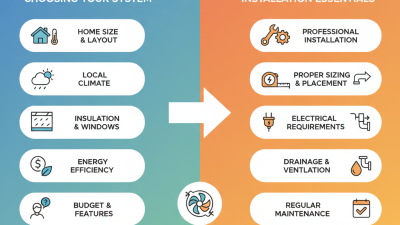
Choosing the right air conditioning system can be challenging. With so many options, how do you decide? The comfort of your home relies heavily on effective cooling. Various types of air conditioning systems cater to different needs.

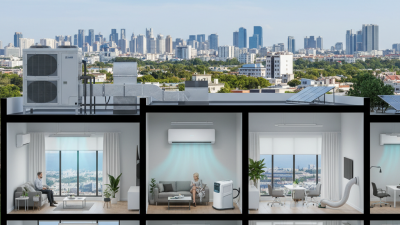
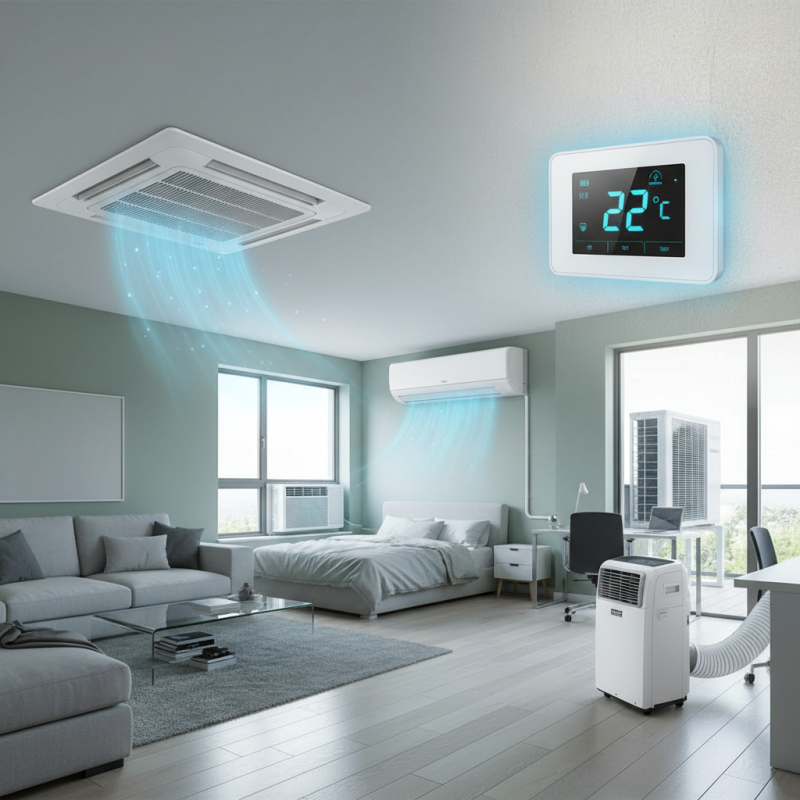
There are central units for large spaces and window units for small rooms. Ductless mini-splits offer flexibility where traditional ducts can't fit. Portable air conditioners provide temporary relief, while smart systems allow remote control. Each type has merits and drawbacks to consider.

Remember, the ideal system suits your specific requirements and budget. It’s an investment in comfort and efficiency. Consider energy usage and installation costs before making a decision. Air conditioning choices can significantly impact your quality of life.
Top 10 Types of Air Conditioning Systems You Should Consider

Types of Air Conditioning Systems: Overview of Basics and Features

When choosing an air conditioning system, understanding the basics is crucial. Each type has its features and benefits. According to the U.S. Department of Energy, there are several common systems. Central air systems are popular in larger homes. They distribute cool air through ductwork, ensuring even temperatures. However, they can lead to significant energy loss through ducts.

Ductless mini-splits are an effective alternative. They consist of an indoor and an outdoor unit. These systems offer flexibility and higher efficiency. A study from Energy Star noted that ductless systems can achieve 30% to 50% better efficiency than traditional systems. On the downside, installation can be more complex. The upfront costs may also be a concern for many homeowners.

Window units provide a simple solution for specific rooms. They are easy to install and affordable. Yet, their cooling capacity is limited. They may not adequately cool larger spaces. Portable air conditioners offer similar functionality but are less efficient. According to industry reports, many users find them noisy and cumbersome. Each type has pros and cons, and careful consideration is vital. Balancing comfort with efficiency is essential in making a decision.
Top 10 Types of Air Conditioning Systems You Should Consider

Central Air Conditioning: Efficient Cooling for Large Spaces and Homes

Central air conditioning is a popular choice for larger homes and commercial spaces. It uses a system of ducts to distribute cool air evenly throughout the building. This creates a comfortable atmosphere, especially during hot summer months. Many homeowners appreciate its ability to cool multiple rooms simultaneously.

However, central air systems require regular maintenance. Neglecting this can lead to inefficient cooling. Filters need frequent changing, and ducts should be cleaned to ensure airflow. Some people overlook these tasks, leading to higher energy bills and discomfort.

Installing a central air unit can be a significant investment. It's essential to consider if your space allows for ductwork installation. In some cases, it may not be feasible. These factors can lead to a frustrating home cooling experience if not carefully planned. Take time to weigh the pros and cons before deciding on this cooling solution.

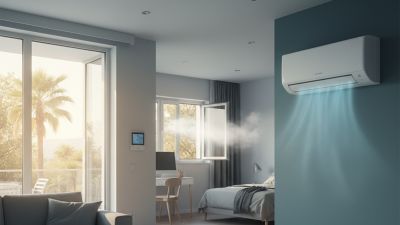
Ductless Mini-Split Systems: Flexibility and Zoning for Individual Rooms

Ductless mini-split systems are becoming increasingly popular. They offer flexibility and zoning for individual rooms, making them an appealing choice for many homeowners. According to a report from the U.S. Department of Energy, mini-split systems can provide up to 30% energy savings compared to traditional HVAC systems. This efficiency is a win for both comfort and cost.

These systems consist of an outdoor compressor and one or more indoor air-handling units. Each indoor unit can be controlled independently, which allows for precise temperature management in different rooms. A study showed that homes using ductless systems often experience improved indoor air quality. However, installation can be complex, and inadequate sizing may lead to inefficiency. Balancing the needs of different spaces remains a challenge.

While ductless mini-splits are advantageous, they are not perfect. Many people may find the upfront costs to be high. Additionally, some systems can produce noise, which may be bothersome in quiet environments. Proper maintenance is crucial for maximizing lifespan and efficiency. Homeowners must weigh the benefits against potential drawbacks when considering this option.

Window Units: Cost-Effective Solutions for Small Spaces

Top 10 Types of Air Conditioning Systems You Should Consider

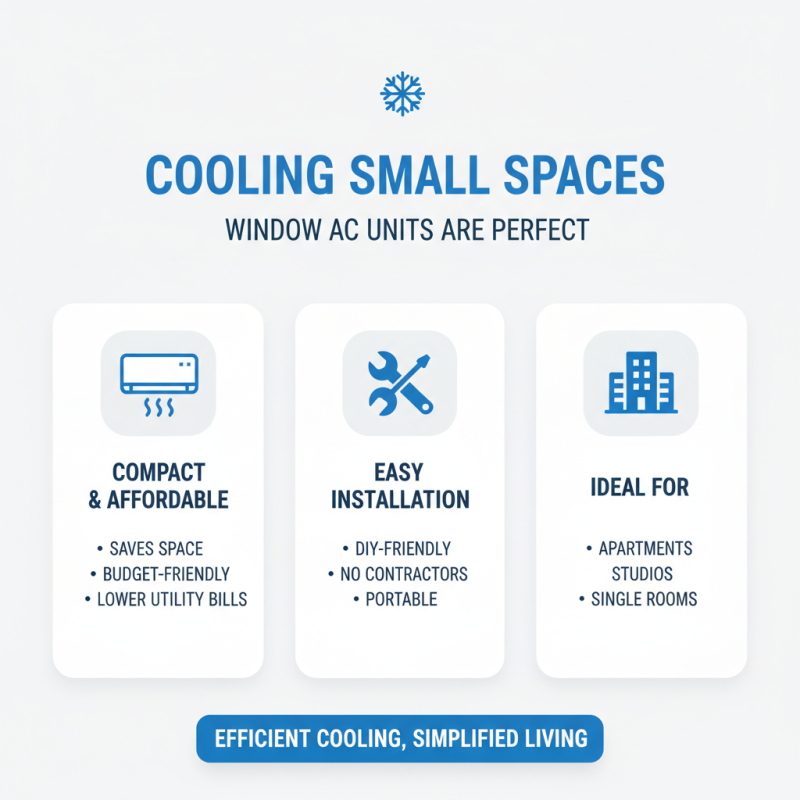
Window air conditioning units are ideal for small spaces. They are compact, affordable, and easy to install. Many apartments and studios benefit from these systems. A window unit cools a single room effectively, making it a popular choice.

When choosing a window unit, consider its BTU rating. A unit with too low of a rating won’t cool efficiently. Conversely, a unit that’s too powerful can create a cold, uncomfortable atmosphere. Each room's size and insulation affect the required cooling capacity.

Tip: Measure your window before purchasing. Ensure the unit fits snugly. A poorly fitted unit may let hot air in. Regular maintenance is crucial. Clean or replace the filters monthly. Dirty filters reduce efficiency and can lead to costly repairs. Make this part of your routine. It saves money and keeps the air fresh.

Smart Air Conditioners: Integration with Home Automation and Energy Savings

Top 10 Types of Air Conditioning Systems You Should Consider

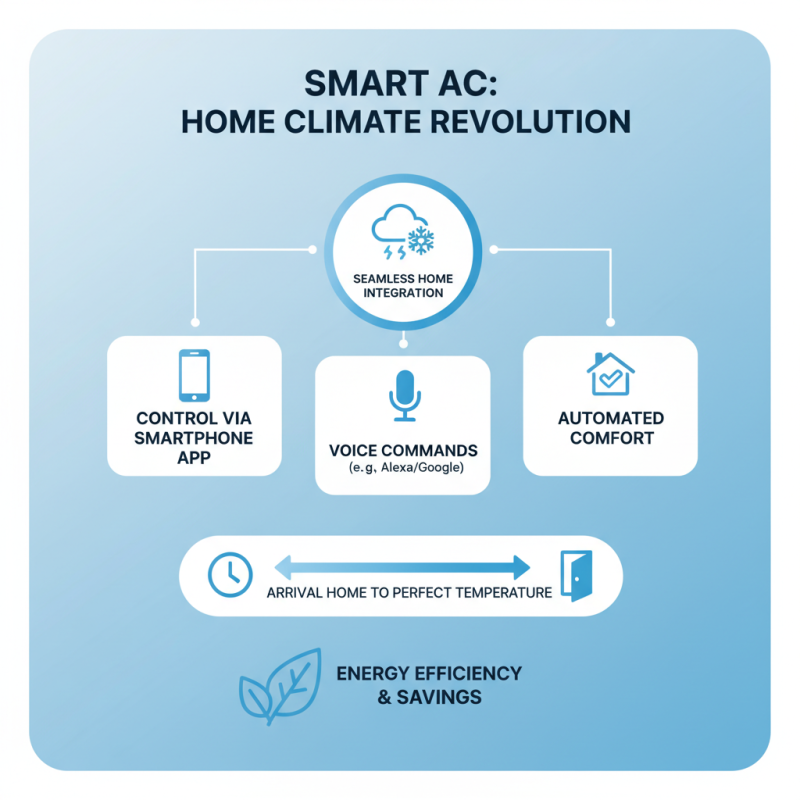
Smart air conditioners are revolutionizing the way we experience climate control at home. They can integrate seamlessly with home automation systems. This integration allows users to adjust settings using their smartphones or voice commands. Imagine arriving home to a perfectly cooled space without lifting a finger. Such convenience can be life-changing.

Energy savings is another key aspect of smart air conditioners. Many models are designed to learn your habits and preferences. They adjust cooling patterns accordingly, potentially reducing energy consumption. However, setting these systems up can be challenging. Sometimes, they may not respond as expected, leading to discomfort. Regular updates and troubleshooting are often necessary to maximize their efficiency.

Moreover, smart air conditioners can provide real-time energy usage data. This feature helps users monitor their consumption closely. Users may discover unexpected patterns that prompt reflection on their habits. While these technologies are advanced, they come with a learning curve. As we embrace them, we also face new challenges in maintaining comfort and efficiency.

Conclusion

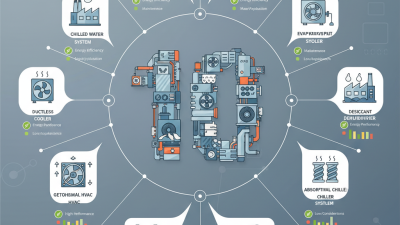
When selecting an air conditioning system, understanding the various types available is crucial for effective cooling solutions. The article outlines ten popular air conditioning systems, highlighting their unique features and suitability for different spaces. Central air conditioning systems provide efficient cooling for larger homes, while ductless mini-split systems offer flexibility and the ability to control temperatures in individual rooms. For those with limited space, window units present a budget-friendly option, and portable air conditioners cater to temporary cooling needs.

Moreover, smart air conditioners integrate seamlessly with home automation systems, allowing for enhanced energy savings and user convenience. This variety in air conditioning options ensures that home and office environments can stay comfortable regardless of their size or cooling requirements. By considering these types of air conditioning and their features, homeowners can make informed decisions that best fit their needs.