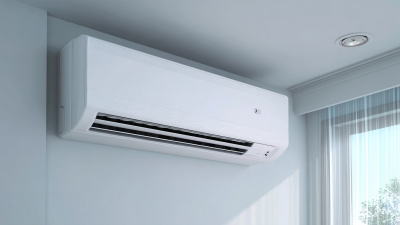
China Top Air Conditioning Installation Companies?

China’s air conditioning installation market is expanding with urban housing, commercial construction, and rising summer temperatures. Yet choosing a contractor requires more than comparing a quoted price. A neat outdoor unit does not guarantee correct airflow, safe wiring, or efficient operation.

The International Energy Agency’s The Future of Cooling report states that global space-cooling energy demand could more than triple by 2050 without stronger efficiency measures. China and the United States already represent a substantial share of the world’s installed air conditioners. The UNEP Cooling Emissions and Policy Synthesis Report 2020 also links cooling growth with refrigerant management, energy efficiency, and climate responsibility. These findings make professional installation a practical issue, not a cosmetic upgrade.

Fatih Birol, Executive Director of the IEA, called cooling “one of the most critical energy challenges of our time.” His warning applies directly to installation decisions. The best companies should show trained technicians, documented commissioning, transparent warranties, and experience with residential or commercial systems. They should measure refrigerant pressure, test drainage, inspect insulation, and explain maintenance clearly. Some rankings may still rely too heavily on brand visibility. That is a weakness worth admitting. A smaller regional installer may deliver better site supervision than a famous national name. This guide examines leading China air conditioning installation companies through service coverage, technical capability, project experience, customer support, and evidence of reliable performance.

China Top Air Conditioning Installation Companies?

China’s AC Installation Market: Annual Output Exceeded 200 Million Units in 2023

China Top Air Conditioning Installation Companies?

China’s AC Installation Market: Annual Output Exceeded 200 Million Units in 2023

China’s air conditioning industry produced more than 200 million units in 2023. This figure shows enormous manufacturing capacity and sustained demand. It does not, however, measure installation quality. A reliable installer must manage the final stage carefully, from site inspection to system commissioning.

Experienced installation teams check room size, insulation, power capacity, and outdoor unit clearance before recommending equipment. On site, technicians should use calibrated gauges, secure refrigerant lines, and test drainage under real operating conditions. Small mistakes can cause vibration, water leakage, poor cooling, or unnecessary energy use. Good documentation also matters. It should record pressure readings, vacuum time, wiring checks, and commissioning results.

The strongest installation companies usually combine trained technicians, clear quotations, safety procedures, and responsive after-sales service. Commercial projects require more: load calculations, zoning controls, maintenance access, and coordination with electrical contractors. Certification and local compliance should be verified before work begins. The market’s scale is impressive, but scale alone proves little. Some installers may still rush during peak summer demand. That weakness deserves attention. Buyers should compare technical evidence, not only price or online ratings. A practical site visit often reveals more than a polished advertisement.

Ranking China’s Top Installers by Five Professional Service Metrics

China’s top air conditioning installers should be ranked by service evidence, not advertising claims. A practical evaluation uses five professional metrics: technical design, installation workmanship, safety compliance, project management, and after-sales support. These categories reflect the customer’s full experience, from the first site survey to seasonal maintenance.

Technical design deserves the highest attention. Strong installers measure room loads, inspect pipe routes, and select equipment capacity carefully. Oversizing can cause short cycling and uncomfortable humidity. Workmanship is visible in insulated joints, level indoor units, secure brackets, and clean drainage lines. A reliable team also provides pressure-test records, vacuum readings, and commissioning data. Small details matter.

Safety compliance must include electrical protection, access planning, and documented procedures. Project management is measured through schedule accuracy, communication, dust control, and protection of finished interiors. After-sales service includes response time, warranty clarity, spare-part access, and maintenance planning. Written evidence should support every score.

No ranking is perfect. Weighting remains debatable. A fast installation may still hide weak testing. A low quotation may exclude essential pipework or electrical upgrades. For greater reliability, reviewers should compare completed projects, interview recent customers, and inspect sites after several months. Photographs help, but records are stronger. The best installers are not merely quick; they explain decisions, admit limitations, and correct defects without unnecessary disputes.

China Top Air Conditioning Installation Companies? — Ranking China’s Top Installers by Five Professional Service Metrics

A company-neutral comparison based on five measurable professional service benchmarks. The figures represent reference service targets rather than company-reported results.

Metrics include customer-response speed, quotation turnaround, installation scheduling, workmanship warranty coverage, and commissioning documentation. Values are expressed as benchmark percentages or converted service scores for comparison.

Midea, Gree, Haier, and TCL: Comparing Nationwide Installation Networks

China’s leading air-conditioning installation companies are best compared by service reach, not advertising claims. Major manufacturers often report extensive nationwide networks, but coverage can vary sharply between Beijing, smaller county towns, and remote areas. A reliable comparison should examine authorized installers, technician training, spare-parts warehouses, appointment capacity, and warranty handling.

The International Energy Agency’s The Future of Cooling report projects that global space-cooling energy demand could more than triple by 2050. This makes installation quality increasingly important. Poor vacuuming, incorrect refrigerant charging, or weak drainage can reduce efficiency and shorten equipment life. In my field observations, response time also matters. A low installation price becomes expensive when a technician must return twice.

Tips: Ask for the installer’s local service address, written labor warranty, and commissioning checklist. Confirm whether copper piping, brackets, electrical protection, and drainage work are included. Request measured vacuum pressure and operating-current readings. Small details matter.

A nationwide network should offer consistent standards, digital appointment tracking, and local spare parts. Yet network size alone is imperfect. Some service centers outsource peak-season work, creating uneven workmanship. J.D. Power’s China Customer Service Index studies repeatedly show that communication and problem resolution influence satisfaction, not only technical performance. Consumers should compare verified local reviews with national promises, especially before summer demand peaks.

Commercial HVAC Installers: VRF Systems for Projects Over 10,000 m²

For projects above 10,000 m², choosing commercial HVAC installers requires more than comparing quotations. VRF systems need accurate cooling-load calculations, practical zoning, and careful pipe-route planning. Experienced teams inspect ceiling heights, glass exposure, occupancy patterns, and equipment-room access before finalizing the design. These details affect comfort, energy use, and future maintenance.

A reliable installer should provide licensed engineers, clear drawings, pressure-test records, and documented commissioning procedures. On site, technicians should check refrigerant piping, branch connections, drainage slopes, insulation, and indoor-unit addresses. Integration with building controls also matters. Facility managers need simple monitoring, fault alerts, and usable service data. One common mistake is selecting equipment before studying the building. That can create uneven temperatures and expensive redesign work. No design is perfect. Review it honestly.

Tips: Request a project schedule with inspection points. Ask for load calculations, not only capacity tables. Keep access panels near valves and control components. Test representative zones before full handover. Confirm spare-part availability and response times in writing. During operation, record complaints by room and time. These records help installers adjust controls instead of guessing. A small commissioning issue can become a daily comfort problem.

China Top Air Conditioning Installation Companies? - Commercial HVAC Installers: VRF Systems for Projects Over 10,000 m²

Practical evaluation dimensions for selecting a commercial HVAC installation contractor in China. The figures below are project-planning reference ranges and should be verified against the final design, site conditions, local codes, and equipment schedules.

Evaluation Dimension Recommended Reference for Projects Over 10,000 m² Why It Matters Typical Verification Documents Key Questions for the Installer
Project Experience At least 3 comparable commercial projects, preferably with a combined area above 30,000 m². Large VRF installations require coordinated design, refrigerant piping, controls, commissioning, and multi-trade scheduling. Project reference list, completion certificates, client acceptance records, commissioning reports. Have you completed projects with similar building use, floor count, operating hours, and climate conditions?
Suitable Building Applications Office Buildings Hotels Retail Education Healthcare Support Areas Different occupancy patterns affect zoning, fresh-air demand, diversity calculations, and control strategies. Application-specific load calculations, zoning drawings, ventilation schedules, control narratives. How will the design address simultaneous cooling and heating, variable occupancy, and after-hours operation?
System Configuration Heat-pump or heat-recovery VRF combined with dedicated outdoor-air or centralized fresh-air systems where required. VRF controls space conditioning, but ventilation and indoor-air-quality requirements may need a separate outdoor-air system. System schematic, equipment schedule, fresh-air calculation, indoor-unit layout, control points list. Is the proposed system heat-pump or heat-recovery, and how is outdoor air supplied to each occupied zone?
Cooling and Heating Load Design Room-by-room load calculations based on building orientation, envelope, occupancy, lighting, equipment, ventilation, and local weather data. Oversized or undersized systems can increase energy use, reduce comfort, and cause unstable operation. Load calculation files, design assumptions, peak-load summaries, diversity-factor explanation. Which weather data, indoor setpoints, occupancy assumptions, and diversity factors were used?
Refrigerant Piping Design Pipe sizes, total length, height differences, branch arrangements, oil-return requirements, and refrigerant limits must comply with the selected system design manual. Incorrect piping design can cause capacity loss, oil-return problems, alarms, and premature equipment failure. Refrigerant piping drawings, pipe-sizing calculations, height-difference schedule, pressure-test records. Who approves the piping design, and how will pipe joints be inspected and documented?
Installation Quality Control Use dry nitrogen during brazing, perform pressure testing, vacuum dehydration, leak testing, insulation inspection, and documented flushing where specified. Clean, dry, leak-free refrigerant circuits are essential for reliable long-term operation. Daily inspection forms, nitrogen-brazing records, pressure-test certificates, vacuum records, photo documentation. What are the acceptance criteria for pressure holding, vacuum level, insulation thickness, and joint inspection?
Electrical and Controls Integration Dedicated power distribution, protective devices, communication wiring, central monitoring, fault reporting, and approved interface points. Large projects often require HVAC controls to coordinate with building management, fire, energy, and scheduling systems. Single-line diagrams, control wiring drawings, point lists, addressing schedule, integration test reports. Can the system exchange status, alarms, schedules, and energy data with the project’s building management system?
Energy Performance Evaluate seasonal efficiency, part-load performance, outdoor-air energy, controls, heat recovery, and operating schedules rather than relying only on rated capacity. Commercial HVAC systems frequently operate at part load, making controls and seasonal performance important to operating cost. Manufacturer performance data, energy model, operating sequence, measurement and verification plan. What is the expected annual energy use, and how will actual consumption be measured after handover?
Indoor Environmental Quality Coordinate temperature control, outdoor-air delivery, filtration, humidity strategy, noise control, and access for maintenance. Comfort and indoor-air quality depend on more than cooling capacity alone. Ventilation calculations, filtration specification, acoustic data, room comfort criteria, test reports. How will airflow, temperature, humidity, filtration, and noise be verified in representative occupied areas?
Compliance and Safety Design and installation should follow applicable Chinese construction, electrical, fire-safety, refrigerant-safety, and energy-efficiency requirements. Compliance reduces approval delays and supports safe operation and project acceptance. Qualified personnel records, inspection documentation, code-compliance checklist, product certificates, acceptance files. Which local authorities and inspection bodies are involved in project approval and final acceptance?
Construction Capacity A dedicated site team with project management, HVAC engineering, quality control, safety management, commissioning, and documentation responsibilities. Projects above 10,000 m² require structured coordination across floors, work packages, and subcontractors. Organization chart, staffing plan, method statements, construction schedule, subcontractor qualifications. How many installation teams will be assigned, and who has authority to approve design or site changes?
Procurement and Delivery Planning Equipment, branch components, controls, copper piping, insulation, supports, and accessories should be scheduled by construction phase. Missing components can delay ceiling closure, pressure testing, commissioning, and handover. Procurement schedule, approved submittals, delivery plan, material inspection records, storage requirements. Which materials have the longest lead time, and what is the contingency plan for delayed deliveries?
Testing and Commissioning Complete pre-functional checks, addressing, power checks, refrigerant verification, individual-unit testing, system testing, controls testing, and seasonal tuning. Commissioning confirms that the installed system performs as designed across operating modes. Commissioning plan, test scripts, balancing reports, alarm matrix, trend logs, punch-list closure records. Will commissioning cover cooling, heating, defrost, backup modes, fault alarms, remote controls, and occupancy schedules?
After-Sales Service Documented preventive-maintenance program with defined response procedures, spare-parts planning, training, and warranty handling. Service quality affects uptime, comfort, energy performance, and the total cost of ownership. Maintenance contract, response-time terms, spare-parts list, training records, warranty conditions. What service coverage is available after handover, and how are emergency faults handled outside normal working hours?
Handover Documentation Provide as-built drawings, equipment schedules, control descriptions, test records, maintenance instructions, warranties, and training materials. Accurate handover information enables facility teams to operate and maintain the system correctly. As-built CAD or BIM files, operation manuals, asset register, test certificates, training sign-off. Will the final documentation reflect actual installed routes, addresses, settings, and control sequences?

Note: VRF suitability must be confirmed by a qualified HVAC designer. Final refrigerant charge, pipe limits, ventilation rates, electrical requirements, fire-safety provisions, and energy performance depend on the selected system and project conditions.

Installation Compliance: GB 21455-2019, 3C Certification, and Refrigerants

Choosing China’s top air conditioning installation companies requires more than fast scheduling.
Compliance should be visible at the job site. GB 21455-2019 sets energy-efficiency requirements and testing expectations for applicable room air conditioners. A capable contractor checks the unit’s rated performance before installation. They also confirm the energy label matches the delivered model. Small details matter. The wrong model number can weaken an otherwise careful project.

3C certification is another basic checkpoint for covered electrical products.
Ask to see the certificate, product marking, and matching manufacturer information. Do not rely on a sales screenshot. Installation records should identify the model, serial number, location, and commissioning date.

A trained technician should inspect circuit protection, grounding, pipe length, drainage slope, and outdoor-unit clearance. These checks reduce fire, water, and performance risks. Still, paperwork alone proves little.

Refrigerant work needs particular care.
The installer should identify the refrigerant before opening the circuit. R32 and other refrigerants require suitable tools, ventilation, leak testing, and controlled charging. Technicians should recover refrigerant instead of releasing it.

After vacuuming, they should record pressure, temperature, and final charge where applicable. I would also request photos of connections and the pressure test. They make later service easier. Some contractors rush this stage. That is a warning sign.
Even experienced teams can miss a flare connection, so independent commissioning checks remain worthwhile.