Aircon trunking is a crucial aspect of efficient HVAC installation. It ensures that air conditioning systems operate optimally while maintaining aesthetic appeal. According to Dr. Alex Chen, a leading expert in the air conditioning industry, "Effective aircon trunking can significantly enhance system performance and reduce energy costs." His insights highlight the importance of selecting the right trunking solutions.
When global buyers seek the best aircon trunking options, they must consider various factors. Durability, material quality, and installation ease are pivotal. Each region might have unique preferences based on climate and building standards. The wrong choice can lead to inefficiencies that weigh heavily on operational budgets. Yet, many overlook these details in the decision-making process.
Finding the right fit requires balancing functionality and visual integration. Some innovative solutions stand out while others may not fully meet expectations. Thus, buyers must stay informed on the latest trends and technologies in aircon trunking. This proactive approach allows for better decision-making and ultimately enhances overall system efficiency.

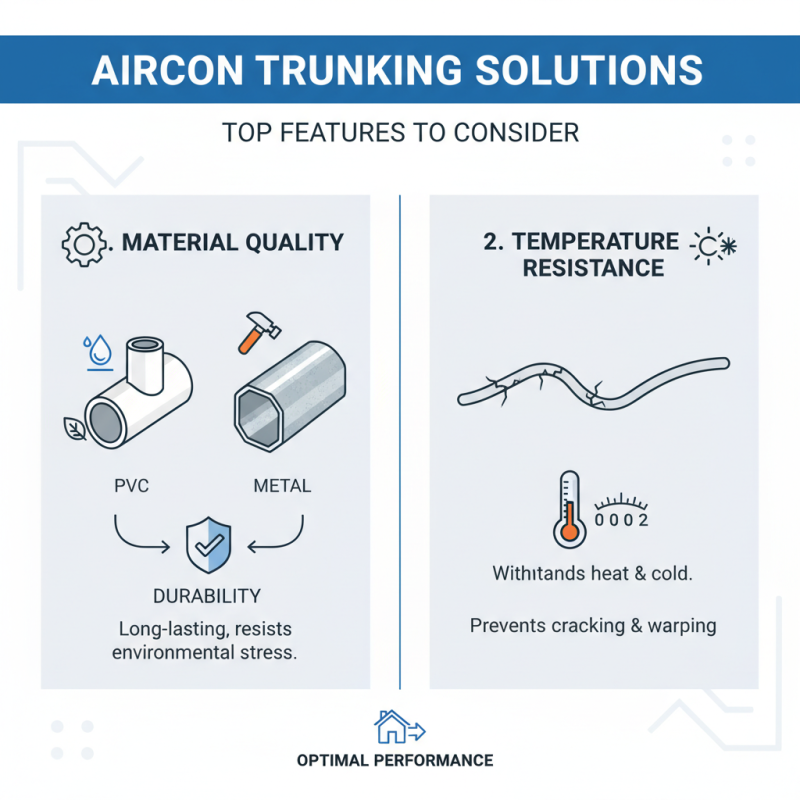
When selecting aircon trunking solutions, consider several key features. First, material quality is crucial. Durable trunking made from PVC or metal offers longevity and withstands various environmental conditions. Ensure that the trunking can handle temperature fluctuations without cracking or warping.
Next, focus on size and design. A good fit for your space is essential. Compact designs can save space while still providing sufficient airflow. Pay attention to the aesthetics; sleek, unobtrusive designs can enhance the look of your environment. However, finding the right balance can be challenging.
Lastly, ease of installation is a vital aspect. Look for systems that allow for straightforward setup and require minimal maintenance. Complex installations can lead to delays and increased costs. It's also wise to check the warranty offered. A good warranty reflects confidence in the product's reliability. Remember, sometimes the cheapest option can result in higher costs later. Making a thoughtful decision will pay off in the long run.
In recent years, aircon trunking systems have evolved significantly, thanks to innovative materials that enhance both functionality and aesthetics. Modern trunking solutions often utilize high-density polyethylene (HDPE) and ethylene-vinyl acetate (EVA). These materials provide excellent durability while being lightweight and easy to install. According to a report by MarketsandMarkets, the HVAC market is expected to reach USD 250 billion by 2027, highlighting the growing demand for efficient air conditioning solutions.
Innovative designs now incorporate flexible trunking options, allowing for a clean integration into various architectural styles. This flexibility reduces installation time and costs, appealing to both contractors and end-users. Data from Statista indicates that the use of modular cooling systems can lead to a 30% reduction in labor costs. However, the reliance on new materials raises questions about their long-term performance and recyclability.
Moreover, environmental concerns have driven the use of eco-friendly materials in trunking solutions. Some manufacturers are exploring biodegradable options to reduce waste. While promising, the effectiveness of these materials in extreme conditions remains uncertain. Industry experts emphasize the need for rigorous testing and standards to ensure reliability in diverse climates. This ongoing innovation seeks to balance efficiency, cost-effectiveness, and sustainability in the HVAC sector.
When analyzing aircon trunking prices globally, significant variations emerge based on region, material, and design. Southeast Asia often features competitive prices, primarily due to local manufacturing. However, European markets may present higher costs, reflecting stricter regulations and quality standards. Buyers should factor in these pricing differences to make informed decisions.
In addition to price, considerations such as durability and aesthetics are crucial. Customers in regions with extreme weather might invest more in robust materials. Local market demands also influence design choices. Some options may not always align with modern aesthetics, prompting buyers to reconsider their selections.
It is essential to balance cost with quality. Choosing lower-priced trunking may lead to issues like damage or reduced efficiency. A comprehensive understanding of market trends can guide buyers toward smarter investments. Being aware of regional differences helps buyers navigate the complexities of aircon trunking effectively.
| Rank | Region | Material Type | Price per Meter (USD) | Installation Difficulty |
|---|---|---|---|---|
| 1 | North America | PVC | 8.50 | Easy |
| 2 | Europe | Aluminum | 12.00 | Medium |
| 3 | Asia | Galvanized Steel | 10.50 | Hard |
| 4 | Australia | Plastic | 9.00 | Easy |
| 5 | South America | Fiber Reinforced Plastic | 11.00 | Medium |
| 6 | Middle East | ABS | 7.50 | Easy |
| 7 | Africa | Copper | 14.00 | Hard |
| 8 | North America | Steel | 15.50 | Hard |
| 9 | Europe | Composite | 13.00 | Medium |
| 10 | Asia | Wood | 14.50 | Medium |
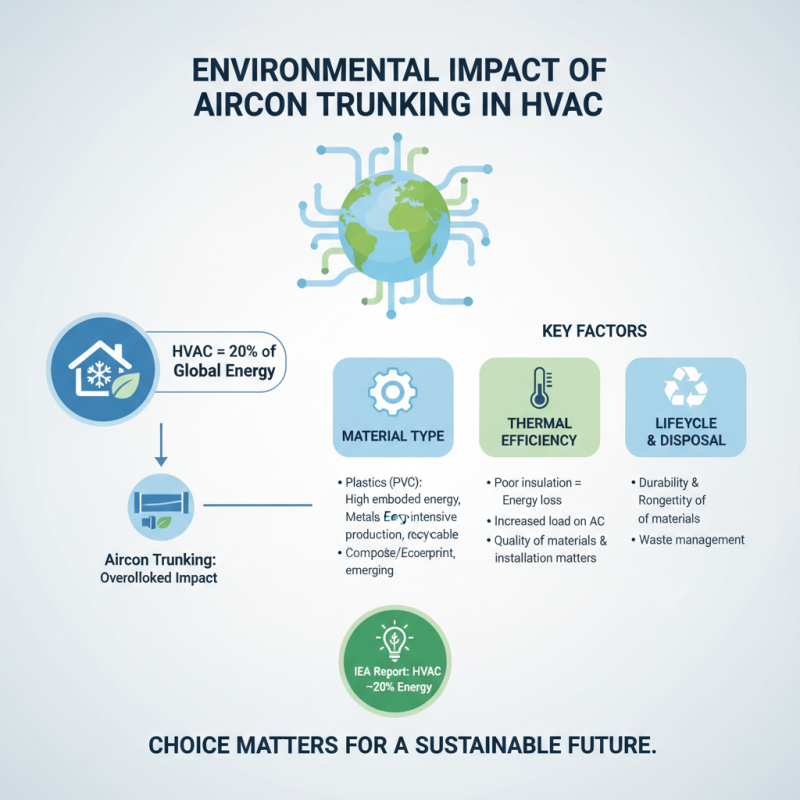
Air conditioning systems play a vital role in modern HVAC solutions. However, the environmental impact of aircon trunking is often overlooked. A recent report from the International Energy Agency (IEA) shows that HVAC systems account for nearly 20% of global energy consumption. The materials used in trunking can significantly influence this statistic.
For instance, PVC is a common material in trunking solutions but poses environmental challenges. According to the United Nations Environment Programme (UNEP), PVC production emits harmful pollutants. Alternatives like aluminum and galvanized steel are available. These materials can enhance energy efficiency and reduce carbon footprints. However, their extraction and processing can also result in significant environmental strain.
The life cycle of aircon trunking should be a focus for manufacturers and buyers alike. Sustainable sourcing and end-of-life recyclability are essential considerations. Research indicates that more than 70% of HVAC efficiency loss can be attributed to poor trunking systems. As global buyers look to reduce their environmental impact, selecting eco-friendly materials is crucial. A fundamental shift is required in how aircon systems are designed and implemented to achieve sustainable progress.
Effective installation techniques are crucial for aircon trunking systems. Proper installation ensures efficient airflow and minimizes energy loss. According to the International Energy Agency, up to 30% of energy consumption in HVAC systems can be attributed to poor installation practices. This highlights the significance of adhering to industry standards during the installation process.
One common approach is to use insulated trunking. This reduces thermal bridging, which helps maintain optimal temperatures. Moreover, ensuring that the trunking is securely mounted prevents vibrations that can lead to wear over time. Regular inspections are also recommended, as they help identify issues early before they escalate. Research shows that systems with regular maintenance perform 15% more efficiently than neglected ones.
While modern materials are durable, installation errors can occur. Misalignment or inadequate sealing can lead to air leaks, diminishing performance. Training installers in best practices is essential for avoiding these pitfalls. Some experts suggest using advanced sealing methods to further enhance system reliability. Continuous improvements in technology and techniques can foster efficiency improvements for global buyers.
This bar chart illustrates the popularity percentage of various aircon trunking solutions among global buyers. PVC trunking is the most preferred option, followed by metal and flexible trunking solutions.