In the world of manufacturing and production, industrial air conditioning plays a crucial role. According to Dr. Emily Johnson, a leading expert in HVAC systems, "Effective air conditioning ensures optimal working conditions and boosts productivity." Industrial air conditioning systems do more than just cool spaces; they create a controlled environment that can enhance safety, equipment lifespan, and energy efficiency.
Modern industries depend on precise temperature control. High humidity or excessive heat can jeopardize product quality. For example, a malfunctioning air conditioning unit can lead to spoilage in food production. Dr. Johnson also emphasizes, "Neglecting proper cooling can result in significant financial losses." It’s a harsh reality, but one that organizations must confront.
Investing in reliable industrial air conditioning helps mitigate risk. Such systems not only ensure comfort for employees but also support equipment performance. However, maintenance and cost factors often raise questions. Will the investment truly pay off? The challenges in upfront costs and ongoing upkeep require careful consideration. Hence, while industrial air conditioning offers many benefits, it also prompts reflection on priorities and budgetary constraints.
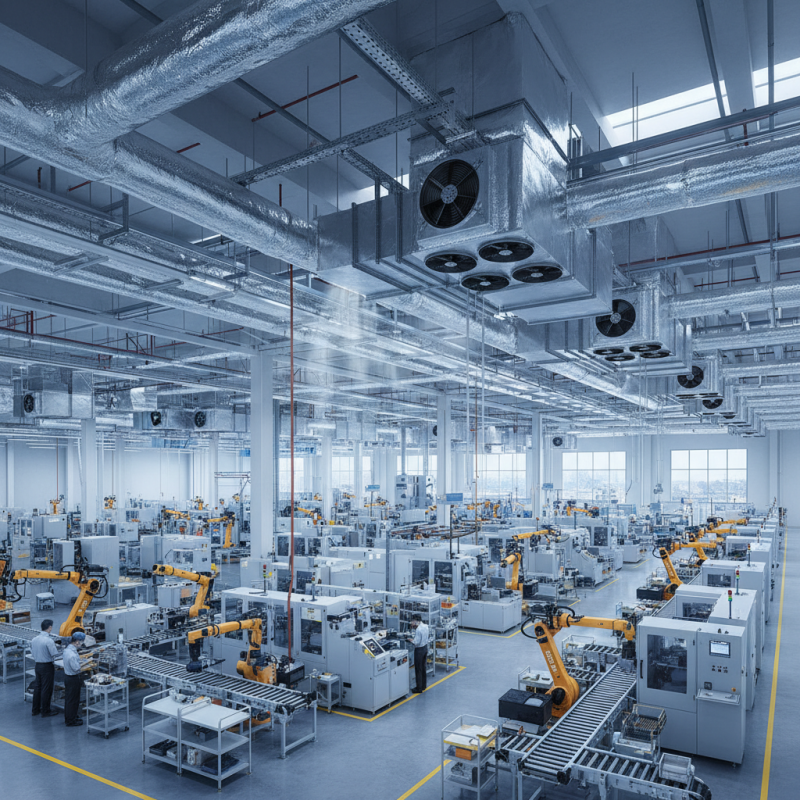
Implementing industrial air conditioning systems offers several key advantages that can significantly improve operational efficiency. One major benefit is maintaining a consistent temperature. In many industries, fluctuations can damage sensitive equipment or affect product quality. A stable environment also enhances employee comfort, leading to higher productivity.
Another important aspect is humidity control. High moisture levels can lead to mold growth and equipment corrosion. Effective air conditioning reduces these risks, promoting a healthier workplace. Additionally, systems often include filtration features that improve air quality. Clean air reduces health issues among workers.
However, there are challenges in installing and maintaining these systems. The initial costs can be high and require careful budget planning. Operators need ongoing training to handle advanced technology. Addressing these issues is crucial to reap the full benefits of air conditioning in industrial settings.
In industrial settings, temperature control plays a crucial role in employee productivity. When the environment is too hot or too cold, workers struggle to concentrate. This discomfort leads to decreased efficiency and increased errors. A well-maintained air conditioning system helps maintain a stable temperature, essential for optimal performance.
Moreover, the right temperature boosts morale. Employees feel valued and cared for when their workplace is comfortable. This positive atmosphere fosters teamwork and collaboration. With fewer distractions, they can focus on their tasks. Yet, it is essential to routinely check and maintain these systems. Neglected units can experience breakdowns, costing time and resources. Regular maintenance ensures reliability, keeping the workforce on track.
However, not every workplace gets it right. Some companies overlook the importance of air conditioning. They might face high turnover rates or frequent absenteeism. These problems stem from an uncomfortable working environment. Investing in quality air conditioning is not just about comfort; it's about creating a productive space. Proper temperature control can change everything.
Industrial air conditioning systems play a crucial role in enhancing equipment longevity. By maintaining optimal temperatures, these systems reduce wear and tear on machinery. When machines operate in a cooler environment, their components last longer. This extends the overall lifespan of valuable assets. High temperatures can lead to overheating and failures. Regular cooling helps mitigate these risks.
Tip: Regular maintenance is keys. Check filters and ducts often. Clean systems ensure efficiency and prevent breakdowns.
Effective performance management of machinery relies heavily on temperature control. Consistent cooling allows for better operational efficiency. Employees are also more productive in comfortable environments. When machinery runs well, productivity increases. This creates a positive cycle of performance improvement.
Tip: Monitor temperature settings. Keep track of changes over time. Adjustments may be needed based on workload and season.
Investing in industrial air conditioning is smart. While initial costs may seem high, the long-term savings are substantial. Reflect on the costs of replacing broken machines. Prevention is always more cost-effective than repairs. Balancing temperature should be a priority for any operation.
| Benefit | Description | Impact on Equipment |
|---|---|---|
| Improved Longevity | Consistent cooling helps to reduce wear and tear on machinery. | Increases lifespan of equipment. |
| Enhanced Performance | Maintains optimal temperatures for machinery operation. | Boosts efficiency and productivity. |
| Energy Efficiency | Modern systems are designed to consume less energy. | Reduces operational costs. |
| Reduced Downtime | Keeps equipment running smoothly without overheating. | Minimizes production interruptions. |
| Improved Air Quality | Filters out dust and pollutants from the air. | Enhances working environment for personnel. |
| Regulated Humidity | Controls moisture levels to prevent corrosion. | Protection of sensitive equipment. |
| Compliance with Regulations | Helps meet industry standards for temperature and humidity. | Avoids legal issues and fines. |
| Cost Savings | Long-term savings on maintenance and energy costs. | Increased profit margins. |
| Enhanced Worker Comfort | Creates a more comfortable working atmosphere. | Increases employee productivity and satisfaction. |
| Advanced Control Systems | Smart systems allow for better management of air conditioning. | Optimizes system performance and reliability. |
Energy efficiency is a significant advantage of industrial air conditioning systems. A report by the U.S. Department of Energy indicates that improving HVAC efficiency can reduce energy consumption by up to 30%. For industrial facilities, these savings are substantial. In a typical manufacturing plant, energy costs can account for 10% of overall expenses. A 30% reduction directly impacts the bottom line.
Investing in modern air conditioning technology can yield impressive results. A study from the International Energy Agency highlighted that advanced cooling technologies can save businesses approximately $13 billion annually globally. The return on investment becomes evident when companies realize lower utility bills. However, adopting these systems involves upfront costs, and not every business may be prepared for that financial commitment.
Some industrial setups may struggle to optimize their systems fully. Existing infrastructure sometimes poses challenges for system upgrades. Additionally, without proper maintenance, even the most efficient system can underperform. A gap often exists between projected and actual savings. Companies must monitor systems regularly to ensure they achieve intended energy efficiency.
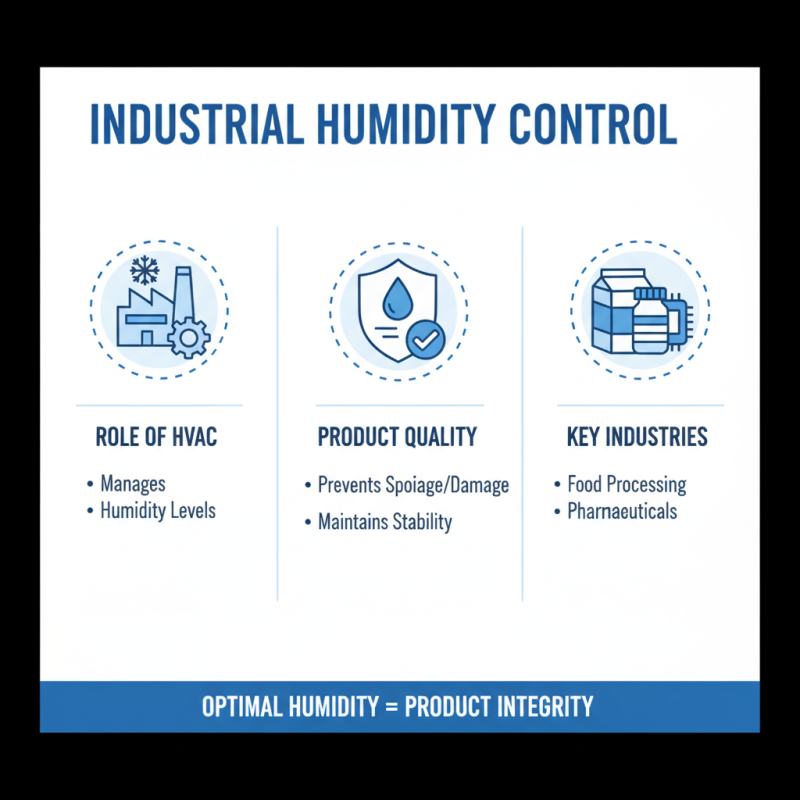
Industrial air conditioning systems play a crucial role in managing humidity levels. Maintaining optimal humidity is vital for preserving product quality. High humidity can lead to spoilage or damage, especially in industries like food processing and pharmaceuticals. When humidity is controlled, products remain stable and maintain their intended properties.
Proper humidity control can improve production efficiency. Workers thrive in a comfortable environment. Equipment operates more effectively when humidity is managed. However, improper settings can cause issues. Too much or too little humidity can lead to condensation or drying out. Regular monitoring is necessary.
Tips for humidity control: Utilize humidity sensors to track levels accurately. Regularly check and maintain your air conditioning systems. Adjust settings based on seasonal changes. Remember, finding the right balance takes time and effort. Experiment with settings, and don't hesitate to make adjustments as needed.
The implementation of industrial air conditioning systems offers numerous benefits that significantly enhance operational efficiency in industrial settings. One of the key advantages is the improvement in employee productivity, as maintaining optimal temperature control creates a comfortable working environment. Moreover, these systems contribute to the longevity and performance of equipment by regulating temperature and reducing the risk of overheating.
Additionally, energy efficiency gains from industrial air conditioning lead to substantial cost savings for businesses. These systems help reduce humidity levels, which positively impacts product quality by preventing damage that can occur from excess moisture. Lastly, compliance with health and safety standards is easier with proper air conditioning, ensuring a safer environment for employees and equipment alike. Overall, industrial air conditioning is crucial for fostering an efficient and compliant industrial operation.