The construction industry is experiencing rapid growth globally. As a critical component, cement block machines play a vital role in this field. Numerous Cement Block Machine Companies in China are leading this trend, providing high-quality machinery for various construction needs. Their advanced technology improves efficiency and lowers production costs.
Buyers across the globe seek reliable partners in their ventures. However, choosing the right Cement Block Machine Company can be challenging. There are many options, each with unique strengths and weaknesses. It's essential to research these companies thoroughly to make informed decisions. Some may have impressive marketing, yet fail in product durability. Others may excel in customer service but lack innovation.
In this exploration of the top ten companies, we highlight their specialties. It is important to recognize that not every choice will be perfect. Potential buyers must weigh their priorities against available options. With the right information, navigating this market can lead to successful investments.
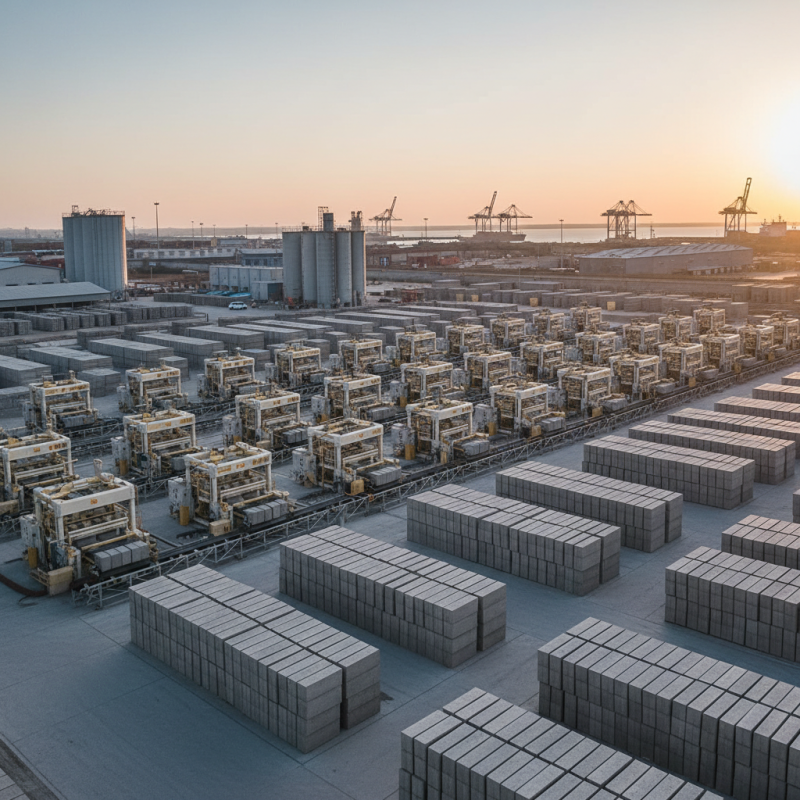
The cement block machine industry in China has seen rapid growth in recent years. This expansion is driven by increased demand for construction materials. Chinese companies have improved their manufacturing processes significantly, leading to higher efficiency. As a global buyer, partnering with reliable suppliers can offer substantial benefits.
Many manufacturers focus on automation and technology integration. Advanced machines can produce blocks faster and with less waste. Quality control is crucial in this industry. Buyers must consider the reliability of machinery and after-sales support.
Tips: Research suppliers' backgrounds thoroughly. Look for manufacturers with solid track records. Analyzing customer feedback can also be beneficial. Pay attention to technological advancements in machine designs. This could impact operational efficiency in your projects. Always request samples before committing to large orders.
When evaluating top cement block machine companies, several criteria must be considered. Reliability is key. A company’s track record in production and delivery matters immensely. According to industry reports, companies with a high on-time delivery rate often lead in customer satisfaction.
Product quality is another critical aspect. Machines must meet international standards. The production efficiency, measured in blocks produced per hour, should align with global benchmarks. For instance, modern machines can produce over 3000 blocks daily, which indicates robust technology and design.
Tips: Consider companies that invest in R&D. This commitment often leads to innovations that enhance quality and efficiency. Look at customer reviews and long-term partnerships. Consistently positive feedback reflects a company's dedication to service. It is interesting to note that some firms struggle with after-sales support. Make sure to check this aspect thoroughly.
In the booming construction industry, cement block machines play a crucial role. These machines are essential for producing durable and cost-effective building materials. Understanding the leading manufacturers in China can help global buyers make informed decisions.
Recent industry reports indicate that China’s cement block machine market is expected to grow by 7.5% annually. This growth is driven by increased urbanization and infrastructure development. Many manufacturers focus on a combination of efficiency and innovative technology. Advanced automation in these machines not only boosts production speed but also enhances quality consistency.
Tip: When selecting a manufacturer, consider their experience and technological capabilities. Analyze their production capacity and the feedback from existing clients. Additionally, ensure that the company adheres to international quality standards; this can reflect their commitment to reliability.
It’s worth noting that not all manufacturers excel in after-sales service. Some may fall short in support, which can affect your business positively or negatively. Hence, thorough research is necessary. Before purchasing machinery, it’s wise to seek testimonials or references from other users to gauge reliability. Such insights often reveal strengths and weaknesses that official reports may miss.
The cement block machine industry is evolving rapidly. Innovative technologies have emerged, enhancing efficiency and output quality. These advancements often focus on automation and energy-saving mechanisms. New systems are being developed that minimize waste, leading to more sustainable production processes. This shift reflects a growing concern for environmental impact in all industries.
In addition to increased automation, there is also a push for smart technology integration. Machines equipped with sensors and AI can monitor performance in real time. This allows for immediate adjustments to be made, ensuring optimal output. However, such innovations can sometimes lead to complexities in operation. Not every worker is trained to handle advanced systems, which presents a challenge for companies.
Moreover, innovation is not without its pitfalls. Many companies invest in cutting-edge machinery, but they often overlook maintenance requirements. Frequent breakdowns can negate the benefits of advanced technology. Continuous training programs are essential for staff to keep up with equipment changes. As companies navigate these challenges, the focus remains on improving efficiency while addressing operational hurdles.
Cement block machines play a critical role in the construction industry. As global demand for eco-friendly building materials rises, these machines have gained attention. They streamline production and improve efficiency. The shift toward sustainable practices has prompted companies to innovate continuously. Advanced features, such as automation, are becoming standard in new models.
In emerging markets, the demand for cement block machines is growing. Developing nations are investing in infrastructure, leading to a surge in construction projects. This trend creates opportunities for manufacturers. However, navigating local regulations can be challenging. Companies must be flexible and adapt to regional needs.
While many manufacturers offer similar products, quality variability exists. It’s essential for buyers to conduct thorough research. Understanding the specific requirements for different markets is crucial. A machine that works well in one region may not suit another. Therefore, careful assessment is vital for success in this competitive field.