Top 10 Ceramic Brackets for Braces at China Import and Export Fair?
As the global demand for orthodontic solutions continues to rise, "Ceramic Brackets Braces" have gained significant traction. In recent years, the orthodontic market has seen an annual growth rate of approximately 8.5%. This trend highlights the increasing preference for discreet and aesthetic options among patients. Ceramic brackets are particularly favored for their ability to blend with natural tooth color, providing a more appealing alternative to traditional metal braces.
During the upcoming 139th Canton Fair in 2026, manufacturers are expected to showcase advanced ceramic brackets. The fair will feature cutting-edge innovations in braces technology, aligning with current industry standards that increasingly emphasize patient comfort and treatment effectiveness. Notably, suppliers with certifications like ISO and CE will stand out, setting benchmarks for quality assurance in orthodontic products. However, the variation in product quality still raises concerns. Not all manufacturers meet the high expectations of modern orthodontics.
Furthermore, the integration of AI technology at the fair promises efficiency for buyers. Attendees can effectively navigate through a vast space of 1.55 million square meters. This will help them discover reliable suppliers of ceramic brackets. As the market evolves, it is crucial to reflect on the ongoing quality issues in this sector. Balancing accessibility with quality standards remains a challenge for both manufacturers and orthodontists.
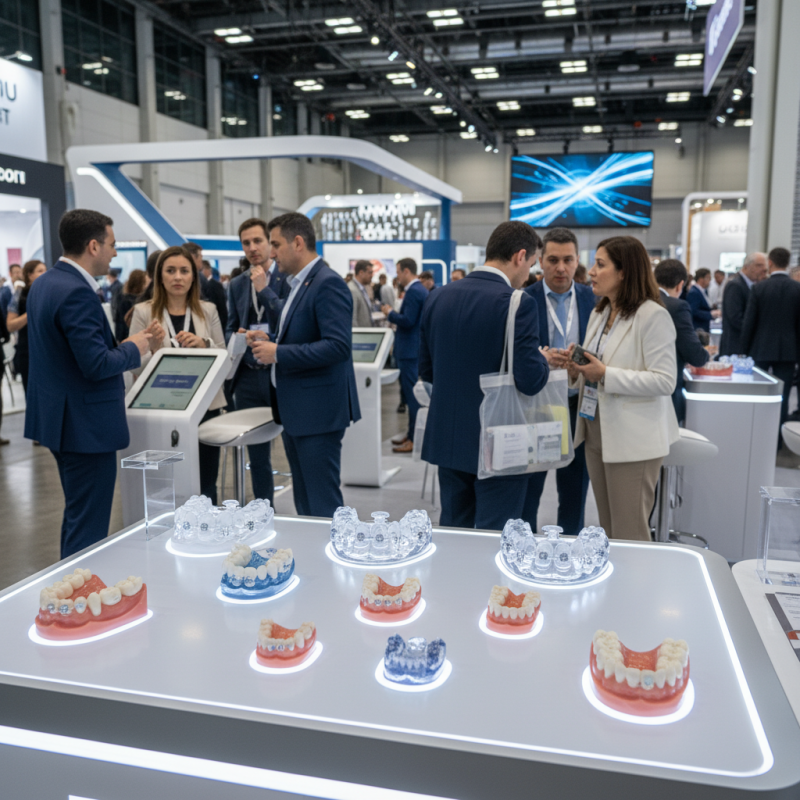
Overview of Ceramic Brackets and Their Importance in Orthodontics
Ceramic brackets have gained popularity in orthodontics due to their aesthetic advantages. These brackets blend well with the natural color of teeth. They are less noticeable than metal brackets, making them a preferred choice for adults and teens. Effective treatment is achievable without sacrificing appearance.
However, ceramic brackets do have some downsides. They can be more brittle than metal options, leading to possible breakage. Patients need to be cautious with hard foods. Regular follow-ups are crucial to ensure they remain intact.
Tips for selecting ceramic brackets: Consider your lifestyle and habits. If you tend to consume hard or sticky foods, you may want to discuss the best options with your orthodontist. Another aspect to keep in mind is the maintenance of oral hygiene. Ceramic brackets can attract stains if not cleaned properly. Stay diligent with your dental care routine. Regular brushing and rinsing can prevent discoloration and keep your smile bright.
Criteria for Selecting Quality Ceramic Brackets for Braces
When selecting ceramic brackets for braces, it’s crucial to pay attention to a few key factors. Quality is non-negotiable. Look for brackets made from durable materials. They should withstand daily wear. The size of the brackets matters, too. Smaller brackets often lead to greater comfort. Patients appreciate less visibility in their orthodontic treatment.
Consider the shape of the brackets. Some are designed to be more aesthetically pleasing. A good fit is essential. Poorly fitted brackets can lead to discomfort. Sizing variations can impact the effectiveness of the braces. Remember to choose brackets that align well with the specific treatment plan.
Tip: Always inspect for manufacturing consistency. Uneven surfaces or defects are bad signs. Explore user reviews for feedback on performance. They provide insight into potential issues. Quality control is vital in ensuring reliable results. Equipping yourself with this knowledge can transform your selection process. Stay informed, and choose wisely.
Top 10 Ceramic Brackets for Braces | Bracket Type | Material Quality | Aesthetic Appeal | Durability | Ease of Use |
| Monocrystalline Ceramic | High Quality | Excellent | Very Durable | Easy to Handle |
| Polycrystalline Ceramic | Good Quality | Good | Durable | Moderate Use |
| Translucent Ceramic | High Quality | High Aesthetic | Moderately Durable | Easy to Use |
| Metal-Reinforced Ceramic | Excellent | Moderate | Very Durable | Easy Handling |
| Clear Ceramic | Good Quality | High Aesthetic | Lower Durability | Moderate Ease |
| Colored Ceramic | Good Quality | Good | Durable | Easy to Apply |
| Hybrid Ceramic | High Quality | Excellent | Very Durable | Easy to Use |
| Sapphire Ceramic | Outstanding | Excellent | Extremely Durable | Very Easy |
| Alumina Ceramic | High Quality | Good | Moderately Durable | Moderate Handling |
| Zirconia Ceramic | High Quality | Excellent | Very Durable | Easy to Handle |
Top 10 Ceramic Bracket Brands Displayed at the China Import and Export Fair
The China Import and Export Fair showcases a variety of innovative ceramic brackets. These products appeal to orthodontists seeking aesthetics and functionality. According to industry reports, the global ceramic brackets market is expected to grow by 5% over the next five years. This growth highlights a rising demand for discreet orthodontic solutions.
Notably, many manufacturers emphasize quality and design. They focus on creating brackets that blend well with natural teeth. However, durability remains a concern. Some brackets may chip or discolor over time, affecting their long-term appeal. Orthodontists should weigh these factors when selecting products.
Tip: Always check for detailed product specifications before making decisions.
Furthermore, the exhibit includes advancements in adhesive technology. New adhesives promise better bonding and easier cleanup. Still, some dental professionals express skepticism about long-term performance. They worry that newer materials might not hold up under pressure.
Tip: Consider feedback from fellow practitioners when evaluating new products.
In conclusion, the China Import and Export Fair is a key venue for exploring ceramic brackets. It highlights emerging trends and challenges that practitioners must navigate. Staying informed about these developments is crucial for orthodontic success.
Comparative Analysis of Features and Benefits of Each Bracket
When comparing ceramic brackets for braces, several features stand out. The material is a key consideration. Most are lightweight and blend well with teeth. This aesthetic appeal is crucial for many, especially adults. Some brackets offer a smoother surface, which can reduce discomfort during treatment. However, they may be less durable than metal counterparts, leading to potential issues down the line.
Another critical aspect is the size of the brackets. Smaller brackets tend to be less visible and can improve comfort. Yet, this can also mean they are harder to handle during installation. Some models feature innovative designs that enhance bonding with the tooth surface. This innovation can expedite treatment but might come at a cost.
Balancing aesthetics with functionality can be challenging for orthodontists and patients alike. Orthodontic professionals sometimes wish for a more user-friendly experience. They are tasked with finding brackets that meet patient needs while ensuring optimal results. Continuous improvements in technology may provide better options in the future. However, the current choices highlight a mix of pros and cons that require thoughtful consideration. A more profound understanding of each bracket's unique features can help make informed decisions.
Market Trends and Innovations in Ceramic Braces Technology
Ceramic brackets have gained popularity in orthodontics, especially at trade fairs like the China Import and Export Fair. These materials blend aesthetics with functionality, attracting consumers who want more discreet options. The latest innovations focus on thinner and stronger designs, enhancing comfort during use. Many users express appreciation for the natural tooth-like appearance of ceramic brackets. The material reduces visibility and promotes confidence in social situations.
Market trends indicate a shift towards eco-friendly materials in manufacturing. Some new ceramics are bio-compatible, reducing allergic reactions. This has become a key selling point for manufacturers aiming to attract health-conscious consumers. However, not all ceramic materials perform equally. Manufacturers face challenges in balancing strength and aesthetics. Some brackets may chip or stain over time, leading to dissatisfaction among users. Continuous refinement and testing are crucial for improvement.
Another emerging trend is the integration of technology. Digital scanning allows for better customization of brackets. This ensures a more comfortable fit for patients. Yet, this process can be complex and requires training. Not all practitioners are equipped for these advancements. User feedback is essential for guiding future developments in ceramic braces. Companies must listen and adapt, or they risk falling behind in this competitive market.
Top 10 Ceramic Brackets for Braces