In the global marketplace, the demand for high-quality Construction Equipment is ever-increasing. China stands out as a leading manufacturer of innovative construction machinery. The country’s growth in this sector is impressive. From excavators to bulldozers, Chinese brands offer a wide range of products that cater to diverse needs. Buyers worldwide seek reliable and efficient equipment to enhance their projects.
China’s construction equipment is known for its affordability and advanced technology. However, prospective buyers should carefully evaluate options. Quality can vary significantly among different manufacturers. Researching user reviews and expert opinions is essential. Understanding after-sales support is also crucial in making informed choices.
While Chinese construction equipment offers value, there are challenges. Potential buyers may encounter issues like limited parts availability or service networks. It’s important to consider these factors. Making an investment in construction machinery requires diligence, as this commitment can impact project success. Seeking advice from experienced users can provide additional insights.
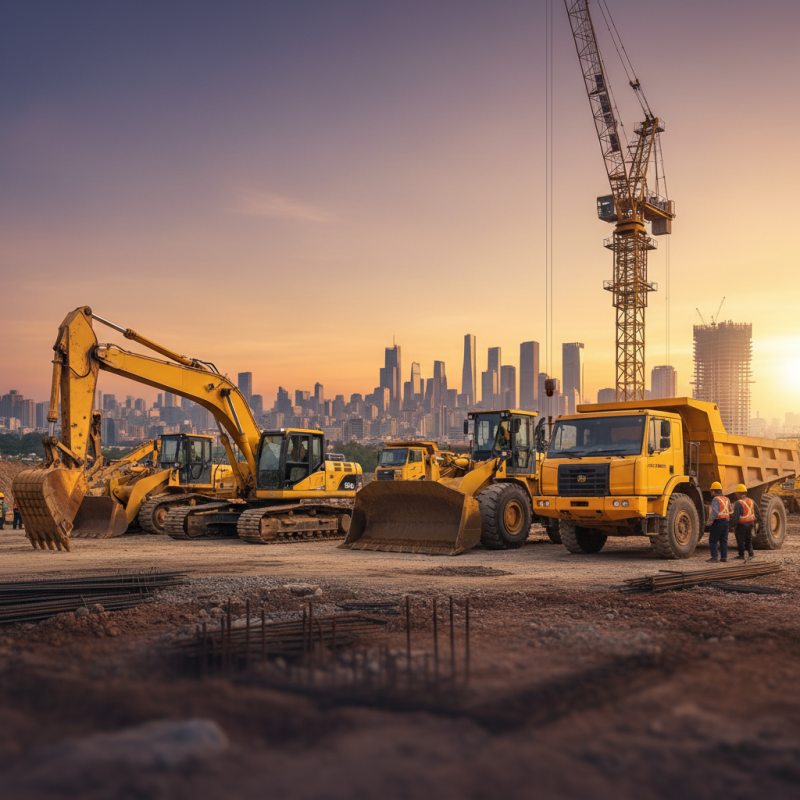
The global construction equipment market is witnessing significant growth, driven by increasing urbanization and infrastructure development. Chinese manufacturers are gaining traction due to their competitive pricing and innovative technology. According to recent market reports, China accounted for over 30% of global construction equipment production in 2022. This indicates their influence in shaping global standards.
Many top Chinese manufacturers are expanding their reach. They focus on quality while keeping costs low. This strategy appeals to international buyers. In a time where efficiency is key, these companies are investing in advanced technologies. For instance, remote-controlled construction machinery is becoming common. Data shows a 15% rise in demand for such innovations in the last year alone.
However, challenges remain. Some buyers worry about after-sales support and service quality. This is an area where some Chinese brands need improvement. Despite these concerns, the overall trend shows Chinese manufacturers continuing to enhance their reputation. The combination of experience, technology, and competitive pricing keeps them at the forefront, attracting global buyers looking for reliable construction solutions.
The global construction equipment market is experiencing significant growth. Analysts predict its expansion over the next few years. Factors driving this include urbanization and infrastructure development. Emerging markets, especially in Asia and Africa, show strong demand. Construction projects in these regions often require advanced equipment. Such investments lead to job creation and economic development.
Despite this growth, challenges exist. Supply chain issues have impacted availability. The pandemic exposed vulnerabilities in logistics. Manufacturers must adapt quickly to avoid delays. Additionally, environmental regulations are becoming stricter. Companies need to innovate to meet these new standards. This adjustment can be costly and time-consuming. The transition to eco-friendly machinery presents both challenges and opportunities.
Market forecasts suggest continued investment in technology. Automation and digital tools are changing construction practices. Companies that embrace these changes can gain a competitive edge. However, many firms struggle with integrating new technologies. Training employees and overcoming resistance can hinder progress. Ultimately, staying informed and adaptable is crucial for success in the evolving construction landscape.
Chinese construction equipment is gaining traction globally, notably because of its innovative technology. Recent industry reports highlight that China's construction machinery market is expected to reach $100 billion by 2025. This growth is largely driven by advancements in automation and smart technology.
Many Chinese manufacturers are integrating features like AI and IoT connectivity into their machinery. These innovations enhance operational efficiency and reduce downtime. For instance, smart sensors can predict equipment maintenance needs, which minimizes unexpected failures. Reports indicate that using such technologies can improve productivity by up to 30%.
Tip: When considering construction equipment, prioritize models with advanced analytics. They can provide critical insights into performance and maintenance.
It's essential to note that not all innovations are without challenges. The rapid pace of technological advancement can lead to a disparity in adoption rates among manufacturers. Smaller companies may struggle to keep up, impacting their reliability. Additionally, some advancements require skilled operators, which may be a concern in emerging markets.
Tip: Invest in training programs for your workforce to maximize the benefits of new technology. This can bridge the gap between innovation and practical application.
| Equipment Type | Key Features | Innovation | Applications |
|---|---|---|---|
| Excavator | High digging depth, advanced hydraulic systems | Smart control systems for enhanced precision | Construction, mining, landscaping |
| Bulldozer | Powerful engine, robust design | Eco-friendly engines with lower emissions | Earth moving, site preparation |
| Concrete Mixer | Automatic mixing controls, high capacity | Integration with IoT for real-time monitoring | Road construction, building works |
| Crane | Long reach, high load capacity | Remote operation capabilities | High-rise construction, heavy lifting |
| Loader | Versatile attachments, strong lifting power | Telematics for operational efficiency | Material handling, industrial site work |
When exporting construction equipment, understanding certifications is crucial. Many countries require specific standards to ensure safety and quality. Notably, the International Organization for Standardization (ISO) offers guidelines, including ISO 9001 for quality management. Adhering to such standards helps meet buyer expectations. In 2021, the construction equipment market saw a 5% growth rate globally, indicating increasing demand for reliable machinery.
Additionally, equipment must often pass safety certifications. For instance, CE marking is essential in Europe. This signifies compliance with EU safety regulations. In the Asia-Pacific region, understanding local certifications is equally vital. Reports indicate that 70% of buyers prioritize brands that hold recognized certifications. Therefore, exporters should invest in acquiring these essential validations.
Relying on certifications alone may not suffice. Market preferences can shift rapidly. Some buyers are looking for equipment that meets evolving environmental standards, reflecting global sustainability trends. Ignoring this might limit opportunities. Furthermore, logistical challenges often arise when trying to achieve certification in multiple regions. Consequently, exporters must continually adapt. Can they keep pace with the dynamic landscape of global regulations?
When comparing construction equipment costs, Chinese products often present a significant advantage. They are typically more affordable than Western counterparts. This price difference can be attributed to lower labor costs and production expenses in China. However, price isn't everything. Quality must also be considered.
Many Chinese construction machines are built with basic components, leading to questions about durability and performance. Some users report issues with the longevity of parts, which can create additional costs in the long run. Western equipment may feature advanced technology and enhanced durability, but this comes at a higher price point.
Buyers should weigh both initial costs and potential . Maintenance and repair services for Chinese equipment may not be as readily available outside of China. Additionally, understanding the local market and support options is crucial. While low prices are appealing, a thorough evaluation of quality and service is vital for making an informed decision.