Top 10 Tips for Home Air Conditioning Installation Success?

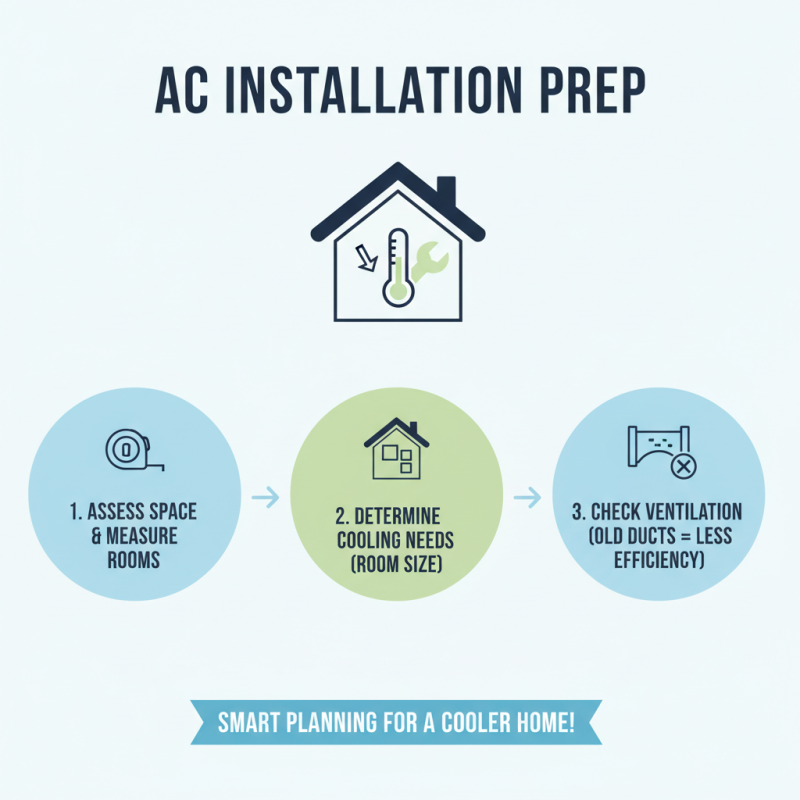
When it comes to home air conditioning installation, getting it right is crucial for comfort and efficiency. Many homeowners underestimate the complexity involved. A successful installation requires careful planning, precise measurements, and understanding your space.

One common mistake is not considering the size of the unit. An air conditioner that is too small will struggle to cool your home. Meanwhile, one that is too large can lead to inefficient operation. Additionally, ignoring proper ductwork can hinder airflow and reduce effectiveness. It’s these details that can make or break your installation process.

Selecting the right placement for your unit is vital. You want it to be both effective and unobtrusive. Poor positioning can lead to noise issues and poor cooling performance. Thus, seeking professional advice is often beneficial. Consideration of these tips can pave the way for a successful home air conditioning installation.

Top 10 Tips for Home Air Conditioning Installation Success?

Understanding BTU Requirements for Optimal Air Conditioning Efficiency

Top 10 Tips for Home Air Conditioning Installation Success?

When installing air conditioning, understanding BTU requirements is crucial for efficiency. BTU, or British Thermal Unit, measures energy for cooling. Different spaces need different BTU levels. A small room may only need 5,000 BTUs, while larger areas require much more. This ensures that your unit operates effectively, avoiding under or over-cooling.

One key tip is to calculate your room size accurately. Measure the length and width to find the square footage. Consider factors like ceiling height and sun exposure. Sunlit rooms may need additional BTUs. Don't ignore heat sources like appliances either.

Another important point involves airflow. Ensure vents and ducts are clear. Blocked airflow reduces efficiency. Choose the right location for the unit, ideally central, to maximize cooling. A poorly placed unit can lead to uneven temperatures and wasted energy. The right BTU calculation and airflow management can make a significant difference in your cooling comfort.

Choosing the Right Air Conditioner Type for Your Home’s Needs

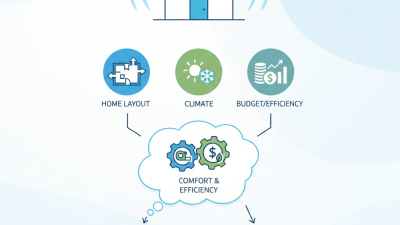
When selecting the right air conditioner type for your home, consider your specific needs. Different homes require different solutions. A central air system might suit larger spaces, but it may be overkill for smaller areas. Ductless systems can be perfect for homes without existing ductwork.

Evaluate the climate in your region. In hotter areas, a more powerful unit is crucial. If you live in a milder climate, a simpler model may suffice. Don't forget about energy efficiency. Higher efficiency units might cost more upfront but save money in the long run.

Also, consider the layout of your home. Open spaces might need a stronger system to circulate cool air effectively. Pay attention to the insulation in your walls and attic. Poor insulation can lead to wasted energy. If your home is not well insulated, even a good unit will struggle. Reflect on your choices carefully before making a decision. The perfect air conditioning system hinges on thoughtful consideration of these factors.

The Importance of Professional Installation and Maintenance Standards

Proper installation of home air conditioning systems is crucial for maximizing efficiency and longevity. According to the U.S. Department of Energy, nearly 30% of energy use can be decreased with correct installation. However, DIY approaches often lead to suboptimal setups. This can result in reduced cooling performance and increased energy bills. A professional installation adheres to established guidelines, ensuring the system operates as intended.

Maintenance is equally vital. Studies show that regular check-ups can boost system efficiency by up to 15%. Systems lacking maintenance often struggle. They can develop leaks or mechanical issues that are easily overlooked. Industry standards recommend servicing at least once a year, yet many homeowners neglect this. By investing in professional installation and maintenance, users can prevent future problems and maintain a comfortable living environment.

Common Mistakes to Avoid During Home Air Conditioning Installation

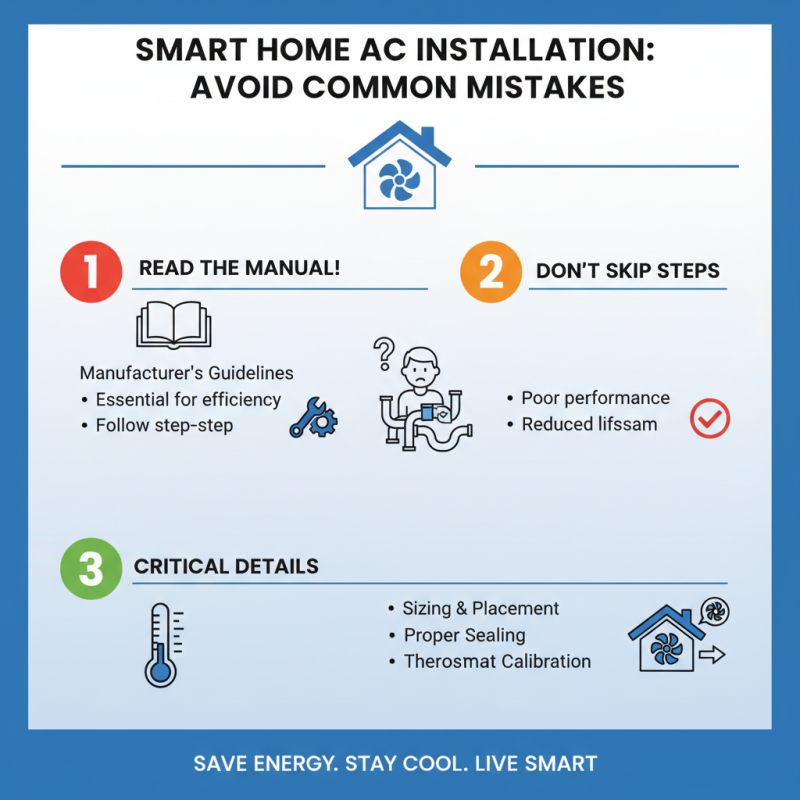
When installing a home air conditioning system, many homeowners make critical mistakes that can lead to inefficiencies. According to the U.S. Department of Energy, improper installation can reduce system efficiency by up to 30%. That’s a significant number. A poorly sized unit can be one of the biggest pitfalls. Oversized systems frequently cycle on and off, causing wear and tear, while undersized units struggle to cool your home effectively. This can lead to discomfort and increased energy costs.

Another common mistake involves neglecting proper duct installation. Leaky ducts can significantly waste energy. The Energy Information Administration reports that about 20% of cool air can be lost through poorly sealed ductwork. Homeowners often overlook the importance of sealing and insulating ducts, which can result in higher utility bills. This is not merely a minor setback; it could become a substantial long-term cost if not addressed.

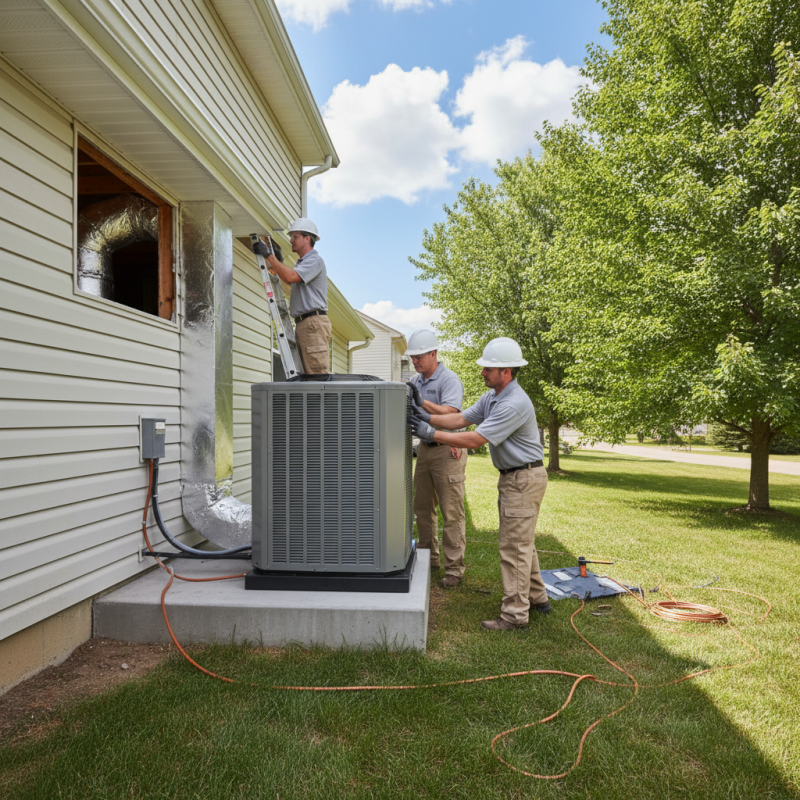
Finally, failing to consider the placement of the outdoor unit can have dire consequences. If placed in direct sunlight or near other heat sources, the air conditioner may work harder than necessary. The end result? Failure to achieve desired indoor temperatures. It’s crucial to evaluate the installation site properly. Not assessing these details can lead to unsatisfactory performance and frustration for years to come.

Top 10 Common Mistakes to Avoid During Home Air Conditioning Installation

Energy Efficiency Ratings: What to Look for When Buying an AC Unit

When purchasing an air conditioning unit, energy efficiency ratings are crucial. The Seasonal Energy Efficiency Ratio (SEER) measures an AC unit's cooling output divided by its energy consumption. Higher SEER ratings mean greater efficiency. The U.S. Department of Energy recommends looking for units with a SEER rating of at least 14 for optimal performance.

Another vital rating is the Energy Efficiency Ratio (EER). This metric helps determine efficiency at peak cooling conditions. Units with a higher EER perform better in extremely hot conditions. Research indicates that a unit with an EER of 12 or higher can save homeowners substantial amounts on energy bills.

Many consumers overlook these ratings, often focusing solely on the sticker price. This decision can lead to higher long-term costs due to inefficient units. Consulting available energy efficiency data and local climate conditions can be enlightening. A mismatch can result in oversized or undersized systems. This imbalance wastes energy and can cause premature wear on the unit. Understanding these metrics leads to informed choices and potentially significant savings.

Top 10 Tips for Home Air Conditioning Installation Success

Tip Number Tip Description Energy Efficiency Rating (EER) SEER Rating
1 Choose a unit that fits your space 12-14 16-18
2 Consider a programmable thermostat 10-12 15-17
3 Ensure proper insulation and sealing 13-15 17-19
4 Choose the right placement for the unit 14-16 18-20
5 Regular maintenance is key 12-14 16-18
6 Select an AC with high energy efficiency 15-18 19-21
7 Inquire about warranties and service Not applicable Not applicable
8 Use a professional for installation Not applicable Not applicable
9 Review installation costs ahead of time Not applicable Not applicable
10 Know your local regulations and permits Not applicable Not applicable