Choosing an air conditioner is only part of creating a comfortable, efficient home. The real results depend on careful domestic air conditioning installation, accurate measurements, and disciplined commissioning. In 2026, homeowners should look beyond cooling capacity and attractive energy labels. Room size, insulation, window exposure, ceiling height, airflow paths, and local climate all influence the correct system.
HVAC educator and contractor Bryan Orr captures this practical truth: “Installation quality determines whether equipment can deliver its promise.” The point is simple. A premium unit cannot compensate for crushed ductwork, poor drainage, loose electrical connections, or incorrect refrigerant charging. A reliable installer should complete a documented load calculation, inspect the existing electrical supply, confirm condensate drainage, and test airflow at the grilles. Ask for measured results, not vague reassurance.
Small details matter.
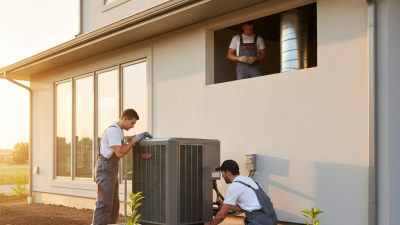
A technician should protect floors, seal wall penetrations, and leave the outdoor coil clear of debris. The indoor unit should sit level, while the drain line should maintain a suitable fall. New refrigerants and equipment classifications may also require specific training, tools, and regional compliance checks. Requirements differ, so qualified local professionals must verify them.
This guide will examine planning, equipment selection, installation stages, commissioning, maintenance, and common mistakes. It will also question popular assumptions. Bigger is not always better. The quietest system may not suit every layout. Even a careful guide cannot replace a site visit, and some homes will still surprise us. That limitation deserves honesty. Good installation begins with evidence, clear communication, and respect for the building itself.
Choosing a residential air-conditioning system in 2026 starts with the home, not the equipment. Measure room loads, insulation, window exposure, occupancy, and duct condition. A contractor should provide a Manual J load calculation and explain every assumption. Manual S then matches equipment capacity to that load and local climate. An oversized system may cool quickly, but it can leave rooms damp and uncomfortable. It may also cycle frequently. That is a common installation failure, not a minor detail. The U.S. Energy Information Administration’s 2020 Residential Energy Consumption Survey found that about 89% of U.S. households used air-conditioning. IEA’s The Future of Cooling warns that cooling energy demand could more than triple globally by 2050 without efficiency improvements.
Tips: Compare SEER2 and EER2 ratings, but do not choose from ratings alone. Ask about humidity control, sound levels, filter access, and duct leakage testing. In hot, humid areas, variable-capacity equipment can provide steadier comfort. In mild climates, a high-efficiency heat pump may offer more useful annual performance. Confirm the electrical panel can support the selected system. Request a written commissioning report after installation. It should show airflow, refrigerant measurements, temperature split, and safety checks.
No rating predicts every bill. A perfect installation is impossible. Still, weak documentation should raise questions. I would rather choose a correctly sized system with modest features than a powerful unit installed carelessly. The final decision should reflect local climate, household routines, repair access, and realistic maintenance habits.
Estimated annual cooling electricity use by residential system efficiency. The comparison assumes a 24,000 Btu/h cooling load and 1,000 equivalent full-load cooling hours per year. Values are calculated as annual cooling capacity divided by SEER2 efficiency and will vary with climate, thermostat settings, insulation, and installation quality.
Higher SEER2 ratings generally reduce electricity use, but the best choice also depends on local climate, system sizing, duct condition, installation cost, and expected years of use.
A reliable domestic air conditioning installation begins with a careful assessment of the home. Measure each room, note ceiling height, window direction, insulation quality, and existing ventilation. A sunny west-facing bedroom may need more cooling than a shaded hallway. Do not rely only on floor area. A qualified installer should calculate the cooling load and inspect the electrical supply before recommending equipment.
Walk through the property at different times of day. Listen for traffic noise, check possible drainage routes, and identify suitable indoor and outdoor unit positions. Keep airflow away from beds and desks. Leave enough clearance for filters, servicing, and safe access. Condensation pipes need a steady fall, or water may collect indoors. It sounds minor. It is not.
Tips: Photograph walls, sockets, windows, and the proposed pipe route before work begins. Ask for a written installation plan, including load calculations, drainage details, noise considerations, and maintenance access. Confirm who will handle electrical connections and refrigerant work. A tidy layout can still hide a poor plan. I have seen attractive installations become difficult to service because appearance was valued over access. Check the details twice.
In 2026, preparation remains the quiet difference between a reliable system and a costly callback. The U.S. Energy Information Administration reports that 89% of American homes used air conditioning in its 2020 Residential Energy Consumption Survey. That reach makes careful installation important.
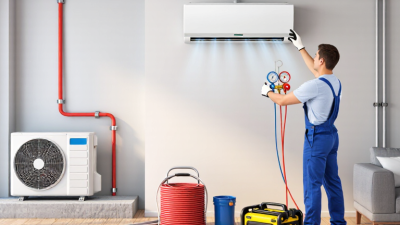
Before work begins, a qualified technician should prepare a vacuum pump, micron gauge, manifold set, torque wrench, level, electrical tester, drill, leak detector, and protective equipment. Materials usually include insulated refrigerant lines, approved wiring, a disconnect, condensate piping, vibration pads, fasteners, and sealing mastic.
Keep it dry. Moisture inside refrigerant lines can damage performance and shorten compressor life.
Clear the installation area before equipment arrives. Check wall strength, service clearances, airflow paths, drainage, and safe electrical access. The U.S. Department of Energy estimates that poorly sealed or insulated ducts can waste more than 30% of heating and cooling energy. Seal joints carefully, but do not block required ventilation or maintenance space.
I still overpack small fittings, then discover one missing drain trap. That mistake is avoidable. Measure twice, document pipe lengths, and confirm the load calculation before selecting capacity. ACCA Manual J procedures support sizing from room dimensions, insulation, windows, orientation, and local climate, not floor area alone.
After installation, record evacuation pressure, electrical readings, airflow, and condensate drainage.գ
2026 Best Domestic Air Conditioning Installation Guide: Indoor and Outdoor Units
A reliable installation begins with a room-by-room cooling load calculation. ACCA Manual J remains a respected method for sizing residential systems. Oversizing is tempting, but it can cause short cycling, uneven temperatures, and higher humidity. It also reduces comfort. Measure windows, insulation, occupancy, and sun exposure before selecting equipment.
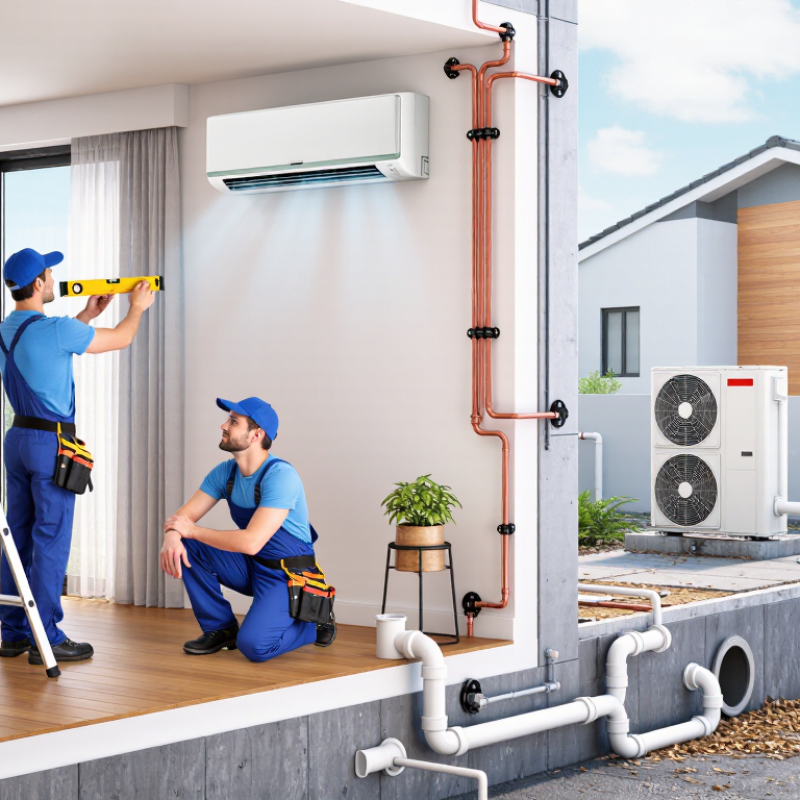
The indoor unit needs a level mounting surface, clean filter access, and a correctly sloped condensate drain. A small drain error can create ceiling stains within weeks. Insulate refrigerant lines carefully, then test for leaks and evacuation quality. Outdoor units need firm support, open airflow, and protection from snow, leaves, and service obstructions. Avoid placing the condenser beside a hot exhaust outlet.
Ductwork deserves equal attention. The U.S. Department of Energy reports that duct losses can exceed 30% of heating and cooling energy, especially in unconditioned spaces. Seal joints with approved mastic, not ordinary cloth tape. The International Energy Agency projects global cooling demand could triple by 2050, increasing pressure on installation quality. A quiet system is not automatically efficient. Technicians should verify airflow, temperature split, electrical readings, and refrigerant performance after startup. Field practice is imperfect, and a visually neat installation may still hide restricted airflow or poor drainage. Testing matters more than appearance.
| Installation Dimension | Recommended Practice | Typical Residential Data | Quality and Safety Check | Responsible Trade |
|---|---|---|---|---|
| System Selection | Size the system from a room-by-room heat-load calculation rather than floor area alone. | Common residential split-system capacities are approximately 1.5–5 tons, or 18,000–60,000 BTU/h. | Confirm design temperature, insulation, window exposure, occupancy, ventilation, and local efficiency requirements. | Qualified HVAC designer or installer |
| Indoor Unit Location | Position the indoor unit where air can circulate freely and where the condensate drain can be routed safely. | Keep the unit level; maintain manufacturer-specified service space and avoid blocked return-air paths. | Do not place the unit above electrical equipment or in a location that could direct condensate onto finished surfaces. | HVAC installer |
| Outdoor Unit Location | Install on a stable, vibration-resistant base with unrestricted airflow and convenient service access. | Typical planning allowances are about 300 mm at the sides and 600 mm above, unless the installation manual requires more. | Keep clear of exhaust heat, flood-prone areas, snow accumulation, combustible materials, and bedroom windows where practical. | HVAC installer or site contractor |
| Mounting and Level | Use a wall bracket, pad, or raised platform suitable for the equipment weight and local weather conditions. | The outdoor unit should be level; a raised base is useful where drainage, snow, or surface water is a concern. | Check anchor strength, corrosion resistance, vibration isolation, and clearance from combustible construction. | Installer or structural contractor |
| Refrigerant Pipework | Route correctly sized, insulated copper lines between the indoor and outdoor units with smooth bends. | Line length, vertical lift, pipe diameter, and additional refrigerant charge must follow the equipment manual. | Pressure-test with dry nitrogen where required, evacuate with a calibrated vacuum gauge, and check every joint for leaks. | Certified refrigeration technician |
| Condensate Drain | Provide a continuous downward route to an approved discharge point, using a trap or pump when the design requires one. | A commonly used planning slope is about 1:100, or approximately 10 mm fall per metre; local rules and the manual take priority. | Test the drain with clean water and confirm there is no backflow, leakage, odor transfer, or overflow risk. | HVAC installer or plumber |
| Electrical Supply | Use a correctly rated, isolated supply installed in accordance with local electrical regulations. | Residential systems may use regional supply voltages such as 120 V or 208–240 V; circuit size depends on the nameplate data. | Provide required disconnecting means, grounding, overcurrent protection, cable sizing, and weather-resistant outdoor connections. | Licensed electrician |
| Control Wiring | Connect communication and control cables as specified, keeping them separated from power wiring where required. | Use the cable type, polarity, terminals, and maximum length stated in the installation documentation. | Inspect terminals for secure connections and protect cables from heat, abrasion, moisture, and ultraviolet exposure. | HVAC installer or electrician |
| Air Distribution | Ensure supply air can reach the occupied zone and return air can flow back without obstruction. | Keep furniture, curtains, and partitions from blocking grilles or the indoor unit; seal duct joints where ductwork is used. | Verify airflow, room temperature difference, filter fit, and absence of unusual turbulence or noise. | HVAC installer |
| Weather Protection | Protect exposed pipe insulation, wiring, and penetrations from rain, sunlight, pests, and physical damage. | Use UV-resistant insulation covering and seal the wall penetration while allowing appropriate drainage. | Check flashing, sealants, cable glands, pipe supports, and corrosion protection after installation. | Installer or building contractor |
| Commissioning | Operate the system in cooling mode and record performance after installation is complete. | Document supply and return temperatures, operating pressures, electrical readings, airflow, drain operation, and noise. | Confirm stable operation, correct rotation where applicable, clean filters, no refrigerant leaks, and no condensate leakage. | Commissioning technician |
| Efficiency Verification | Confirm the installed equipment meets the required seasonal efficiency rating for the local jurisdiction. | Efficiency labels may use metrics such as SEER2, EER2, CSPF, or regional equivalents; ratings are not directly interchangeable. | Match indoor and outdoor components as an approved system and retain the compliance documentation. | Installer or energy assessor |
| Noise and Vibration | Use resilient mounts and avoid rigid contact between refrigerant lines, brackets, walls, and structural members. | Actual sound levels depend on operating mode, installation surface, airflow, and distance from the measurement point. | Check for rattling, compressor vibration, fan imbalance, and structure-borne noise during startup and steady operation. | HVAC installer |
| Handover | Provide the homeowner with operating instructions, maintenance guidance, safety information, and installation records. | Keep model data, circuit details, refrigerant information, commissioning readings, and warranty documents together. | Explain isolation procedures, filter cleaning, condensate inspection, and when professional service is required. | Installer and homeowner |
| Routine Maintenance | Keep filters, coils, outdoor airflow paths, and condensate components clean and unobstructed. | Inspect or clean filters approximately every 1–3 months, with shorter intervals for pets, dust, or heavy use. | Arrange professional inspection when airflow drops, ice forms, water leaks, electrical faults occur, or cooling performance declines. | Homeowner and qualified service technician |
| Regulatory Compliance | Follow current building, electrical, mechanical, refrigerant, fire-safety, and noise-control requirements. | Permit, inspection, refrigerant-handling, and efficiency requirements vary by country, state, province, and municipality. | Verify with the local authority before installation | Property owner and licensed contractors |
2026 Best Domestic Air Conditioning Installation Guide: Testing Performance, Safety, and Energy Efficiency
A reliable installation starts with measurements, not guesswork. Before commissioning, I check airflow, refrigerant pressure, electrical connections, drain slope, and thermostat response. The indoor coil should remain clean, while supply vents need balanced airflow. A simple smoke pencil can reveal air escaping around flexible duct joints. Small leaks often become expensive ones.
The International Energy Agency’s The Future of Cooling reports that global cooling demand could more than triple by 2050. That projection makes efficiency testing essential, not optional. I record operating temperature, humidity, power draw, and airflow after the system stabilizes. A large temperature difference alone does not prove good performance. The U.S. Department of Energy also emphasizes correct sizing, sealed ducts, and proper airflow for efficient residential cooling.
Safety checks deserve equal attention. I verify circuit protection, grounding, condensate drainage, and clear outdoor-unit spacing. Water should flow through the drain without backing up near electrical parts. Refrigerant work requires trained personnel and suitable recovery equipment. Never rely on a quiet compressor as proof of safety.
The process is not perfect. Outdoor weather can distort test results, and household usage changes daily. I therefore repeat key readings under different conditions and keep photographs with the commissioning record. One overlooked filter, however, can undermine careful work. That remains an uncomfortable but useful reminder.