2026 Top Aircon Trunking Solutions for Global Buyers?
In recent years, the air conditioning industry has witnessed significant advancements, particularly in aircon trunking solutions. According to a report from ResearchAndMarkets, the global HVAC market is projected to grow at a CAGR of 5.4% from 2023 to 2028. This trend emphasizes the need for efficient aircon trunking systems that optimize airflow and energy consumption. Buyers worldwide are becoming increasingly discerning, seeking innovative designs that blend functionality with aesthetic appeal.
The demand for high-quality aircon trunking solutions reflects a growing emphasis on energy efficiency and environmental sustainability. A study by the International Energy Agency indicates that efficient HVAC systems can reduce energy consumption by up to 50%. This data pushes manufacturers to enhance their offerings, ensuring they meet the twin demands of performance and eco-friendliness. However, not all solutions deliver on these promises; some providers may prioritize cost-cutting over quality, leading to long-term inefficiencies.
As global buyers evaluate aircon trunking options, the focus must remain on products that offer reliable performance and compliance with safety standards. Discerning customers should consider factors like durability, installation flexibility, and maintenance needs. Thus, while the market presents opportunities, caution and thorough research remain essential for making informed decisions.
Overview of Aircon Trunking Solutions in 2026
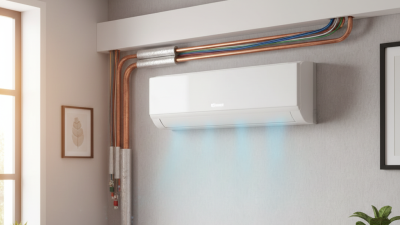
In 2026, air conditioning systems are evolving, and aircon trunking solutions play a critical role. These systems manage the distribution of cooled air efficiently. They reduce energy waste and enhance the overall performance of air conditioning units. Proper trunking ensures minimal air leakage, which is crucial for maintaining temperature.
Many buyers are looking for durable and flexible materials. These materials need to withstand varying climates and conditions. Some trunking solutions now prioritize aesthetics, integrating seamlessly into modern architectural designs. Visibility matters; a clean, unobtrusive look can elevate interior spaces. However, buyers must consider installation challenges. Misalignment can lead to inefficiencies.
Another factor is the balance between cost and quality. Choosing the cheapest option may result in frequent repairs. Investing in reliable trunking can save money over time. It's essential to weigh short-term savings against long-term benefits. Buyers also need to be wary of installation services. Poor installation can negate the advantages of high-quality materials. Each project demands careful planning and execution for optimal results.
Key Features to Consider When Choosing Aircon Trunking
When selecting air conditioning trunking solutions, several key features merit your attention. Durability is crucial. Look for materials that withstand heat and moisture. Good insulation minimizes energy loss. This not only reduces costs but also enhances system efficiency. Consider easy installation as well. Trunking that is straightforward to install saves time and reduces labor costs.
Another important feature is adaptability. Trunking systems should fit various environments, whether commercial or residential. Flexible designs accommodate different aircon types and layouts. A reliable airflow path is essential as well, preventing blockages and ensuring consistent cooling.
Aesthetics also play a role. Trunking that blends with the ceiling or walls can improve the overall look of any space. However, maintaining visual appeal shouldn't compromise functionality. Feedback from users often highlights the balance between design and performance as a critical factor. It's worth reflecting on the trade-offs while making a choice.
Top Global Suppliers of Aircon Trunking Solutions
As the demand for air conditioning solutions grows globally, so does the need for effective trunking systems. These systems are critical for the efficient routing of
air conditioning ducts, preventing leaks and ensuring optimal airflow. Global buyers are increasingly focused on sourcing durable
and reliable trunking solutions. The challenge lies in identifying suppliers who prioritize quality and environmental standards.
Many suppliers are innovating, using advanced materials that enhance durability while ensuring ease of installation. Some companies offer customizable trunking solutions,
catering to specific project needs. These tailored approaches can provide significant benefits, such as improved energy efficiency and reduced installation time.
However, not every supplier meets rigorous safety and compliance standards, causing potential risks.
Researching supplier credentials is essential for buyers. Factors like industry certifications and customer feedback can give insight into supplier reliability.
Engaging with multiple suppliers and comparing their offerings can uncover hidden gems. Yet, the quest for the ideal solution can be daunting, requiring persistent investigation and analysis.
Despite the difficulties, selecting the right aircon trunking solution is vital for ensuring long-term satisfaction and project success.
Comparative Analysis of Popular Aircon Trunking Materials
When selecting aircon trunking solutions, it's essential to examine the materials used. Common options include PVC, aluminum, and galvanized steel. Each has its strengths and weaknesses. PVC is lightweight and resistant to corrosion, making it ideal for humid environments. However, it may not be suitable for high-temperature applications. On the other hand, aluminum offers a good balance of durability and weight, often preferred for aesthetic finishes. Yet, its cost can be prohibitive for some projects.
A recent industry report highlighted that PVC accounts for approximately 50% of the global aircon trunking market. This dominance showcases its popularity due to cost-efficiency and ease of installation. Despite its benefits, some experts voice concerns about its long-term durability compared to metals. This raises questions about sustainability and whether alternatives need to be explored further.
Galvanized steel, while stronger and more durable, can present issues like rust over time, particularly in coastal regions. Industry professionals point out that using protective coatings can mitigate this. However, the added maintenance requirements might deter some buyers. Understanding the pros and cons of these materials is crucial for global buyers in making informed decisions. Balancing cost, function, and longevity will ultimately reflect in the performance of aircon systems.
Emerging Trends in Aircon Trunking Technology for 2026
In 2026, aircon trunking solutions are evolving rapidly. Emerging technologies aim to enhance
efficiency and aesthetics in air conditioning design.
According to a recent industry report, the global air conditioning market is projected to reach
$158.5 billion by 2026, indicating a significant
shift in focus towards innovative trunking solutions.
New materials, such as lightweight composites,
are gaining traction. These materials not only reduce installation time but also improve thermal efficiency.
A study from the International Energy Agency highlights
that advanced trunking systems can reduce energy losses by up to 15%.
This shift becomes crucial as energy costs rise globally. Additionally, smart trunking systems are integrating
IoT technology for real-time monitoring and control.
Tip: When evaluating trunking systems, consider both
aesthetics and functionality. A visually appealing system can enhance interior design while
maintaining performance. Balancing these factors is essential.
The push for sustainability also drives innovation.
Many manufacturers are now prioritizing eco-friendly materials. However, the transition may present challenges,
including cost and availability. This evolving industry landscape calls for adaptability among suppliers
and buyers alike.
Tip: Research and select vendors with a proven
track record in sustainable practices. This can ensure reliable supply and support long-term goals.