2026 Top Types of Heating and Air Conditioning Systems?

Choosing among the top types of heating and air conditioning systems in 2026 requires more than comparing advertised efficiency ratings. Climate, building design, fuel access, installation quality, and maintenance all change the result. A quiet ductless heat pump may suit a renovated apartment, while a high-efficiency furnace and central air conditioner may remain practical in a cold, existing home. Details matter. A poorly sealed duct can waste energy before conditioned air reaches the bedroom.

Industry data shows why system choices are changing. The International Energy Agency reported in The Future of Heat Pumps that global heat pump deployment could reduce annual emissions by at least 500 million tonnes of carbon dioxide by 2030 under supportive policies. Its 2024 market updates also noted weaker heat pump sales in several major markets, reminding buyers that adoption is not moving in one simple direction. The U.S. Energy Information Administration continues to identify space heating and cooling as major household energy uses, while the U.S. Department of Energy highlights variable-speed equipment, proper sizing, and improved controls as important efficiency factors.

This guide compares furnaces, boilers, central air conditioners, ductless mini-splits, air-source heat pumps, geothermal systems, and variable refrigerant flow equipment. It considers comfort, operating cost, refrigerant direction, noise, repair access, and installation complexity. No ranking is absolute. A system that performs brilliantly in Phoenix may struggle without backup heat in Minnesota. That limitation deserves attention. Real-world performance often depends less on the brochure and more on load calculations, commissioning, and the technician’s workmanship.
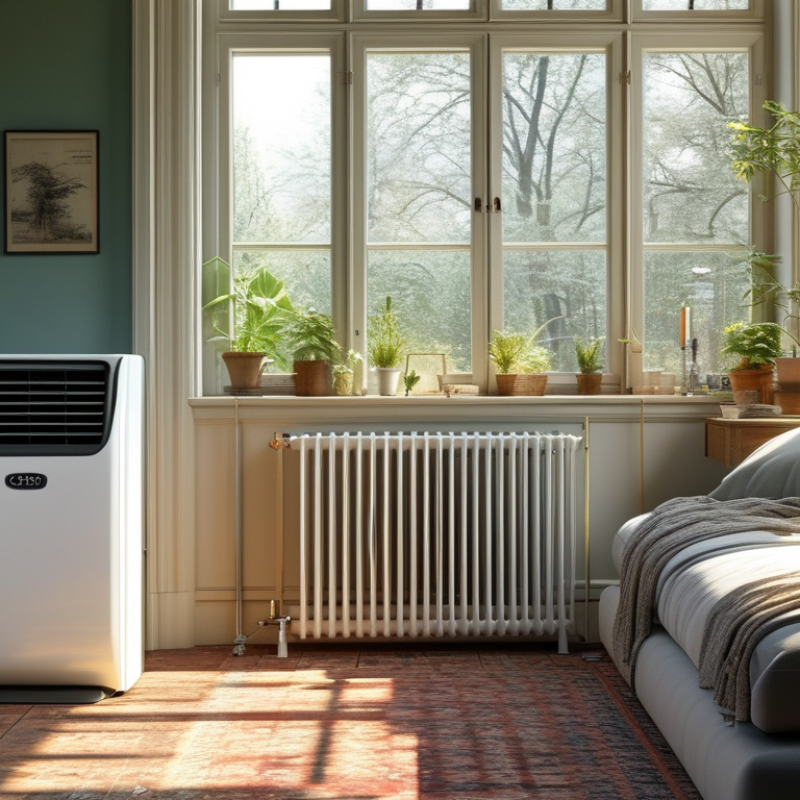
2026 Top Types of Heating and Air Conditioning Systems?

Heating and Air Conditioning Systems: Basic Principles and Main Components

2026 Top Types of Heating and Air Conditioning Systems

Heating and air conditioning systems control indoor temperature by moving or producing heat. A furnace creates heat, while a boiler transfers heat through water. A heat pump moves heat instead of burning fuel. In cooling mode, it removes indoor heat and releases it outdoors. That sounds simple. It is not always simple in practice. Air conditioners use a compressor, condenser coil, expansion device, and evaporator coil. Refrigerant changes pressure and temperature through this circuit. A blower then pushes conditioned air through ducts or indoor units. Each component affects comfort, energy use, and reliability.

The main heating choices in 2026 include furnaces, boilers, heat pumps, and electric resistance systems. Cooling commonly comes from central systems, ductless systems, or packaged equipment. Heat pumps can provide both heating and cooling, which may reduce equipment complexity. However, performance depends on climate, insulation, airflow, and correct sizing. An oversized system may cycle too often and leave rooms damp. An undersized one can run constantly on very cold or hot days. I have seen comfort problems blamed on equipment when blocked filters or leaking ducts caused the real issue. That mistake is easy to make.

Tips: Check filters regularly, keep outdoor coils clear, and schedule professional inspections before extreme weather. Ask for measured airflow, electrical checks, refrigerant evaluation, and a written sizing calculation. Do not choose equipment from efficiency numbers alone. Noise, maintenance access, humidity control, and backup heat matter too. A neat installation can still perform poorly if ducts are unbalanced. Good advice should admit uncertainty and explain what must be verified on site.

Central Heating and Cooling Systems for Whole-Building Climate Control

2026 Top Types of Heating and Air Conditioning Systems?

Central Heating and Cooling Systems for Whole-Building Climate Control

Central systems manage temperature across offices, schools, hospitals, and large homes. They usually combine a central plant, distribution network, and zone controls. Common options include air-source heat pumps, hydronic boilers with chilled-water equipment, and all-air systems. Heat pumps can provide heating and cooling through one reversing cycle. Hydronic systems move heated or chilled water through pipes, then serve rooms through coils or terminal units.

Energy use makes system selection important. The U.S. Department of Energy reports that heating and cooling represent about 48% of a typical American home’s energy use. The International Energy Agency’s The Future of Cooling projects that global space-cooling energy demand could more than triple by 2050. These figures support efficient central design, but performance depends on climate, building envelope, occupancy, and control settings.

A proper design starts with a room-by-room load calculation. Oversized equipment often cycles poorly and creates uneven comfort. Commissioning should check airflow, water temperatures, sensor placement, and outdoor-air rates. ASHRAE guidance remains a reliable reference for ventilation and energy performance. Site inspections often find neglected filters and poorly balanced zones. The calculation is not glamorous. It is still essential. No system is perfect, and even efficient equipment can waste energy when controls are badly configured.

Ductless, Heat Pump, and Hybrid Systems for Flexible Comfort

In 2026, home comfort is less about one dominant system and more about matching equipment to the building. Ductless systems suit additions, older homes, and rooms where installing large ducts is impractical. A small indoor unit can deliver targeted heating and cooling. It also avoids hidden duct losses. However, visible wall units may affect room design, and filters need regular cleaning. I have found that overlooked maintenance quickly reduces airflow and comfort. Not always predictably.

Heat pumps move heat rather than create it through combustion. In mild and cold climates, modern air-source models can provide efficient heating and cooling from one system. Their performance depends on insulation, outdoor temperature, defrost cycles, and correct sizing. An oversized unit may short-cycle, leaving rooms clammy. An undersized unit may rely heavily on backup heat. A qualified technician should check load calculations, electrical capacity, drainage, and local weather data before recommending equipment. Online estimates can help, but they are not a site inspection.

Hybrid systems combine a heat pump with a secondary heating source. Controls can select the lower-cost or more practical option as conditions change. This arrangement offers flexibility during cold snaps, yet it adds controls, wiring, and service points. Energy prices also change, so promised savings deserve careful checking. Ask for measured efficiency, expected maintenance, and a clear explanation of switching temperatures. Comfort is personal. A quiet bedroom may matter more than peak efficiency. That is easy to forget.

2026 Top Types of Heating and Air Conditioning Systems: Ductless, Heat Pump, and Hybrid Systems for Flexible Comfort

A practical comparison of common residential heating and cooling systems, including efficiency, comfort control, installation needs, and climate suitability.

System Type How It Works Heating and Cooling Capability Typical Efficiency Range Best-Suited Applications Main Advantages Important Considerations
Ductless Mini-Split Heat Pump
Flexible zoning No ductwork
An outdoor heat-pump unit connects to one or more indoor air handlers. Refrigerant lines transfer heat directly between the indoor and outdoor units. Provides both heating and cooling. Individual indoor units can usually be controlled independently for room-by-room comfort. Cooling efficiency commonly ranges from approximately 16 to 30 SEER2. Heating performance varies by model, with cold-climate units designed to operate at low outdoor temperatures. Older homes without ducts, additions, garages, converted spaces, apartments, and homes where selected rooms need independent temperature control. No major duct installation, high zoning flexibility, quiet operation, reduced duct-related energy losses, and efficient part-load performance. Indoor wall, ceiling, or floor units remain visible. Filters require regular cleaning, and professional refrigerant-line installation is important for reliable performance.
Central Air-Source Heat Pump
All-electric Whole-home
A reversible refrigeration cycle moves heat between the home and outdoors. The same duct system distributes conditioned air throughout the house. Delivers cooling in summer and heating in winter. Supplemental electric resistance heat may be included for unusually cold conditions. Many current systems fall around 15 to 22 SEER2 for cooling and approximately 7.5 to 10 HSPF2 for heating, depending on the equipment combination and climate. Homes with existing, adequately sized ducts and homeowners seeking one all-electric system for year-round comfort. One system provides both heating and cooling, eliminates on-site combustion, and can reduce energy use compared with older electric resistance heating. Duct leakage, poor insulation, or undersized ducts can reduce comfort and efficiency. Performance in very cold weather depends on the selected model and backup strategy.
Cold-Climate Air-Source Heat Pump
Low-temperature heating Electric
Uses enhanced compressor and control technology to extract useful heat from outdoor air at lower temperatures than standard heat pumps. Provides heating and cooling, with a design focused on maintaining capacity during cold outdoor conditions. Efficiency varies widely by model and operating temperature. Ratings should be reviewed at both the standard rating point and the manufacturer’s low-temperature capacity point. Cold and mixed climates where homeowners want to use a heat pump for most or all heating needs. Can provide efficient heating during much of the winter, reduce fossil-fuel use, and maintain cooling capability in summer. Correct sizing is essential. Backup heat, electrical service capacity, defrost operation, and local winter design temperatures should be evaluated before installation.
Hybrid Dual-Fuel Heat Pump
Heat pump + furnace Automatic switching
Combines an electric heat pump with a gas or other fuel-fired furnace. Controls select the heat source according to outdoor temperature, energy prices, or operating settings. Provides cooling, heat-pump heating, and furnace heating. The furnace generally supplies supplemental or low-temperature heat. Heat-pump efficiency is typically rated using SEER2 and HSPF2; furnace efficiency is commonly expressed as AFUE, often ranging from about 80% to 98.5% for modern models. Existing homes with gas service, cold climates, or households seeking flexibility between electric and fuel-based heating. Offers automatic fuel-source flexibility, strong cold-weather backup, and the potential to balance operating cost and comfort. Higher equipment and control complexity, continued dependence on fuel infrastructure, and more components requiring maintenance.
Traditional Split Air Conditioner with Furnace
Conventional ducted system Proven design
A central air conditioner removes indoor heat during summer, while a separate furnace burns fuel or uses electricity to provide winter heat through the ductwork. Provides whole-home cooling and heating, but the air conditioner cannot heat the home. Modern cooling equipment commonly ranges from about 14.3 to 26 SEER2. Furnace efficiency is commonly measured from approximately 80% to 98.5% AFUE. Homes with existing ducts and reliable fuel service, especially where winter heating demand is high. Familiar technology, strong heating output, broad contractor availability, and straightforward compatibility with many existing duct systems. Requires separate heating and cooling equipment. Fuel combustion, chimney or venting requirements, and duct losses should be considered.
Geothermal Heat Pump
Ground-source Stable performance
Transfers heat between the building and the ground or groundwater through buried loop piping, using the relatively stable underground temperature as a heat source or heat sink. Provides heating, cooling, and in some configurations domestic hot-water assistance. Performance is commonly reported using EER for cooling and COP for heating. Seasonal performance is generally stable because ground temperatures fluctuate less than outdoor air temperatures. Long-term homeowners with suitable land, new construction, major renovations, or sites where drilling and loop installation are practical. High efficiency, quiet outdoor operation, long service life for ground loops, and reduced exposure to outdoor air temperature swings. Installation can be costly and site-dependent. Soil conditions, available land, drilling access, permits, and loop design significantly affect project feasibility.
Packaged Heat Pump or Packaged HVAC Unit
All-in-one cabinet Space-saving
Heating and cooling components are housed in one outdoor cabinet, with conditioned air delivered through ductwork connected to the building. Depending on the configuration, the unit may provide both heat-pump heating and cooling or combine cooling with a gas or electric heating section. Efficiency depends on the configuration. Cooling is commonly rated with SEER2, while heat-pump heating uses HSPF2 and fuel-fired heating uses AFUE. Manufactured homes, homes with limited indoor mechanical-room space, and buildings designed for rooftop or exterior equipment. Compact layout, simplified indoor equipment arrangement, and easier access to major components from one outdoor location. Duct condition remains critical. A failure can affect both heating and cooling, and replacement options may be more limited than for split systems.
Variable-Refrigerant-Flow System
Multi-zone Advanced controls
A variable-speed outdoor unit modulates refrigerant flow to multiple indoor units. Some configurations can heat one zone while cooling another. Provides zoned heating and cooling, with heat-recovery configurations capable of simultaneous heating and cooling in different areas. Efficiency varies according to system design, connected indoor units, load diversity, and controls. Part-load performance is a major benefit. Large homes, multi-level residences, home offices, additions, and buildings requiring many independently controlled zones. Precise zoning, variable-speed operation, reduced cycling, flexible indoor-unit placement, and strong part-load comfort. Higher design and installation complexity, specialized controls, careful refrigerant piping requirements, and potentially higher initial cost.
Evaporative Cooler with Separate Heating System
Dry climates Low cooling energy
Uses water evaporation to cool incoming outdoor air before distributing it through the home. Heating is provided by a separate furnace, heat pump, or other system. Provides cooling only. It is not suitable as a standalone heating and cooling system. Energy use for cooling can be low, but comfort depends strongly on outdoor humidity, ventilation, water quality, and airflow. Hot, dry climates with low humidity and homes that can accommodate regular outdoor-air circulation. Lower cooling electricity demand, adds moisture to dry air, and can provide effective comfort in suitable climates. Performance declines as humidity rises. Water consumption, mineral buildup, regular pad maintenance, and open-window or exhaust requirements must be considered.

Planning note: Actual efficiency and operating cost depend on equipment matching, sizing, climate, insulation, duct condition, thermostat settings, installation quality, maintenance, utility rates, and local fuel prices. SEER2, HSPF2, AFUE, EER, and COP are different rating methods and should not be compared as interchangeable values.

Specialized Heating and Cooling Options for Different Building Types

Choosing the right heating and air conditioning system depends on the building, not only the climate. In compact homes, ductless heat pumps can serve separate bedrooms efficiently. Radiant floor heating suits rooms with hard flooring and steady occupancy. Larger homes may need zoned ducted systems, especially when kitchens, bedrooms, and sunlit rooms have different loads.

Office buildings require stronger ventilation and flexible zoning. Variable refrigerant systems can support many rooms while allowing independent temperature control. Schools and clinics need careful outdoor-air management, filtration, and humidity control. In warehouses, high-volume air systems or suspended heaters may work better because ceiling heights and open doors increase heat loss. Older buildings need extra care. Thick walls, limited service space, and fragile structures can make modern equipment difficult to install. A perfect system on paper can still disappoint after installation.

Tips: Start with a room-by-room load calculation, not floor area alone. Check insulation, window direction, ceiling height, and occupancy patterns. Ask for noise readings near bedrooms or patient rooms. Plan condensate drainage before equipment arrives. Maintenance access matters more than many owners expect. Energy savings also depend on controls, filter changes, and correct commissioning. I have seen efficient equipment perform poorly because airflow was never balanced. That is an avoidable mistake, though not always an obvious one.

Choosing a 2026 HVAC System by Efficiency, Cost, and Climate Needs

2026 Top Types of Heating and Air Conditioning Systems?

Choosing a 2026 HVAC System by Efficiency, Cost, and Climate Needs

Choosing an HVAC system starts with climate, not a sales brochure. In mild regions, an air-source heat pump can provide efficient heating and cooling. In colder areas, it may need backup heat during freezing nights. A high-efficiency furnace offers strong heating output, but it cannot cool a home alone. Ductless systems suit additions, older homes, and rooms with uneven temperatures. Boilers remain useful where quiet, steady radiant heat matters.

Efficiency ratings help compare equipment, but they do not predict every utility bill. Look for cooling efficiency ratings, heating performance ratings, and furnace fuel efficiency. Ask a qualified contractor for a room-by-room load calculation, often called Manual J. Oversized equipment may cycle frequently, waste energy, and create damp indoor air. That mistake is common.

Cost includes more than installation. Include duct repairs, electrical upgrades, filters, maintenance, and expected energy use. A heat pump can cost more initially, yet reduce operating costs in a moderate climate. In a very cold climate, a dual-fuel setup may offer practical resilience. Local electricity and fuel prices can change the calculation. I would also inspect insulation before replacing equipment. A perfect system cannot fix a leaky envelope. Even experienced professionals should revisit assumptions, especially when weather patterns and household needs shift.

2026 Top Heating and Air Conditioning Systems

Typical U.S. installed-cost ranges by system type, with efficiency and climate considerations.

Air-source heat pumps and ductless mini-splits generally provide strong efficiency in moderate climates, while gas furnaces can be practical where natural gas is available and winters are cold. Central air conditioning is commonly paired with a separate furnace or heat pump.

Cost ranges are typical 2025–2026 U.S. residential installed estimates and vary by home size, ductwork, electrical upgrades, region, labor, and system efficiency. Efficiency is measured with AFUE for furnaces, SEER2 for cooling, and HSPF2 for heat pumps.