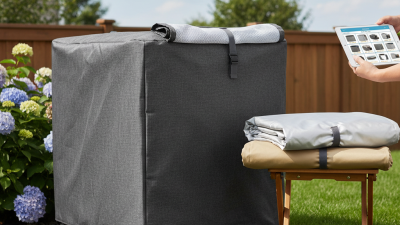
Choosing the right air conditioning cover is more than a matter of appearance. It protects valuable equipment from rain, dust, leaves, sunlight, and accidental damage. However, a poorly designed cover may trap moisture and reduce airflow. That can encourage corrosion, mold, or overheating.
This guide explains how to compare covers with practical, reliable criteria. Start with accurate measurements of your outdoor unit. Record its width, height, depth, and clearance around the vents. A loose cover can flap against the cabinet during strong wind. A tight cover may block essential ventilation. Neither option is ideal.
Material quality matters. Waterproof fabric sounds useful, but water resistance alone does not prove durability. Look for UV protection, reinforced seams, breathable panels, and secure fastening straps. A technician’s recommendation can help, especially in coastal or high-humidity areas. Manufacturer instructions should also be checked before covering the unit.
Seasonal timing deserves attention. Many covers are designed for inactive winter equipment, not continuous use during cooling season. Remove the cover before starting the air conditioner. Inspect the cabinet afterward for trapped moisture, insects, or damaged insulation. These small checks can prevent expensive repairs.
Some buying advice feels too simple. The cheapest cover may perform well, while an expensive model may fit badly. Brand reputation is helpful, but real measurements and warranty terms matter more. A perfect cover does not exist. The best choice balances protection, ventilation, fit, local weather, and regular inspection. That balanced approach makes the purchase safer and more dependable.
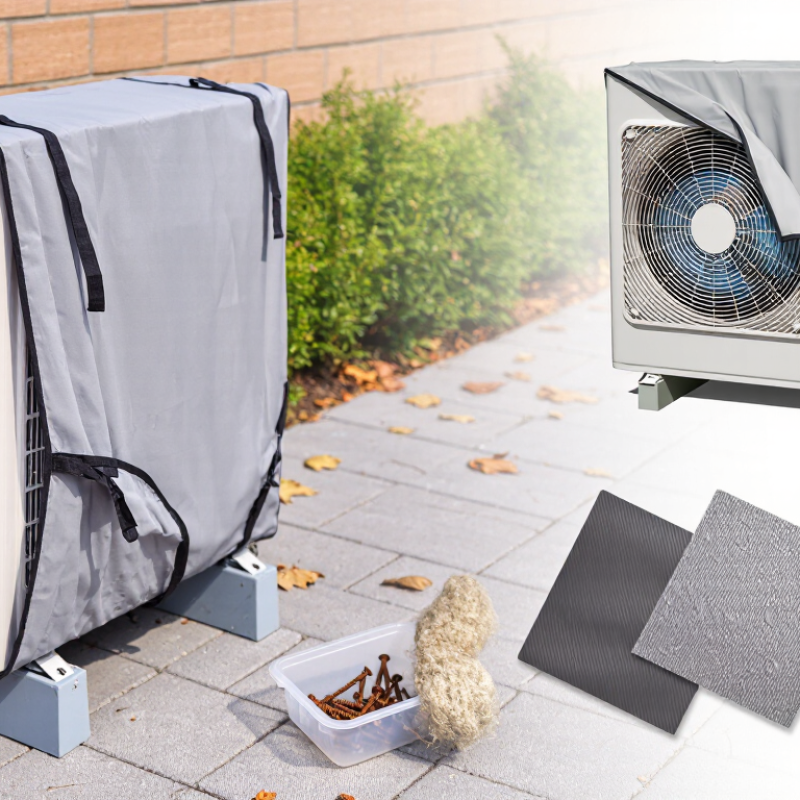
An air conditioning cover protects an outdoor unit when it is switched off. It helps block falling leaves, dust, ice, and small animal debris. A clean condenser can start more easily after a long winter. However, the cover should never restrict airflow during operation. Most outdoor units tolerate rain, but seasonal protection can reduce cleaning work. I once used a tight plastic sheet, and trapped moisture caused surface rust. That choice was not ideal.
You may need a cover in autumn, especially beneath trees or near dusty roads. It can also help during long periods of non-use. Choose a breathable, water-resistant material with secure straps and ventilation gaps. The cover should fit closely without pressing against coils or electrical parts. Avoid oversized covers that flap in strong wind. Check the unit’s manual before buying, because some systems need different protection.
Tips: Clean the unit before covering it. Let the metal dry completely. Remove the cover before turning the system on. Inspect it after storms for tears, loose straps, or trapped moisture. A cover is useful, but it cannot replace professional maintenance. I still think many homeowners cover units too early, then forget them until warm weather returns. Set a visible reminder near the thermostat.
Measure the equipment before comparing cover materials or prices. According to the U.S. Energy Information Administration’s 2020 Residential Energy Consumption Survey, 89% of U.S. homes use air conditioning. Outdoor units face rain, leaves, dust, and ice. A poorly fitted cover can shift, collect water, or trap moisture. Not every cover should be tight.
Switch the air conditioner off before measuring. Use a rigid tape measure, not a flexible string. Record the widest width, deepest depth, and highest point. Include control boxes, pipes, handles, brackets, and corner guards. Measure twice. A small error can create a frustrating fit. Measure the cabinet from several angles, because older units may not be perfectly square. Do not guess from the equipment’s advertised capacity.
Compare your measurements with the cover’s actual dimensions. The cover should protect the cabinet without pressing against fragile parts. It should also allow suitable airflow when the equipment operates. Never cover a running unit. The International Energy Agency’s The Future of Cooling report projects that global space-cooling demand could more than triple by 2050. That makes careful seasonal protection increasingly practical, although a cover cannot replace cleaning, inspection, or drainage checks. My own checklist would include a final visual test after installation: no stretched seams, loose corners, or trapped water.
Choosing an air conditioning cover is mainly a moisture-control decision. Material strength matters, but trapped water can damage coils, fasteners, and electrical areas. NOAA’s 2023 Billion-Dollar Weather and Climate Disasters report recorded 28 major U.S. weather events. That figure is not a cover study, yet it shows how often outdoor equipment faces severe exposure.
Solution-dyed polyester offers useful UV resistance and lighter handling. Vinyl-coated polyester usually provides stronger rain protection and abrasion resistance. However, a completely airtight cover may trap condensation beneath the fabric. A breathable laminated material can release vapor while blocking wind-driven rain. Look for documented testing under ASTM G154 for UV aging, AATCC TM22 for water repellency, or ISO 811 for water penetration. Marketing language alone is weak evidence. I still think many “waterproof” claims deserve closer inspection.
The IEA’s The Future of Cooling report projects global cooling electricity demand could rise from about 2,000 TWh in 2016 to 6,200 TWh by 2050. Protecting equipment between operating seasons therefore deserves practical attention. Choose a cover with sealed or reinforced seams, adjustable straps, and ventilation panels. A loose cover can flap against painted metal during storms. A tight cover can retain humidity. Leave clearance around drain areas, and never cover a wet unit. Before storage, dry the cabinet, remove leaves, and check for corrosion. Even good fabric fails when installation ignores airflow.
This comparison uses a relative performance index from 1 to 5, based on common material characteristics such as water repellency, moisture absorption, UV resistance, and resistance to outdoor temperature changes. Vinyl-coated polyester and polyethylene generally provide the strongest protection against rain and humidity, while breathable acrylic fabric can offer a useful balance between weather resistance and ventilation. A cover should fit securely and include ventilation to reduce condensation.
How to Choose the Best Air Conditioning Cover?
A good air conditioning cover must balance ventilation, protection, and easy handling. A sealed cover may block leaves, but it can trap moisture and encourage corrosion. During operation, never cover the outdoor unit with an airtight material. Airflow needs room to move through the coil and fan area.
The International Energy Agency reports that global space-cooling demand could more than triple by 2050. This makes efficient airflow increasingly important. ASHRAE Standard 62.1 also emphasizes suitable outdoor-air movement and ventilation design. Choose a cover with breathable, corrosion-resistant mesh and generous open areas. Check that the material does not press against the coil fins. It should also shield the unit from rain, snow, falling branches, and strong sunlight. A few extra centimeters of clearance can prevent rubbing and improve air circulation.
Ease of use matters more than many buyers expect. Look for secure straps, quick-release fasteners, and an opening for inspection. A cover that requires tools may be ignored during seasonal checks. I still find this easy to underestimate. A neat cover is not always a practical cover.
Tips: Measure the unit before purchasing. Check airflow while the system runs. Remove the cover before cooling season. Inspect damp seams, loose straps, and blocked vents every few weeks. If local weather is severe, ask a qualified technician to assess the installation.
How to Choose the Best Air Conditioning Cover?
Installing an air conditioning cover starts with the correct timing. Switch off the outdoor unit at the disconnect, then let the coil dry completely. Never cover a running condenser. A breathable, weather-resistant cover should fit firmly without crushing fins or blocking drainage. Measure the unit’s height, width, and depth before purchasing. My own mistake was choosing a tight cover; trapped moisture later left surface rust around the base.
The U.S. Department of Energy identifies cooling as a significant household energy use, while the U.S. Energy Information Administration reports that air conditioning represents about 19% of residential electricity consumption. Protection matters, but airflow matters more. During maintenance, remove leaves, check seams, and inspect the cover after heavy rain. The U.S. Environmental Protection Agency recommends checking or replacing air filters every one to three months. That indoor habit supports cleaner airflow, although it cannot repair outdoor corrosion. Small detail. Still important.
Replace the cover when stitching separates, water pools inside, or sunlight makes the fabric brittle. Check for rodent damage before reinstalling it each season. Keep vents uncovered and leave clearance around the cabinet. Do not tape the cover tightly to the unit. That shortcut can trap condensation. A licensed technician should inspect damaged wiring, refrigerant lines, or bent coils. Covers are simple accessories, yet poor installation can create expensive problems.
| Decision or Maintenance Area | Recommended Specification or Action | Why It Matters | Practical Check | Replacement Indicator |
|---|---|---|---|---|
| Cover Type | Choose a seasonal outdoor cover for a stationary outdoor condenser. Use a dust cover only when the indoor unit is switched off and not operating. | Different covers are designed for different locations and operating conditions. Covering an operating outdoor condenser can restrict airflow. | Confirm whether the unit is an outdoor condenser, window unit, or indoor air conditioner before purchasing. | Replace the cover if it no longer fits the intended unit or has been used for a different application. |
| Material | Use tightly woven, water-resistant fabric with UV resistance for outdoor storage. Breathable materials are preferable to completely airtight materials. | Water resistance helps protect against rain, while breathability allows trapped moisture to escape and reduces condensation. | Look for stated water resistance, UV resistance, reinforced seams, and ventilation features. | Replace when the fabric becomes brittle, faded, cracked, or permanently waterlogged. |
| Size and Fit | Measure the unit's width, height, and depth. Select a cover with enough room to slide on without excessive stretching, but avoid a loose cover that can flap in wind. | A correct fit reduces wind damage and prevents gaps that allow leaves, dust, and pests to enter. | Measure the widest and tallest points, including brackets, pipes, and other fixed components that the cover must accommodate. | Replace if seams are under constant tension, the cover slips off, or large openings remain around the unit. |
| Ventilation | Choose a cover with vents or a breathable construction for long-term outdoor storage. | Ventilation helps limit condensation, which can contribute to corrosion and mildew. | Check that vents are not blocked by walls, straps, leaves, or accumulated dirt. | Replace if vents are torn, permanently blocked, or no longer allow air circulation. |
| Fastening System | Prefer adjustable drawcords, buckles, or straps that secure the lower section of the cover. | Secure fastening helps prevent the cover from being displaced by wind and protects the fabric from excessive movement. | Fasten the cover snugly without compressing pipes, cables, or delicate components. | Replace damaged buckles, frayed straps, or stretched drawcords that cannot hold the cover securely. |
| Before Installation | Turn off the air conditioner and disconnect power according to the equipment instructions. Allow the outdoor unit to cool and dry before covering it. | Power isolation reduces electrical and mechanical hazards, while a dry surface helps prevent trapped moisture. | Check that the fan is stopped and that the unit is free from standing water, mud, and loose debris. | Do not install a cover over a wet, damaged, or actively leaking unit until the problem is addressed. |
| Installation Steps | Clean loose debris, place the cover evenly over the unit, align seams and vents, then tighten the fastening system around the lower portion. | Even installation prevents pressure points and helps maintain airflow around the cover's ventilation areas. | Confirm that the cover does not contact sharp edges, hot surfaces, moving parts, or electrical connections. | Reinstall or replace the cover if it twists, bunches, exposes the top, or blocks required clearances. |
| Operating Safety | Remove a seasonal cover completely before starting the outdoor air-conditioning unit. | A cover can obstruct airflow and may cause overheating, equipment damage, or unsafe operation. | Store the removed cover away from the unit and place a visible reminder near the controls if needed. | Replace a cover that has been damaged because the unit was accidentally operated while covered. |
| Routine Cleaning | Brush off leaves and loose dirt. Wash the cover with mild soap and clean water, then air-dry it fully before storage. | Regular cleaning helps preserve water resistance and prevents abrasive dirt from wearing the fabric. | Avoid bleach, harsh solvents, stiff wire brushes, and high-heat drying unless the care instructions specifically allow them. | Replace the cover if cleaning does not remove mildew stains, odor, or embedded contamination. |
| Inspection Frequency | Inspect before installation, after severe weather, and periodically during extended storage. | Early detection of tears, loose stitching, and pest entry points can prevent wider damage. | Examine seams, corners, fastening points, vents, and the underside of the cover. | Replace promptly when damage affects the cover's fit, weather resistance, or secure attachment. |
| Storage | Fold or roll the cover only after it is completely dry, and store it in a clean, dry location away from direct sunlight and rodents. | Dry, shaded storage helps reduce mildew, UV degradation, and pest-related damage. | Do not store the cover against damp concrete or in a sealed container while moisture is present. | Replace if storage damage causes persistent odor, holes, brittleness, or weakened seams. |
| End-of-Life Decision | Replace the cover when it no longer provides a secure fit, effective weather resistance, or safe ventilation. | A worn cover can create more risk than protection by trapping moisture or becoming detached in strong wind. | Compare the cover's current condition with its original fit, seam strength, fastening performance, and surface condition. | Immediate replacement is recommended for major tears, exposed insulation, failed fasteners, severe mildew, or fabric degradation. |