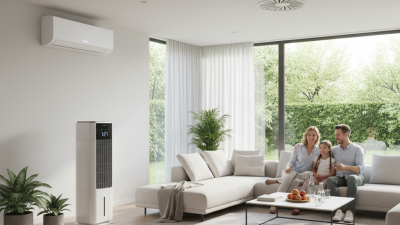
Domestic air conditioning is essential for modern comfort. It cools and dehumidifies indoor spaces, making living and working environments more pleasant. Understanding how it works can enhance your experience with this technology.
Domestic air conditioning systems operate through a cooling cycle. They use refrigerants to absorb heat and circulate it outside. This process relies on precise components that must work efficiently. Yet, many factors can affect performance. Regular maintenance is critical for optimal operation.
Homeowners often overlook some problems. Dust and debris can block filters, reducing airflow. Ignoring these issues can lead to higher energy bills. Additionally, selecting the right size unit is crucial for efficiency. An undersized or oversized unit can struggle to maintain the desired temperature. Investing time in understanding domestic air conditioning pays off in comfort and energy savings.
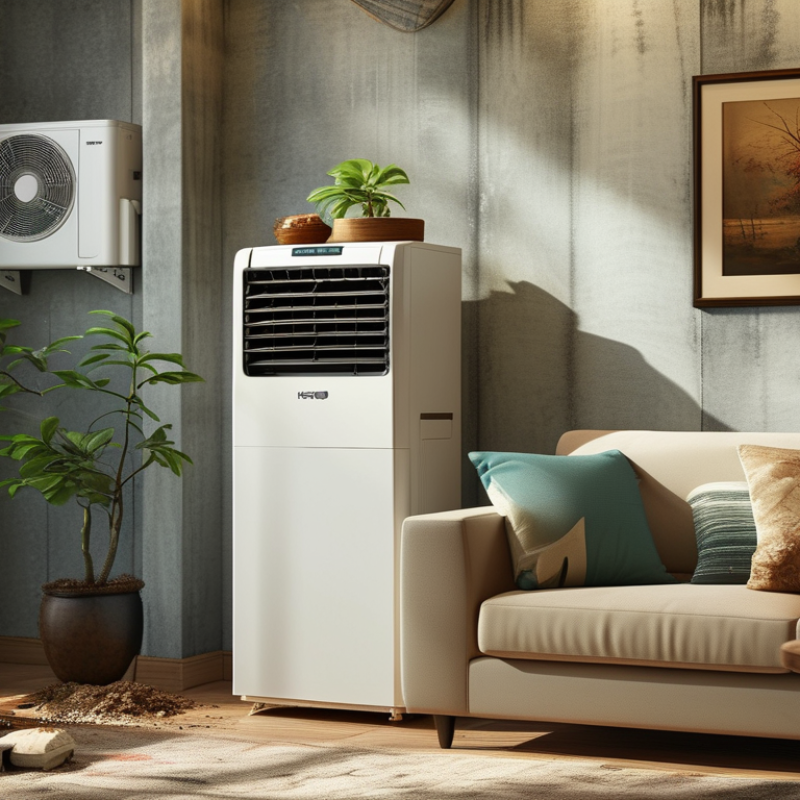
Domestic air conditioning is a system designed to control the temperature and humidity in our homes. It uses refrigeration techniques to remove heat from indoor air, providing a comfortable living environment. The process begins with the evaporator coil absorbing heat, which then circulates through the system, creating cool air.
Many households rely on these systems during hot summer months. However, not all setups operate efficiently. Air leaks and poor insulation can lead to energy loss. It's essential to regularly maintain your unit for optimal performance. Filters should be cleaned or replaced monthly to ensure clean airflow. If not addressed, a dirty filter can significantly reduce efficiency.
Despite the advantages of air conditioning, some challenges persist. Energy consumption can spike, leading to higher utility bills. People may also become too reliant on cooling systems, forgetting to explore natural ventilation methods. Understanding how your air conditioner works can help mitigate these issues while maximizing its benefits.
Domestic air conditioning systems consist of several key components that work together to maintain a comfortable indoor environment. The heart of these systems is the
compressor, which circulates refrigerant throughout the system. According to the U.S. Department of Energy, about
87% of American households use air conditioning. This highlights the importance of understanding how these systems operate.
Another crucial element is the evaporator coil, where refrigerant absorbs heat from the air inside your home. The efficiency of this process can vary significantly. A
well-maintained system can achieve a cooling efficiency rating (SEER) of 15 or higher,
whereas older models may only reach 8 or 10. The condenser unit, typically located outside, releases this absorbed heat into the environment, making it essential for proper airflow and placement.
Filters and ducts also play vital roles. Filters remove dust and allergens, contributing to indoor air quality.
Dirty filters can reduce efficiency by up to 15%. Additionally, duct leaks can result in energy losses of
20-30%. Recognizing these shortcomings can lead to better maintenance practices, which ultimately enhance system performance.
Regular checks and cleaning are essential for efficiency.
Air conditioning plays a vital role in modern homes. Understanding how it works reveals the science behind comfort. The cooling process begins with the refrigerant, a unique fluid that absorbs heat from the indoor air. This fluid circulates through a system of coils. As it moves, it changes from liquid to gas, absorbing heat energy in the process. This concept is backed by industry research indicating that residential air conditioning accounts for about 6% of total U.S. electricity use.
Compressors then play a critical role. They compress the refrigerant gas, raising its pressure and temperature. This hot gas moves to the outdoor coils, where it releases heat into the outside air. This process effectively cools the refrigerant as it converts back into a liquid. Research from the Department of Energy highlights that proper maintenance can enhance efficiency by up to 30%. However, many homeowners overlook regular checks. Neglecting these may reduce efficiency and increase energy costs.
The cooling process is a delicate balance. It requires an optimal refrigerant flow and precise temperature control. Most systems rely on thermostats to maintain desired temperatures. Yet, having an oversized unit can lead to rapid cycling, causing uneven temperatures. Data shows that almost 40% of homes have incorrectly sized air conditioning units. This issue highlights the need for professional assessments to ensure energy efficiency and optimal performance.
Domestic air conditioning systems come in various types, each designed to meet specific needs. Split systems are popular choices for homes. They consist of two main parts: an indoor unit and an outdoor condenser. This design allows for quiet operation and efficient cooling. Many homeowners prefer split systems for their flexibility in installation.
Central air conditioning is another common option. This system uses a network of ducts to distribute cool air throughout the entire home. While effective for larger spaces, it can be challenging to install in existing homes without ductwork. It's worth noting that central systems may require more energy, impacting utility bills.
Window and portable units are also available for smaller spaces. These systems are often less expensive and easier to install. However, they may not be as powerful or efficient as larger systems. Homeowners should reflect on their cooling needs, space, and budget before making a choice. Each system has its pros and cons, and understanding these factors is crucial for making the right decision.
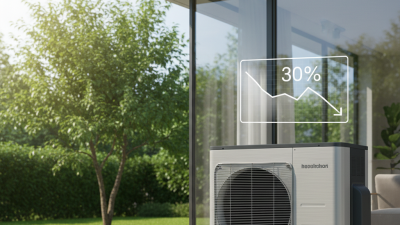
Proper maintenance of domestic air conditioning systems is crucial for optimal performance. Inefficient units can increase energy bills by up to 30%, according to the U.S. Department of Energy. This highlights the need for regular checks and servicing. Simple tasks like cleaning or replacing filters every month can significantly improve airflow and cooling efficiency. Dirty filters make the system work harder, leading to wear and tear.
Homeowners should also inspect the fins and coils. They can become clogged with dust and debris, resulting in reduced efficiency. Professional maintenance every year is recommended. Technicians can identify issues that may not be visible to the untrained eye. This not only extends the life of the unit but also ensures it operates safely. Not scheduling maintenance can lead to unexpected breakdowns, which are often more costly to repair.
Monitoring thermostat settings is another essential step. A programmable thermostat can save energy by adjusting the temperature when you're not home. Yet, many users leave settings unchanged, wasting energy. Awareness and proactive measures can lead to significant savings and a more comfortable indoor environment. Regular maintenance is an investment in your comfort and finances.
This bar chart illustrates the monthly energy consumption of a domestic air conditioning unit throughout the year. As observed, energy usage tends to peak during the summer months (June to August), reflecting higher demand for cooling. Maintenance tips can help improve efficiency and reduce overall energy consumption.