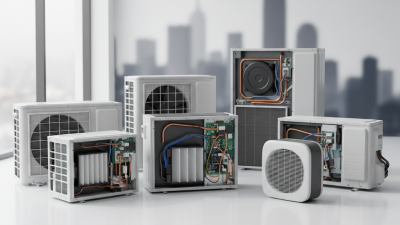
When choosing the best air conditioning systems, it's important to prioritize comfort and efficiency. Renowned HVAC expert John Smith once stated, "A reliable air conditioning system can transform your living space." His insight emphasizes the need for quality and performance when selecting an air conditioning solution.
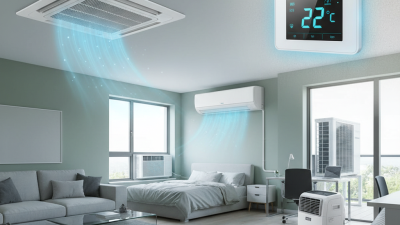
Homeowners should consider various options to match their specific needs. With advancements in technology, many air conditioning systems now offer energy efficiency and smart features. However, not all systems are created equal. Some may struggle to maintain consistent temperatures or produce excessive noise. Understanding these differences is crucial for making an informed choice.
The ideal air conditioning system should not only cool your home but also enhance your quality of life. Be mindful of installation costs and ongoing maintenance needs. Investing time in research pays off. A well-chosen air conditioning system brings comfort, but it requires thoughtful decision-making and consideration of your home’s unique characteristics.
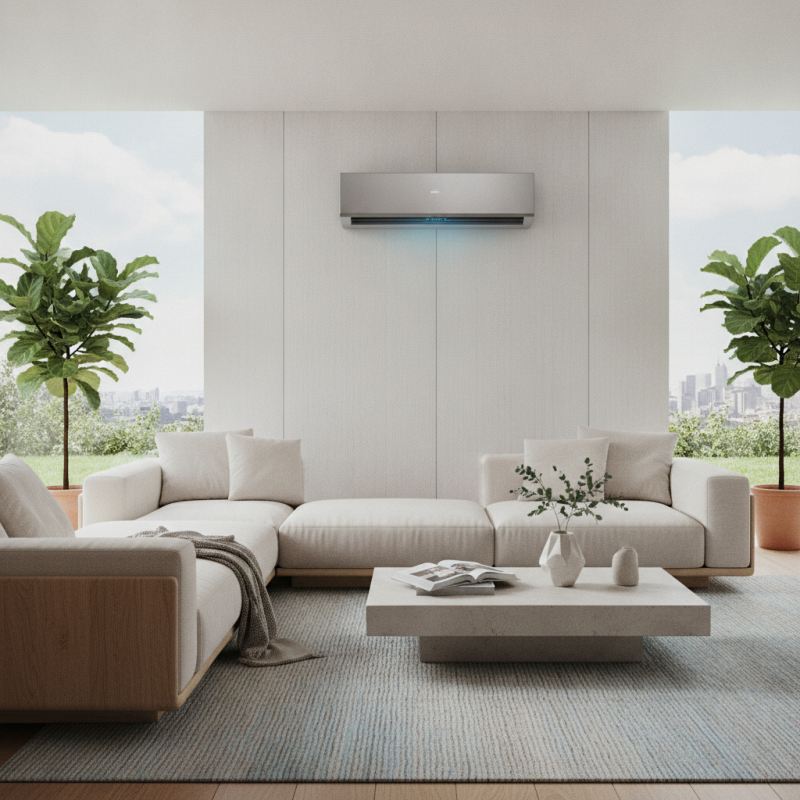
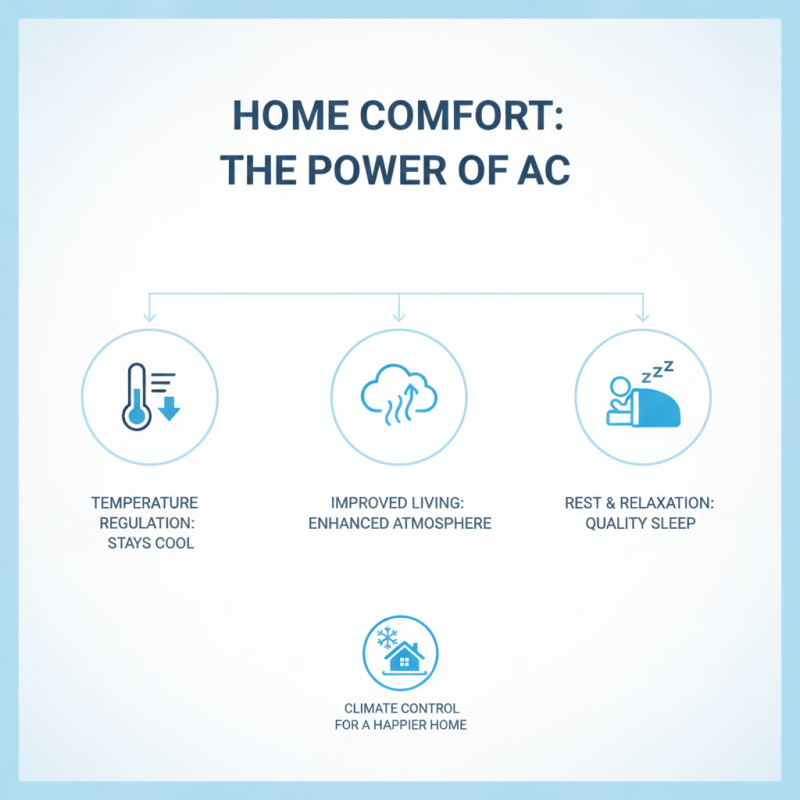
Air conditioning systems play a vital role in maintaining home comfort. Proper cooling can significantly impact the overall living environment. When temperatures rise, a reliable system can make life more enjoyable. It prevents heat-related discomfort, promoting a restful atmosphere.
Understanding the components of these systems is essential. Key elements include the compressor, evaporator, and condenser. Each part plays a specific role in cooling the air effectively. However, many homeowners overlook regular maintenance. When filters clog, efficiency drops. This neglect can lead to higher energy bills.
The right air conditioning system also improves indoor air quality. Effective units filter out pollutants and allergens. Poor air quality can cause various health issues, especially in sensitive individuals. While comfort is the primary concern, investing in quality systems is crucial. Choosing based on informed criteria can make a significant difference.
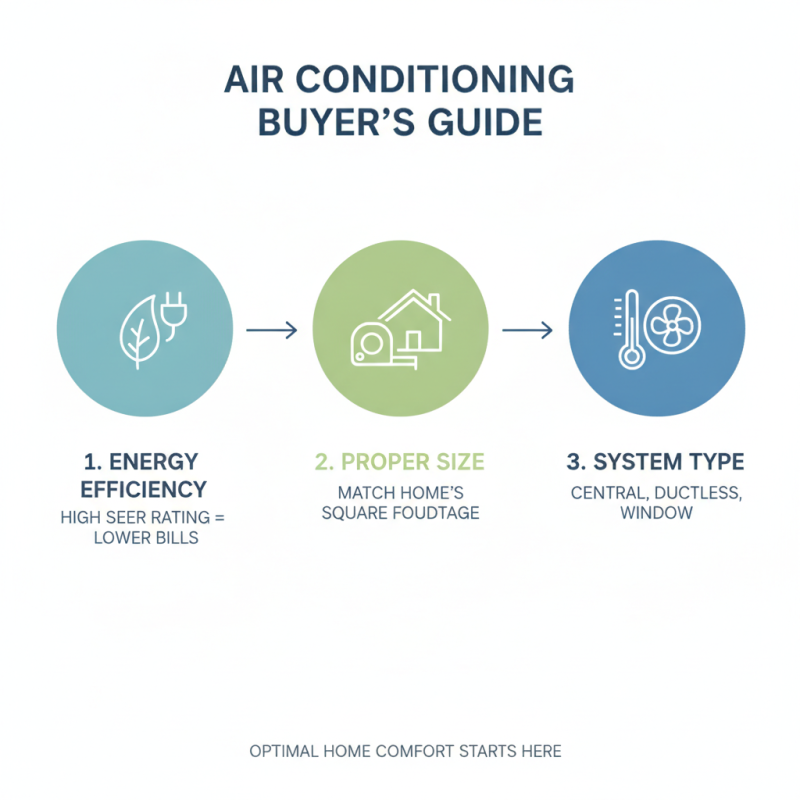
Choosing the right air conditioning system is crucial for optimal home comfort. Key features play a significant role in this decision. First, consider energy efficiency. Look for units with high SEER ratings. This indicates better performance and lower utility bills. Pay attention to the size of the unit. A system that's too large or too small can lead to inefficiencies.
Also, evaluate noise levels. Many newer systems operate quietly, enhancing comfort at home. If you prefer a peaceful environment, a quiet model is essential. Besides, smart technology is becoming popular. Features like programmable thermostats can help manage energy use effectively.
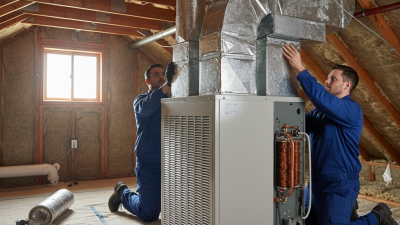
Tips: Always read user reviews to understand real-life performance. Installation quality matters too. A poorly installed unit can reduce efficiency and lifespan. Regular maintenance is crucial. Neglecting this can lead to costly repairs. Take your time to reflect on your needs before making a decision. Consider your home layout and what features are non-negotiable for you.
Choosing the right air conditioning system is crucial for optimal home comfort. Various industry reports highlight the importance of energy efficiency.
According to the U.S. Department of Energy, efficient systems can save homeowners up to 50% on cooling costs. Brands offering high
SEER (Seasonal Energy Efficiency Ratio) ratings are often the most recommended for their low operational costs.
When selecting a model, consider the size of your home. An oversized unit cools too quickly, failing to remove humidity effectively. Conversely, a unit that's too small will run constantly,
leading to wear and energy waste. Tips for effective cooling include regular maintenance. Clean or replace filters monthly. This simple task can enhance airflow and efficiency significantly.
Energy Star reports that a well-maintained system can boost overall performance by 15%.
Also, ensure your insulation is intact. Poor insulation can lead to significant energy loss. Seal any gaps and maintain your windows and doors. With thoughtful considerations, you can find a system that
not only cools your home but does so efficiently, maximizing comfort while minimizing costs.
When choosing an air conditioning system, energy efficiency is key. Many models come with a Seasonal Energy Efficiency Ratio (SEER) rating. Systems with higher SEER ratings use less energy. However, they may come with a higher initial cost. This is a long-term investment. Lower operating costs can lead to significant savings.
Tips: Regular maintenance ensures efficiency. Clean or replace filters every month. Check for leaks in ductwork. These simple tasks can enhance performance. It's easy to neglect these checks, but small actions matter greatly.
Also, consider your home’s insulation. Poor insulation increases energy consumption. You might invest in new insulation for big savings. If your home isn’t well-sealed, even the best air conditioning system will struggle. It’s important to evaluate the whole environment, not just the AC unit itself.
Tips: Use a programmable thermostat. This can reduce energy use by adjusting temperatures when you're not home. Think about the layout, too. An open floor plan may affect airflow. This could lead to uneven cooling. Awareness of these factors can lead to better overall comfort.
Maintaining an air conditioning unit is crucial for longevity and performance. Regular check-ups can prevent unexpected breakdowns. Simple tasks, like changing filters monthly, improve air quality and efficiency. A clean filter ensures better airflow, which reduces strain on the system. Neglecting this can lead to higher energy bills and reduced cooling efficiency.
Check your outdoor unit regularly for debris. Leaves, dirt, and branches can obstruct airflow. Clear any obstacles to promote better performance. Moreover, scheduling professional maintenance at least once a year can catch issues early. Technicians can inspect coolant levels and electrical components. This helps avoid costly repairs later on.
Pay attention to unusual noises or smells from your unit. They can indicate underlying problems. Addressing these quickly can save you time and money. Keep an eye on your thermostat settings as well; incorrect settings can lead to inefficiencies. Regular maintenance isn’t just necessary; it's key to sustained comfort in your home.
| Rank | AC System Type | Cooling Capacity (BTU/hr) | Energy Efficiency Ratio (EER) | Price Range ($) | Maintenance Frequency |
|---|---|---|---|---|---|
| 1 | Central AC | 24000 | 14 | 3000 - 8000 | Annual |
| 2 | Ductless Mini-Split AC | 18000 | 16 | 2000 - 5000 | Bi-annual |
| 3 | Window AC | 12000 | 12 | 150 - 600 | Annual |
| 4 | Portable AC | 14000 | 10 | 250 - 800 | Annual |
| 5 | Smart AC | 20000 | 15 | 700 - 1200 | Annual |
| 6 | Geothermal AC | 30000 | 18 | 8000 - 25000 | Annual |
| 7 | Evaporative Cooler | 15000 | Varies | 200 - 1000 | Annual |
| 8 | Hybrid AC | 24000 | 17 | 5000 - 15000 | Annual |
| 9 | Central Heat Pump | 30000 | 19 | 7000 - 20000 | Annual |
| 10 | High-Velocity AC | 24000 | 15 | 6000 - 15000 | Annual |