Top 10 Air Conditioning Types You Need to Know?
Air conditioning has become essential in our daily lives. With summer temperatures rising, choosing the right system is crucial. Understanding different air conditioning types can help you make informed decisions.
There are various systems available, each with unique features. Some are designed for efficiency, while others prioritize cost-effectiveness. When selecting a system, consider your needs and home layout.
Investing in quality air conditioning ensures comfort and health. Yet, it's vital to reflect on your long-term needs. Different climates may demand different solutions. Familiarizing yourself with the options available will help you find the best fit for your environment and air conditioning requirements.
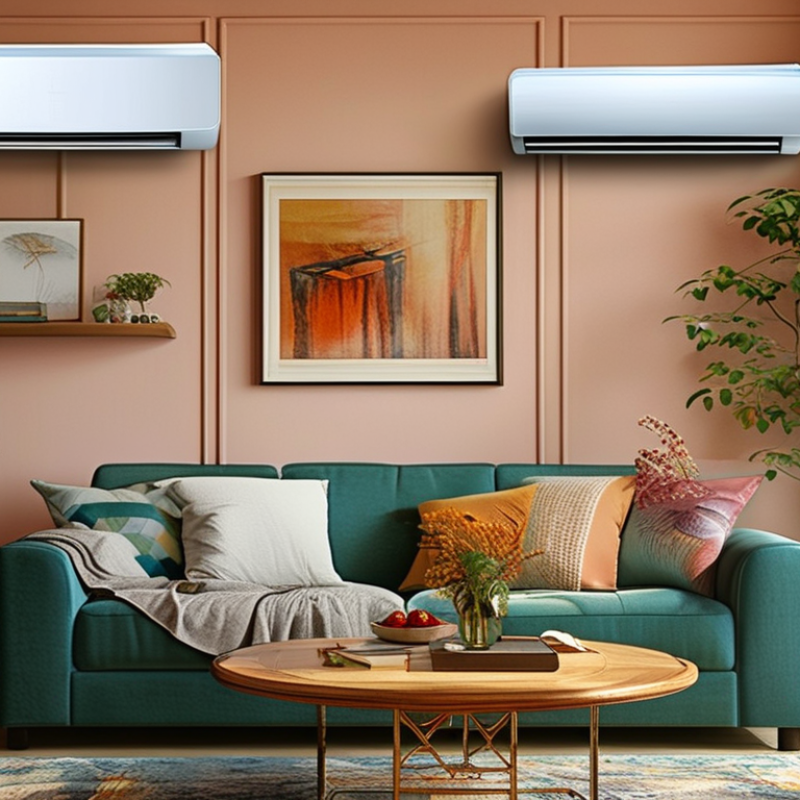
Central Air Conditioning: Overview and Benefits
Central air conditioning systems play a crucial role in maintaining indoor comfort. These systems are designed to cool the entire home efficiently. According to the U.S. Department of Energy, central air conditioning can lower indoor temperatures significantly, providing relief during hot summer months. While installation can be costly, many homeowners find it worthwhile due to energy savings over time.
One key benefit of central air conditioning is its ability to filter air as it cools. This can lead to improved indoor air quality. A study from the Environmental Protection Agency found that air conditioning can reduce indoor pollutants by 30-50%. Additionally, central systems are less noisy than window units. They operate quietly, which can be a major advantage for families or anyone seeking peace.
Proper maintenance is essential. Regularly checking filters keeps the system running efficiently. Ensure ducts are sealed to avoid energy loss. Maintaining the right temperature setting, ideally around 78°F, can also optimize efficiency. Consider scheduling annual inspections. This can help identify issues before they become major problems. Regular upkeep not only maximizes performance but also extends the lifespan of your system.
Top 10 Air Conditioning Types You Need to Know
| No. | Type | Overview | Benefits |
|---|---|---|---|
| 1 | Central Air Conditioning | Uses ducts to distribute cooled air throughout the home. | Even cooling, energy efficiency, and can provide heating. |
| 2 | Ductless Mini-Split | No ductwork required; uses an outdoor compressor and indoor air-handling units. | Flexible installation options, energy-efficient, and quiet operation. |
| 3 | Window Air Conditioner | Installed in a window and cools a single room. | Cost-effective, portable, easy installation. |
| 4 | Portable Air Conditioner | Standalone unit that can be moved from room to room. | Easy to install, affordable, and space-efficient. |
| 5 | Evaporative Cooler | Uses water evaporation to cool the air and is especially effective in dry climates. | Energy-efficient, environmentally friendly, and lower operating costs. |
| 6 | Hybrid Air Conditioners | Combines traditional combustion with electric heat pump systems. | Energy efficiency, reduced energy costs, and adaptive temperature control. |
| 7 | Geothermal Heat Pumps | Extracts heat from the ground for heating and cooling. | Highly energy-efficient and long lifespan. |
| 8 | Smart Air Conditioners | Wi-Fi enabled units that can be controlled remotely via mobile apps. | Convenient control, energy-saving features, and programmable settings. |
| 9 | Self-Contained AC Units | Cooling systems that have all components enclosed in one box, typically installed in windows or through walls. | Simplified installation and compact design. |
| 10 | Chilled Beam Systems | Uses water to cool spaces, typically in commercial buildings. | Energy-efficient and reduces the need for traditional air conditioning systems. |
Related Posts
-

How to Maintain Your Air Conditioning System for Optimal Performance?
-

What is Air Conditioning Systems? Types, Benefits, and How They Work
-

China Top Air Conditioning Solutions for Global Buyers?
-

How to Choose the Best Air Conditioning Systems and Services for Your Home
-
Why Air Conditioning is Essential for Your Business Success?
-
10 Best Residential Air Conditioning Installation Tips for Homeowners