Choosing a home cooling system in 2026 is less about finding one universal winner and more about matching equipment to the house. The main residential air conditioner types include central split systems, ductless mini-splits, heat pumps, packaged units, and window or portable models. Each handles airflow, installation, and room coverage differently. A central system can cool several rooms through existing ducts, while a mini-split uses indoor units connected to an outdoor compressor. Small details matter. A shaded bedroom may need less cooling than a sunlit upstairs room.
This guide compares these options through practical factors: home layout, energy use, installation needs, noise, maintenance, and upfront cost. It also explains where each system tends to fit, without assuming that the newest or most powerful model is automatically the best choice. Efficiency ratings can help, but actual performance depends on correct sizing, installation quality, insulation, and local weather. A qualified HVAC professional can assess those conditions and explain trade-offs before a purchase. There is no perfect fit. Even a well-matched system may require adjustments as household needs change. Readers should treat product specifications as a starting point, then verify current details with manufacturers and installers. The right choice is the one that cools the spaces you use, suits your budget, and can be maintained reliably.
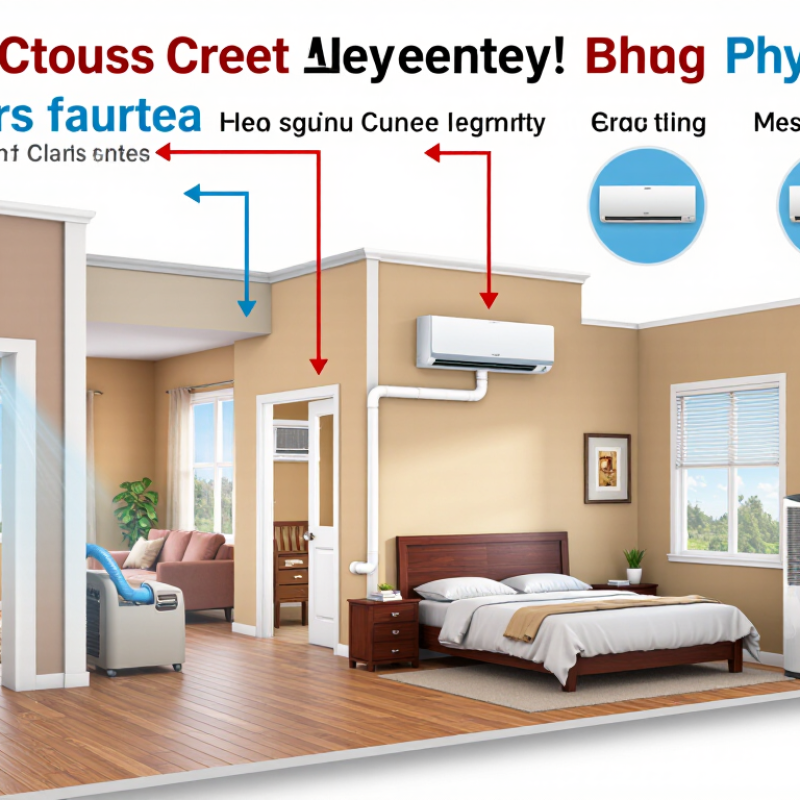
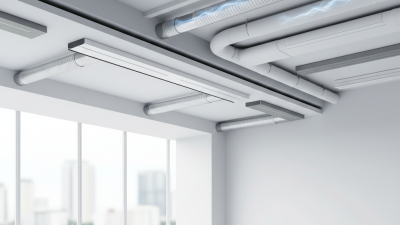
Residential air conditioners are easiest to classify by how they move cooled air and where their main components sit. A central split system has an outdoor condenser and an indoor coil connected to a furnace or air handler. Ducts carry cool air through rooms, so leaky or poorly balanced ducts can affect comfort. The thermostat may show one setting, while a sunny upstairs bedroom still feels warm.
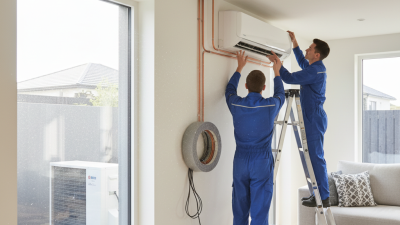
A ductless mini-split also uses indoor and outdoor units, but it sends refrigerant directly to room-mounted heads instead of relying on ducts. Multiple indoor units can serve separate zones. This can suit additions or homes without existing ductwork, though head placement and airflow deserve careful planning. That distinction matters. Window and portable units are room air conditioners: they cool a limited area, and portable models typically vent warm air through a window hose.
Some homes use a packaged system, with major cooling components housed together in one outdoor cabinet and air distributed indoors through ducts. Classification can get blurry: a heat pump may look like a split system, yet it can also provide heating by reversing its operation. For a practical comparison, check the equipment layout, duct arrangement, and whether heating is included. Those details reveal more than the label alone.
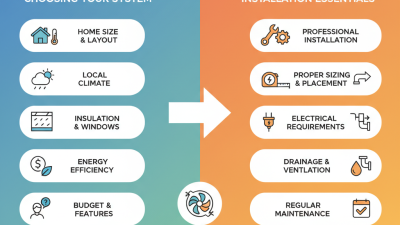
Residential air conditioners in 2026 generally fall into four practical types: central split systems, ductless mini-splits, heat pumps, and room units. The right choice depends on the home’s layout, insulation, climate, and existing equipment. A qualified HVAC technician can estimate cooling load; choosing by floor area alone can leave rooms uncomfortable.
Central systems cool several rooms through ducts and discreet ceiling or floor vents. They suit homes with usable ductwork, but leaky ducts can waste energy in hot attics. Ductless mini-splits connect an outdoor unit to one or more indoor heads. They work well for additions or rooms without ducts, though visible wall units may not suit every interior. Heat pumps can provide both cooling and heating, using a reversing cycle to move heat. Many are ducted, while others use ductless heads.
Window units and portable air conditioners offer simpler, room-by-room cooling. A window unit sits in a window opening; a portable model usually vents through a hose to a window panel. Setup is less involved, but these units generally cool limited areas and can be noisy. No type wins everywhere. A shaded bedroom, an open-plan living room, and a poorly insulated upstairs space may need different solutions, and that nuance is easy to overlook.
| System Type | How It Works | Ductwork Required? | Typical Coverage | Efficiency Measurement | Best Suited For | Main Considerations |
|---|---|---|---|---|---|---|
| Central split air conditioner | An outdoor condenser and compressor connect to an indoor evaporator coil. A blower distributes cooled air through supply ducts. | Yes. The home needs compatible ductwork. | Multiple rooms or an entire home, depending on system sizing and duct design. | Seasonal cooling efficiency is commonly reported as SEER2; some equipment also lists EER2. | Homes with existing, appropriately sized ducts and a need for whole-home cooling. | Duct leakage, poor insulation, or incorrect sizing can reduce comfort and efficiency. Installation usually involves more work than a room unit. |
| Ductless mini-split air conditioner | An outdoor unit connects to one or more indoor units through refrigerant lines and electrical wiring. | No air-distribution ducts are needed. | One room with a single-zone system, or several rooms with a multi-zone system. | Cooling efficiency is commonly reported as SEER2; heating performance may also be listed as HSPF2 on heat-pump models. | Homes without ducts, additions, converted spaces, and households seeking room-by-room temperature control. | Indoor units are visible on walls or ceilings. Multi-zone performance depends on equipment configuration and operating conditions. |
| Window air conditioner | A self-contained unit sits in a window or a purpose-built wall opening, with components on both sides of the opening. | No. | Usually one room or a small open area; coverage depends on unit capacity and room conditions. | Energy efficiency is commonly shown as CEER on applicable room air conditioners. | Small homes, apartments, individual rooms, or supplemental cooling where a permanent central system is not practical. | Requires a suitable opening and secure support. It cools the room where it is installed rather than distributing air throughout a home. |
| Portable air conditioner | A movable, self-contained unit typically exhausts warm air outdoors through a hose fitted to a window panel. | No permanent ductwork, but an exhaust hose and suitable window opening are generally required. | Primarily the room in which the unit is placed. | Cooling capacity may be stated using DOE Seasonally Adjusted Cooling Capacity (SACC); ratings should be compared on the same basis. | Temporary cooling, rental homes, or rooms where a window unit cannot be installed. | Needs space for the unit and hose. Single-hose designs can draw replacement air into a room; actual comfort depends on room conditions and installation. |
| Air-source heat pump | Moves heat between indoors and outdoors. In cooling mode it operates like an air conditioner; in heating mode it reverses the heat-transfer process. | It may use ducts, or be installed as a ductless mini-split. | One room, multiple zones, or a whole home, depending on system design. | Cooling performance is commonly rated with SEER2; heating performance may be rated with HSPF2. | Homes that need both cooling and electric heating from one system, including many ducted and ductless applications. | Heating output and efficiency vary with outdoor temperature and equipment design. Correct sizing and climate-appropriate selection matter. |
Comparison note: Ratings such as SEER2, EER2, CEER, SACC, and HSPF2 measure different aspects of performance and should not be compared directly across unlike system types. Actual comfort, energy use, and suitable capacity depend on climate, room or home size, insulation, installation quality, and operating habits.
Central split air conditioners move heat from indoors to outdoors through refrigerant lines. An indoor coil connects to ducts, distributing cooled air across the home. This system often suits houses with existing ductwork and several rooms to cool. The U.S. Energy Information Administration’s 2020 Residential Energy Consumption Survey found that about 88% of U.S. households used air conditioning; central systems were the most common type. But ducts can leak or carry heat through unconditioned spaces.
Ductless mini-splits use an outdoor unit linked to one or more indoor units. They can cool separate rooms without adding ducts, making them practical for additions or older homes. Heat pumps use the same basic process, but reverse it to provide heating. The U.S. Department of Energy says a heat pump can use up to 75% less electricity for heating than electric resistance heating. Results still depend on climate, sizing, and installation. That detail matters.
Window units place the cooling components in one frame, while portable units sit indoors and vent hot air through a window hose. Both can serve a single room where central cooling is impractical, though portable models take up floor space. The DOE’s Energy Saver guidance describes room air conditioners as options for cooling individual spaces. Their fit is simple, but not always quiet. Choosing a system by purchase price alone can miss comfort differences, uneven room temperatures, and future heating needs.
Typical cooling-capacity ranges and where each system fits
Capacity ranges are typical examples, not limits; actual sizing depends on the home, climate, and model. Portable-unit capacity is shown using the DOE SACC rating, while the other ranges are nominal cooling capacities.
Residential air conditioners differ most in upfront cost, operating efficiency, and installation work. Central systems cool multiple rooms through ducts, making them convenient for homes that already have suitable ductwork. Replacing an existing unit is usually simpler than adding ducts to an older house. That can change the budget considerably. A contractor should check duct leaks and airflow, not just the equipment size.
Ductless mini-splits typically cost more to install than a basic window unit, but they can cool separate rooms without new ducts. Their outdoor unit connects to indoor units through a small wall opening. Inverter-driven models can adjust output, which may reduce energy use when matched carefully to the space. Heat pumps also provide heating, though performance depends on climate and model specifications. Compare efficiency ratings, but remember that poor sizing or installation can undermine them.
Window and portable units usually have lower initial costs and suit a single room or temporary need. Window models generally discharge heat outdoors directly; portable models need an exhaust hose, often through a window panel. They are not ideal for whole-home cooling. Measure the room, check the window, and consider noise and electrical capacity before buying. Real costs vary by region, home layout, and required electrical or ductwork changes. Even a neat-looking installation can disappoint if airflow is wrong.
Choosing an air conditioner starts with the house, not the product category. A ducted central system can cool several rooms evenly when ducts are sealed and sized correctly. If ducts are absent, leaky, or cramped, installation may add cost and reduce efficiency. A ductless mini-split suits additions, converted garages, or homes where room-by-room control matters. Its indoor head needs a clear wall and regular filter cleaning.
For one small room, a window unit may be practical if the frame supports it and the opening seals tightly. Portable units need floor space and an exhaust hose routed through a window; expect some noise near the bed. Check the panel.
Heat pumps can provide cooling and heating, but cold-weather performance depends on the model and local climate. Ask an installer to assess insulation, sun exposure, and electrical capacity before sizing equipment. Oversizing is not a harmless shortcut: a system may cool quickly while leaving humidity behind.
Compare total installed cost, maintenance access, and noise—not just rated efficiency. Measure twice. A quiet bedroom system may matter more than extra capacity, while a sunny open-plan room may need a different setup.
Request a written load calculation rather than relying on square footage alone. Treat estimates as estimates: shaded windows, air leaks, and daily occupancy can change comfort more than expected.