2026 Top Types of Home Air Conditioning Systems?

Choosing among the 2026 top types of home air conditioning systems requires more than comparing cooling capacity. Room size, insulation, humidity, electricity prices, noise, and local climate can change the best answer. A sleek ductless mini-split may cool a renovated apartment efficiently. A variable-speed central system may suit a tightly sealed family home. Heat pumps deserve attention, too, especially where efficient heating and cooling share one outdoor unit.

The International Energy Agency’s The Future of Cooling report projects that global air-conditioner ownership could reach 5.6 billion units by 2050. The U.S. Energy Information Administration also reported that air conditioning was used in about 89% of American households in 2020. These figures show demand, but they do not prove that larger systems are better. Oversized equipment can cycle frequently, waste energy, and leave rooms feeling damp.

Building scientist Allison A. Bailes III repeatedly stresses a practical principle: “The best HVAC system is the one that is properly designed and installed.” That idea should guide this article. Manufacturer efficiency ratings matter, but commissioning, duct sealing, airflow, and filter maintenance matter just as much. Honestly, no single system wins everywhere. Even expert recommendations can miss a home’s shading, occupancy, or weak insulation. This guide examines central air, ductless mini-splits, packaged units, window systems, and modern heat pumps. The goal is not to chase a perfect ranking. It is to identify the system that fits the building, budget, and daily comfort needs most reliably.
2026 Top Types of Home Air Conditioning Systems?

How Home Air Conditioning Systems Work and What Defines Their Main Types

Home air conditioning systems remove indoor heat rather than creating cold air. The indoor coil absorbs heat from room air, while refrigerant carries that heat outdoors. The compressor then raises the refrigerant’s pressure and temperature. At the outdoor coil, heat leaves the system. A fan circulates the cooled air back inside.

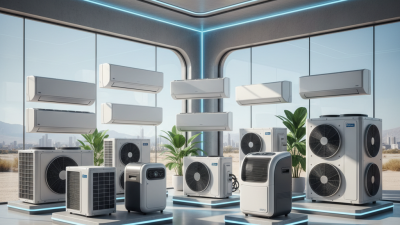
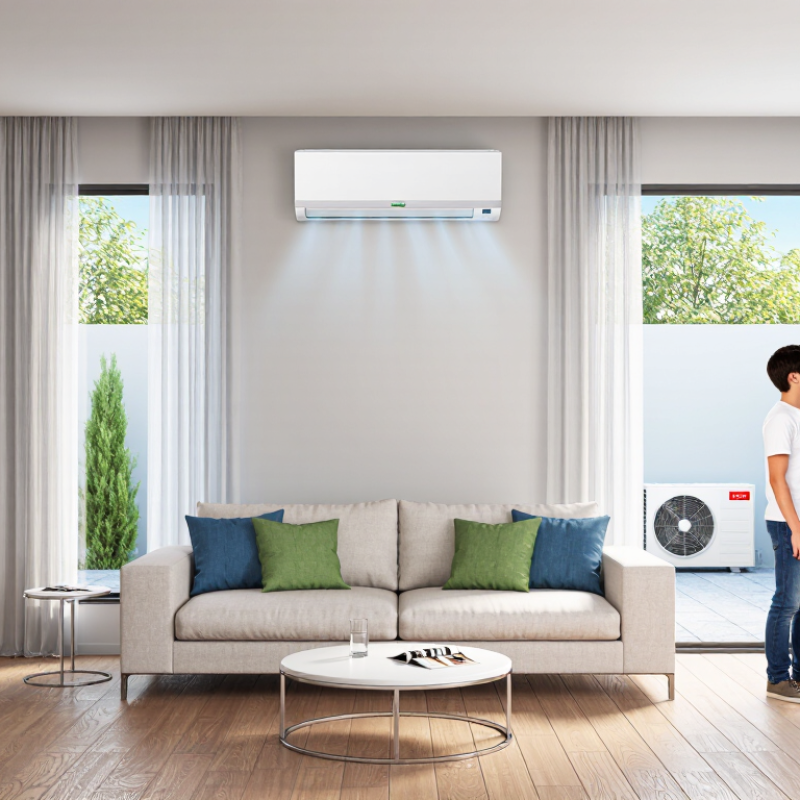
The main types differ in layout and airflow. A central split system uses indoor and outdoor units connected by refrigerant lines and ducts. It suits homes with existing ductwork. A ductless mini-split sends conditioned air through wall-mounted indoor units. It works well for additions, older homes, or rooms with uneven temperatures. A packaged system places major components outdoors in one cabinet. Window and portable units serve smaller spaces, but they usually cool less evenly. In my experience, installation quality matters as much as the equipment type. A slightly imperfect comparison is useful: the “best” system can perform poorly when ducts leak or the unit is oversized.

Tips: Check insulation, window exposure, and room size before choosing a system. Ask for a load calculation, not a guess based only on floor area. Keep return vents clear, replace filters regularly, and inspect condensate drains before humid weather. Listen for rattling or short cycling. These signs may indicate airflow, drainage, or sizing problems. Always use a qualified technician for refrigerant work and electrical connections.

Central Air Conditioning: Whole-Home Cooling Through Ductwork

Central Air Conditioning: Whole-Home Cooling Through Ductwork

Central air conditioning cools an entire home through a connected network of supply and return ducts. A compressor and outdoor coil release heat outside, while the indoor coil removes heat from circulating air. Cool air then travels through ceiling, wall, or floor registers. The return grille pulls warmer air back toward the system.

The result feels even when the duct design is sound. Room by room. However, comfort depends on more than equipment size. A qualified technician should calculate the home’s cooling load before installation. An oversized system may cool quickly but remove too little humidity. That can leave bedrooms feeling clammy. Undersized equipment may run for hours during a hot afternoon, increasing wear and electricity use.

During practical inspections, technicians often find loose duct joints, crushed flexible ducts, or weak insulation in attics. These defects waste cooled air before it reaches living spaces. A clean filter also matters. A blocked filter restricts airflow and can strain the indoor fan. Many homeowners replace filters late because the system still appears to work. That assumption is understandable, but risky.

A dependable installation includes balanced airflow, sealed ducts, correct refrigerant charge, and accessible service panels. Zoning controls can improve comfort when upper floors heat faster than lower rooms. Still, zoning adds components and maintenance needs. The best design is not always the most elaborate one. It is the design that matches the home, climate, occupants, and budget.

Ductless Mini-Split Systems: Flexible Zoning for Individual Rooms

2026 Top Types of Home Air Conditioning Systems

Ductless Mini-Split Systems: Flexible Zoning for Individual Rooms

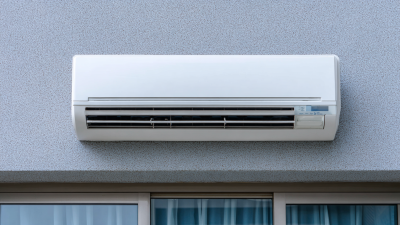
Ductless mini-split systems suit homes where extending ductwork is expensive, disruptive, or physically impossible. They connect an outdoor condenser to indoor air handlers through a narrow wall opening. Each room can receive its own thermostat and schedule. That creates practical zoning. A bedroom may stay cool at night, while an unused study uses less energy. This control may improve comfort without conditioning the whole house.

Correct sizing matters more than many homeowners expect. A qualified technician should assess room dimensions, window exposure, insulation, ceiling height, and local climate. An oversized unit can cool quickly but cycle poorly, leaving the room damp. An undersized unit may run constantly during a hot afternoon. Neither result is ideal. Indoor heads also need clear airflow, not a shelf or curtain blocking the outlet.

Regular filter cleaning keeps airflow steady and protects indoor air quality. Outdoor coils need space, shade, and occasional debris removal. Some newer systems provide heating, but performance can weaken during severe cold. Homeowners should check low-temperature ratings and backup heating needs before installation. Wall-mounted units are efficient, yet their appearance may require adjustment. I would not treat zoning as a perfect solution; open doors, sunlit rooms, and uneven insulation can still create uncomfortable temperature differences.

2026 Top Types of Home Air Conditioning Systems? - Ductless Mini-Split Systems: Flexible Zoning for Individual Rooms

System Type or Configuration Typical Home Application Typical Cooling Capacity Indoor Units / Zones Key Advantages Important Considerations
Single-Zone Wall-Mounted Mini-Split One bedroom, home office, studio, garage, or room addition Approximately 6,000–24,000 BTU/h 1 indoor unit and 1 outdoor unit Lower installation complexity, independent temperature control, and no ductwork required One unit generally serves one primary space; correct sizing is essential for humidity control and comfort
Multi-Zone Mini-Split Homes with several rooms requiring different temperature settings Approximately 18,000–48,000 BTU/h outdoor capacity, depending on design Usually 2–5 indoor units connected to one outdoor unit Room-by-room zoning, reduced ductwork, and fewer outdoor units than separate single-zone systems All indoor units connected to the same outdoor system may have operating-mode limitations; professional load calculations are recommended
Ceiling Cassette Mini-Split Open-plan rooms, finished basements, offices, and spaces with accessible ceiling cavities Approximately 9,000–42,000 BTU/h One unit per zone; available in single- and multi-zone designs Distributes air in multiple directions and leaves wall space available for furniture or windows Requires ceiling access, condensate drainage, and sufficient structural clearance; installation can be more involved
Floor-Mounted Mini-Split Rooms with limited wall height, knee-wall areas, or users who prefer lower air discharge Approximately 9,000–18,000 BTU/h Typically 1 indoor unit per zone Easy access for cleaning and servicing, with effective heating and cooling near floor level Uses floor or low-wall space and may be obstructed by furniture, curtains, or storage
Concealed-Duct Mini-Split Several adjacent rooms where a discreet appearance is preferred Approximately 18,000–48,000 BTU/h One concealed indoor unit can serve multiple nearby outlets; zoning depends on the design Very low visual impact and more even distribution than a single exposed wall unit Uses short duct runs, so it is not completely duct-free; access for filters, drains, and service must be planned
Heat-Pump Mini-Split Homes needing both summer cooling and winter heating, especially in moderate climates Approximately 6,000–48,000 BTU/h, depending on the number of zones Single-zone or multi-zone configurations Provides cooling and heating in one system, with inverter-driven capacity adjustment and room-level control Cold-weather performance varies by model; verify low-temperature capacity, defrost behavior, and backup-heating needs
Ceiling-Suspended Mini-Split Large rooms, workshops, retail-style spaces, or areas without usable wall and ceiling cavities Approximately 18,000–48,000 BTU/h Usually 1 indoor unit per zone Suitable for high ceilings and open spaces; installation does not require a dropped ceiling More visible than recessed options and requires secure structural mounting above the occupied space

Data note: Capacity ranges are general market ranges, not performance guarantees. Actual selection should be based on a room-by-room heating and cooling load calculation, local climate, insulation, solar exposure, ceiling height, and required efficiency ratings. Efficiency values such as SEER2, EER2, and HSPF2 vary by model and should be verified through current certified product data.

Heat Pumps and Hybrid Systems: Cooling With Year-Round Efficiency

2026 Top Types of Home Air Conditioning Systems?

Heat Pumps and Hybrid Systems: Cooling With Year-Round Efficiency

Heat pumps provide cooling in summer and heating in winter through one outdoor unit. Unlike conventional air conditioners, they reverse the refrigerant cycle when temperatures fall. On mild winter mornings, the system can deliver steady warmth without burning fuel. Small comfort changes matter.

An experienced technician should complete a room-by-room load calculation before recommending equipment. This prevents short cycling, uneven temperatures, and unnecessary energy use. Correct sizing matters more than impressive capacity numbers. An oversized unit may cool quickly but remove less humidity. Not always comfortable.

Hybrid systems combine a heat pump with a secondary heating source. When outdoor temperatures drop sharply, intelligent controls can select the more practical option. This may reduce electrical demand while preserving indoor comfort. However, control settings need careful adjustment for local weather and utility rates.

During a professional assessment, check insulation, duct sealing, airflow, and thermostat placement. Clean filters support efficient operation, while blocked outdoor coils can restrict heat transfer. I have found that homeowners often focus on equipment and overlook airflow problems. No design is perfect. Seasonal servicing and realistic expectations remain essential. A heat pump may need backup support during extreme cold, especially in older, drafty homes.

2026 Top Types of Home Air Conditioning Systems

Heat Pumps and Hybrid Systems: Cooling With Year-Round Efficiency

Seasonal efficiency ratings show why heat pumps and dual-fuel hybrid systems are increasingly attractive for year-round comfort. SEER2 represents seasonal cooling efficiency, while HSPF2 represents seasonal heating efficiency. Values are representative residential ratings; actual performance varies with climate, equipment sizing, installation quality, and operating conditions.

Window, Portable, and Evaporative Coolers: Compact Alternatives Compared

Window, Portable, and Evaporative Coolers: Compact Alternatives Compared

Window units remain practical for one room. They seal tightly in a sash window and usually cool faster than portable models.

Portable coolers roll across floors, but their exhaust hose needs a nearby window. Poor sealing can leak warm air back inside.

The U.S. Department of Energy warns that portable air conditioners often have lower effective capacity than their labels suggest. That detail is easy to miss.

Evaporative coolers use water instead of conventional refrigeration. They consume far less electricity, and DOE guidance places usage near one-quarter of comparable central air-conditioning energy.

However, they work best in dry climates. Humid rooms may feel sticky, not refreshed.

The 2020 U.S. Energy Information Administration Residential Energy Consumption Survey found air-conditioning access in 89% of American homes. Meanwhile, the International Energy Agency projects global air-conditioner stock could reach 5.6 billion units by 2050.

Compact cooling will matter, but efficiency claims need careful context.

Tips:

Measure the room and window opening first. Check the unit’s tested cooling capacity, not only its headline rating. Clean filters regularly. Keep portable exhaust hoses short and straight. Evaporative models need fresh water and ventilation. I have found that a quiet fan can matter more than a small efficiency gain at night. That is not universal. Room layout changes everything.