What Are the Best Home Air Conditioning Systems in China?
Choosing among home air conditioning systems in China is not as simple as comparing cooling capacity or brand names. A compact apartment in Shanghai faces different demands from a sun-exposed home in Chengdu or a coastal house in Guangzhou. Humidity, room layout, insulation, electricity use, and installation quality all shape daily comfort. The best system is the one suited to the home, not simply the one with the longest feature list.
William Bahnfleth, an ASHRAE Fellow and ventilation researcher, offers a useful expert perspective on indoor comfort. ASHRAE defines thermal comfort as “that condition of mind which expresses satisfaction with the thermal environment.” That definition matters. A room can feel clammy even when its thermostat shows the target temperature. Air distribution, humidity control, and noise deserve attention, too. Quiet matters at night.
This guide compares common choices, including split units, multi-split systems, and ducted air conditioning. It considers efficiency ratings, room-by-room control, maintenance, and typical installation constraints in Chinese homes. We also look at practical details, such as where an outdoor unit can fit and whether bedrooms need independent control. No single option wins everywhere. Product specifications can be confusing, and advertised efficiency may not reflect real use. That deserves a closer look. The sections ahead help homeowners ask better questions before choosing a system.
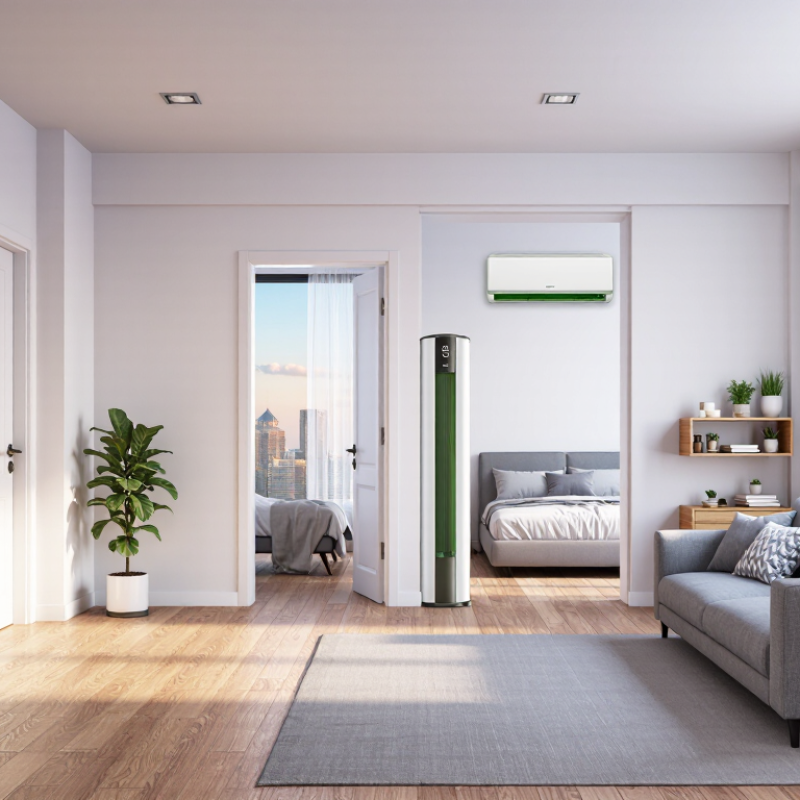
How Home Air Conditioning Systems Work
A home air conditioner moves heat; it does not create cold air. In a common split system, warm indoor air passes over a cold evaporator coil. Refrigerant inside the coil absorbs heat and carries it outdoors. The compressor raises the refrigerant’s pressure and temperature, and the outdoor condenser releases that heat. An expansion device then lowers the refrigerant’s pressure, restarting the cycle. That is the loop. A fan circulates room air across the indoor coil, while a filter catches some airborne dust. It does not remove every pollutant.
The IEA’s 2018 report, The Future of Cooling, estimated that global energy demand for space cooling could more than triple by 2050, reaching about
6,200 terawatt-hours annually.
This makes correct system sizing and careful operation important, including in China’s hot, humid regions. A unit that is too large may cool a room quickly but run short cycles, leaving humidity less controlled. That can happen. Real homes also differ in insulation, sun exposure, ceiling height, and how often doors open, so a simple room-area estimate may miss the mark. Even this explanation leaves out details such as defrost cycles and refrigerant controls, which vary by system.
Types of Air Conditioning Systems Available in China
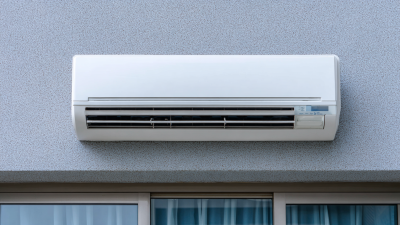
China’s housing mix includes compact apartments, older walk-ups, and larger homes, so air conditioning needs vary. Wall-mounted split systems are common choices for individual bedrooms or living rooms. They cool one space without major ductwork, which can help where renovation options are limited. Simple and familiar. However, several separate indoor units may take up wall space and require careful placement.
Multi-split systems connect several indoor units to one outdoor unit. They suit homes where different rooms need independent temperature control, though capacity must match the rooms and local climate.
Ducted systems distribute cooled air through concealed ducts and offer a cleaner look. They usually need ceiling space and planning before renovation. In larger homes, variable-refrigerant-flow systems can serve multiple zones, but their design and installation are more involved.
Portable air conditioners can help renters or provide temporary cooling, but they need an exhaust path through a window and may be noisier in a small room. A common planning mistake is choosing by floor area alone. Sun-facing windows, ceiling height, insulation, and cooking heat also affect comfort. Measure twice. Even a well-sized system can disappoint if airflow is blocked by curtains or furniture.
How China’s Climate and Housing Affect System Choice
China’s climate varies sharply, so the best air-conditioning system depends on where and how you live. In humid southern cities, long summers make moisture control important; a system that cools quickly but leaves rooms clammy may feel uncomfortable. Northern winters bring a different challenge. Some homes rely on district heating, while others need air conditioning that can also provide practical heating during chilly periods.
Housing matters just as much. A small apartment with limited space for outdoor equipment may suit a compact split system, while a larger home may benefit from several independently controlled indoor units. Check window exposure, insulation, room layout, and whether installation and maintenance access are realistic. In older buildings, weak insulation can make any system work harder. I would not assume that a more powerful unit is automatically better; oversized equipment can cycle too often and control humidity less effectively. Room measurements and a qualified site assessment are more dependable than guesswork.
Tips: Note the hottest rooms in late afternoon, then ask an installer to assess their size and sun exposure. Check noise, drainage, and outdoor-unit placement before buying. Small details matter. I have seen people focus on cooling capacity and only later notice that the bedroom unit is too loud for comfortable sleep.
What Are the Best Home Air Conditioning Systems in China?
How China’s climate and housing affect system choice
Approximate July average daily highs, rounded from commonly reported climate normals—not cooling design temperatures. Hotter, humid southern cities often need strong dehumidification and sustained cooling. In any region, room size, insulation, sun exposure, and apartment layout also affect whether a single-room or multi-room system is the better fit.
Key Factors for Comparing Home Air Conditioning Systems
When comparing home air-conditioning systems in China, start with cooling capacity matched to room size, ceiling height, window area, and afternoon sun. An oversized unit may cool quickly but cycle often; an undersized one can struggle through humid summer nights.
Fit matters.
Ask an installer to assess the actual room, not just quote floor area. For bedrooms, compare indoor noise ratings and airflow direction, then consider whether filters are easy to remove and clean.
Efficiency deserves close attention. The International Energy Agency’s The Future of Cooling (2018) projects global air-conditioner stock will rise from about 1.6 billion units in 2016 to 5.6 billion by 2050, with cooling energy demand more than tripling. China’s GB 21455-2019 sets energy-efficiency requirements for room air conditioners; compare the published seasonal efficiency figures and current label for each model.
Check the details.
A high rating matters most when the unit suits the room and is used regularly.
Also weigh installation quality, drainage, outdoor-unit clearance, and local repair access. In humid southern cities, effective moisture removal can matter as much as a low set temperature. In northern homes, heating performance may affect year-round value. One limitation: laboratory ratings cannot fully predict comfort in a sunlit room with doors opening all evening.
That uncertainty is worth discussing before purchase.
Choosing the Best System for Your Home and Budget
Choosing a home air-conditioning system in China means balancing purchase price, room layout, and long-term electricity use. A wall-mounted split system can suit a closed bedroom, while several rooms may need a multi-split or ducted setup. Measure each room and note afternoon sun, ceiling height, and window exposure before comparing capacity. Small rooms differ. A system that is too large may cool quickly but cycle often; one that is too small may struggle on humid days.
The International Energy Agency’s 2018 report, The Future of Cooling, estimated that China had about 570 million air conditioners in 2016, roughly 35% of the global stock. The report also found cooling used around 10% of global electricity. These figures are historical, but they show why running costs deserve attention.
Compare the energy-efficiency label and annual performance factor for models with similar capacity. Ask installers to explain pipe routes, drainage, and maintenance access. A low quote can become less attractive if installation details are vague. Perfect estimates are rare; actual bills depend on climate, insulation, and daily habits.
Tips: Set a realistic budget that includes installation and routine cleaning, not just the unit. Keep filters clear, and use curtains to reduce direct afternoon heat. If you rarely cool every room at once, consider whether a whole-home system is worth its higher upfront cost.