China Top 10 Domestic Air Conditioning Manufacturers

China’s domestic air conditioning market is shaped by enormous production capacity, intense competition, and rising expectations for quieter, more efficient cooling. The National Bureau of Statistics of China reported that household air-conditioner output reached about 218.7 million units in 2023. That figure gives useful context, but production volume alone cannot show which manufacturers deliver dependable products or service.

The International Energy Agency’s The Future of Cooling report (2018) projected that global energy demand for space cooling could more than triple by 2050 without stronger efficiency improvements. IEA Executive Director Fatih Birol warned, “Growing demand for air conditioners is one of the most critical blind spots in today’s energy debate.” This concern matters in China, where hot, humid summers can turn a reliable unit into a household necessity. Efficiency matters. So does after-sales support.

This overview of China’s top 10 domestic air conditioning manufacturers considers market presence, product range, technology, and customer support. These factors help buyers compare established brands, not just headline specifications. Still, rankings have limits. Company scale does not guarantee the best fit for every home, and public data may not capture local service quality. A careful comparison should check current efficiency labels, warranty terms, and installation support. Those details are easy to overlook.
China Top 10 Domestic Air Conditioning Manufacturers

Overview of China’s Domestic Air Conditioning Industry

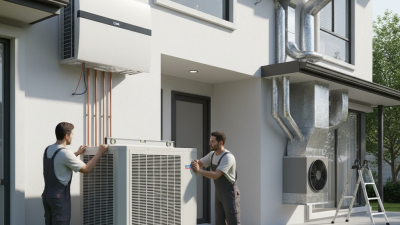
China’s domestic air-conditioning industry is built around a broad manufacturing base, from compressors and heat exchangers to control boards and finished units. Production serves apartments, offices, shops, and smaller rural homes, where room size and seasonal humidity shape equipment choices. On a factory floor, sheet-metal cabinets, copper tubing, and insulation come together through tightly sequenced assembly steps. Quality checks often include leak testing and trial operation. The details matter: a poorly sealed connection can affect performance long after installation.

Demand is changing as households look for quieter operation, lower electricity use, and more responsive temperature control. Inverter systems and connected controls are increasingly common, though adoption varies with price, housing conditions, and local service access. Hot, humid summers also put pressure on cooling capacity and drainage design. A unit that performs well in a showroom may behave differently in a sun-facing room. This is easy to overlook. Manufacturers must balance efficiency, durability, and affordability while adapting products to varied climates and building layouts. The industry is large, but its challenges are not uniform; installation quality and maintenance still shape the experience.

Criteria for Identifying Leading Chinese Air Conditioner Manufacturers

Choosing a leading domestic air conditioning manufacturer requires more than comparing output or showroom features. Buyers should examine engineering depth, verified performance data, and production consistency. Ask how units are tested across cooling loads, high outdoor temperatures, and changing voltage conditions. A credible supplier can explain its test methods and share records, not only polished claims. Look for clear specifications on seasonal efficiency, noise, refrigerant charge, and component life. Numbers matter. But context matters.

Factory controls deserve close attention. Review how incoming materials are checked, how assembly defects are tracked, and whether finished units receive documented run tests. Independent audit reports and applicable product certifications can add confidence, though neither guarantees years of trouble-free use. For export projects, confirm that models match local climate conditions and electrical requirements. Service capacity matters too: ask about spare-parts availability, warranty handling, and response times in the target market. A factory visit may reveal practical details, such as orderly test benches or poorly labeled inspection records. Even careful reviews have blind spots; laboratory results cannot fully predict every home’s dust, installation quality, or daily use. That deserves reflection.

China Top 10 Domestic Air Conditioning Manufacturers: Criteria for Identifying Industry Leaders

Annual air conditioner production in China (million units)

National production provides context for the scale of China’s air-conditioning industry, but it is not a manufacturer ranking. When assessing leading manufacturers, consider production capacity alongside R&D investment, energy efficiency, product quality, and after-sales service.

Source: National Bureau of Statistics of China; annual industrial output figures, rounded to two decimal places.

Profiles of China’s Top 10 Domestic Air Conditioning Manufacturers

Profiles of China’s Top 10 Domestic Air Conditioning Manufacturers

China’s leading domestic air-conditioning manufacturers differ in scale, engineering focus, and route to market. The National Bureau of Statistics reported 224.8 million air conditioners produced in 2023. That figure measures factory output, not sales or installed units. It shows why capacity alone cannot explain a manufacturer’s position. Look also at compressor sourcing, product testing, service networks, and seasonal efficiency.

Some manufacturers integrate component production and assembly, giving them tighter control over supply and quality checks. Others focus on inverter systems, quiet indoor units, or compact models for smaller homes. Export-oriented producers often adapt voltage, controls, and packaging for different markets. Domestic-focused firms may prioritize fast service and replacement parts. The distinctions matter. A catalogue can look impressive, yet repair access may be less clear.

For a practical profile, compare published efficiency labels, warranty terms, and independent test results, not just cooling capacity. China’s household-appliance industry reports also track production and market trends, but definitions can vary between datasets. That is easy to overlook. A top-ten list is useful as a starting point, not a final verdict; regional climate, room size, installation quality, and maintenance can change real-world performance.

Product Portfolios and Technologies of the Leading Brands

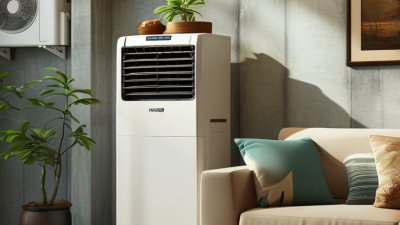
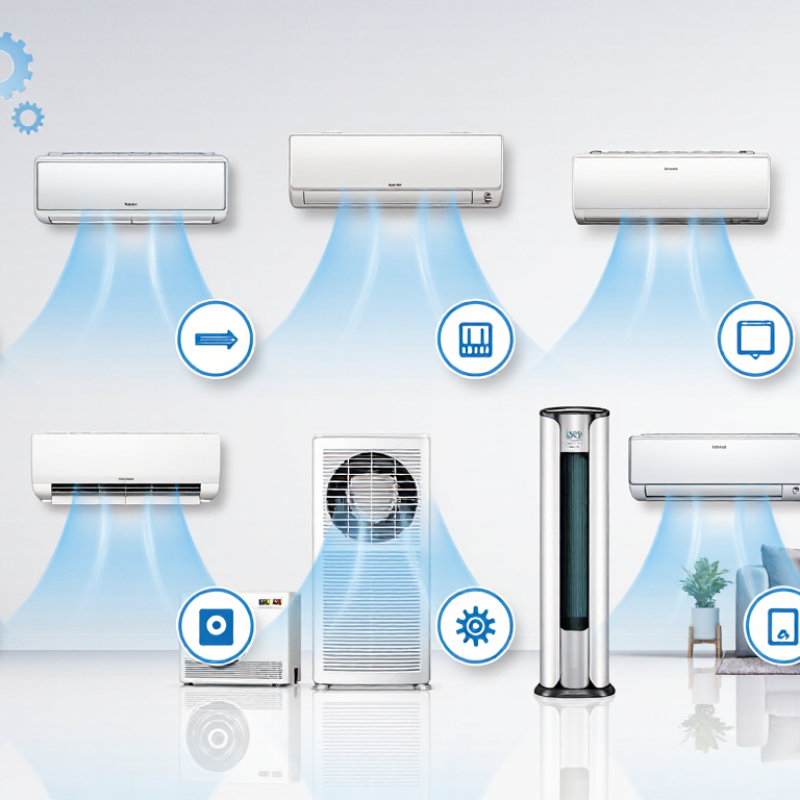
China’s leading domestic air-conditioning manufacturers offer wall-mounted split units, floor-standing systems, ducted models, and variable refrigerant flow equipment. Their portfolios serve apartments, detached homes, shops, and larger buildings. That range matters. A compact bedroom unit and a multi-zone system solve different problems.

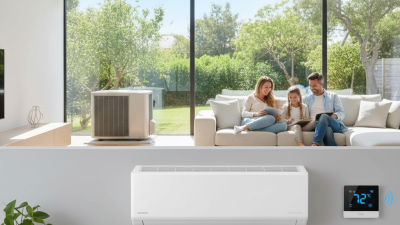
Common technologies include variable-speed compressors, heat-pump heating, air-quality filters, humidity controls, and app-based scheduling. Some systems can adjust output across several rooms, while ducted designs conceal equipment above ceilings. Small details count. Filter access, indoor-unit noise, and control clarity can affect everyday use more than a long feature list. Actual performance depends on room size, insulation, climate, and installation quality. A technician checking pipe routes and drainage can prevent avoidable comfort problems later.

Smart diagnostics may help identify faults, but they do not replace skilled servicing. Buyers should compare seasonal efficiency ratings, supported operating temperatures, warranty terms, and local parts availability. Not every upgrade helps. Advanced controls may add cost without improving comfort in a small, consistently used room. Product specifications also vary by model and market, so broad claims deserve careful checking. The practical trade-off is clear: efficient hardware matters, but so do quiet operation, repair access, and dependable maintenance.

Market Reach and Competitive Strengths of China’s Top Manufacturers

China’s leading domestic air-conditioning manufacturers compete through scale, export access, and dense supplier networks. The International Energy Agency’s 2018 Future of Cooling report estimated China had about 570 million installed air-conditioning units. That large home market supports high-volume production and rapid product testing. Scale matters. Manufacturing clusters also shorten the distance between assembly lines and component suppliers. For overseas buyers, established shipping channels and varied capacity options can make sourcing more flexible.

Competitive strength is not only factory size. Manufacturers compete on inverter efficiency, quieter indoor units, and controls suited to humid coastal cities or dry inland regions. The IEA projected global air-conditioner ownership could reach 5.6 billion units by 2050, underscoring the importance of efficiency as demand grows. Yet shipment reach does not automatically mean strong local service. Importers should check spare-parts availability, warranty response times, and product performance under local conditions. I would treat catalogue claims cautiously; field reliability can differ from laboratory figures. Price, certification, and after-sales support still separate capable exporters from dependable long-term suppliers.

China Top 10 Domestic Air Conditioning Manufacturers - Market Reach and Competitive Strengths of China’s Top Manufacturers

Directional industry overview. Profiles are anonymized and not presented as a verified ranking; descriptions summarize common competitive characteristics of large Chinese air-conditioning manufacturers. No company-level market shares or sales figures are assigned.

Profile Market Reach Typical Product Focus Competitive Strengths Key Competitive Consideration
Anonymous Profile 1 Broad nationwide distribution; export activity across multiple regions Residential split and inverter air conditioners Large-scale manufacturing, extensive service coverage, and broad product availability Maintaining service quality across a wide dealer network
Anonymous Profile 2 Nationwide domestic presence; established overseas sales channels Residential, light-commercial, and central air-conditioning systems Wide portfolio, mature supply chain, and ability to serve multiple customer segments Coordinating product differentiation across a large portfolio
Anonymous Profile 3 Strong domestic retail reach; exports to selected international markets Home air conditioners and connected home-appliance products Retail-channel access and integration with broader home-appliance offerings Standing out in a crowded, price-competitive residential market
Anonymous Profile 4 Nationwide sales supported by regional dealers; export reach varies by product line Residential inverter units and entry-to-mid-market models Value-oriented product design and flexible channel positioning Balancing affordability with energy efficiency and after-sales support
Anonymous Profile 5 Domestic coverage through retail and project channels; selective exports Residential systems, multi-split units, and light-commercial equipment Product range suited to both household and smaller commercial applications Competing with larger suppliers on brand awareness and channel scale
Anonymous Profile 6 Strong regional roots with distribution extending across China Residential air conditioners and selected commercial products Regional market knowledge and established relationships with local distributors Expanding national reach while keeping distribution economics sustainable
Anonymous Profile 7 Domestic sales supplemented by contract manufacturing or overseas market activity Residential units and models tailored to particular market requirements Manufacturing flexibility and experience adapting products for different markets Managing export compliance, specifications, and service needs across markets
Anonymous Profile 8 Primarily domestic reach, with opportunities in selected export destinations Affordable residential systems and practical, high-volume models Cost-conscious engineering and focus on accessible price points Exposure to input-cost changes and intense price competition
Anonymous Profile 9 Domestic coverage through a mix of online, retail, and regional channels Connected residential air conditioners and smart-home compatible products Digital sales capabilities and consumer-oriented connected features Turning connected features into reliable, long-term customer value
Anonymous Profile 10 Project-based domestic reach, with export participation depending on product segment Light-commercial and central air-conditioning solutions Application-focused equipment and experience serving business or institutional projects Project cycles, installation requirements, and lifecycle service commitments

Note: “Market reach” and “competitive strengths” are qualitative descriptions, not audited measures. The anonymous profiles do not identify or rank individual companies.