China’s air-conditioning market is broad, practical, and shaped by striking regional differences. Hot, humid Guangzhou demands different performance from dry, cold Harbin. Coastal apartments often need strong dehumidification, while northern homes may value heating capacity more. The best air conditioning type depends on climate, room size, building design, electricity costs, and maintenance access.
Common options include wall-mounted split systems, multi-split and VRF systems, portable units, window units, and central chilled-water systems. Wall-mounted splits remain popular in apartments because installation is relatively simple and room-by-room control is convenient. Multi-split systems serve several rooms with fewer outdoor units. Large offices, hotels, shopping centers, and hospitals often use VRF or chilled-water systems. Portable models offer flexibility, but their noise and lower efficiency can disappoint. Small details matter. A poorly sealed window can waste cooling within minutes.
Dr. William P. Bahnfleth, an ASHRAE Fellow and indoor-environment researcher, offers a useful principle: “Comfort and health should guide HVAC decisions, not equipment labels alone.” That idea deserves attention in China, where air quality, humidity, and seasonal heating needs overlap. Energy labels help, but they do not reveal every real-world cost. Installation quality, filter cleaning, refrigerant management, and after-sales service can change performance significantly.
This guide compares the main air conditioning types in China through practical examples. It considers comfort, efficiency, noise, installation, and long-term reliability. No single system wins everywhere. Even this framework has limits. Personal habits and building conditions can overturn a seemingly perfect choice.
China’s air-conditioning market is dominated by split systems.
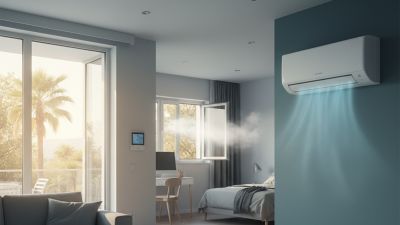
A wall-mounted indoor unit connects to an outdoor compressor, making installation practical for apartments and small offices. Many households choose inverter splits because they adjust compressor speed instead of repeatedly switching on and off.
The IEA’s The Future of Cooling report (2018) found that China held about 35% of the world’s air-conditioner stock. That figure shows the scale of residential cooling demand.
Multi-split and variable refrigerant flow systems serve several rooms with one outdoor system.
They suit larger homes, hotels, shops, and compact office buildings. Technicians must calculate pipe length, indoor-unit capacity, and drainage carefully. Poor sizing creates uneven temperatures and wasted electricity.
ChinaIOL’s 2023 industry tracking reported domestic air-conditioner sales at roughly 90 million units, with residential split systems forming the largest segment. The categories overlap.
Chilled-water central air conditioning appears in shopping centers, hospitals, transport hubs, and high-rise commercial buildings.
A chiller produces cold water, while air-handling units distribute cooled air through ducts. These systems require plant-room space and professional maintenance.
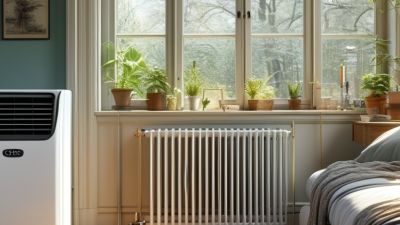
Window and portable units remain useful in older rooms, temporary spaces, or rental properties. Their installation is simpler, but noise and weaker room-wide airflow can be noticeable.
In practice, “central” does not always mean more efficient; operating schedules, insulation, and maintenance often matter more.
In China, split-system air conditioners remain a practical choice for apartments, offices, shops, and small hotels. They use an indoor evaporator and an outdoor condenser connected by refrigerant lines. Wall-mounted units suit single rooms, while multi-split systems serve several spaces with one outdoor unit. This saves façade space, although installation becomes more demanding.
The International Energy Agency reported in The Future of Cooling that China, the United States, Japan, and South Korea account for about two-thirds of installed air conditioners worldwide. The report also projects global space-cooling demand to triple by 2050 without stronger efficiency measures. These figures explain the growing interest in inverter-driven split systems. They adjust compressor speed instead of repeatedly switching on and off. This can reduce temperature swings and improve part-load efficiency.
Comfort depends on more than the catalogue rating. A technician should check room area, glass exposure, ceiling height, insulation, and outdoor climate. An oversized unit may cool quickly but dehumidify poorly. That feels clammy. The 2023 Global Status Report for Buildings and Construction, published by UNEP and the GlobalABC, identifies rising cooling demand as a major challenge for building energy use. Field experience suggests that clean filters, correct refrigerant charging, and shaded outdoor units matter greatly. Still, real buildings are imperfect. Occupants open doors, cooking adds heat, and maintenance is often delayed. Split systems perform well, but only when design and operation match the space.
Central air conditioning systems are increasingly common in Chinese homes, offices, hotels, and public buildings. The best choice depends on climate, floor area, insulation, and daily occupancy. In apartments, variable refrigerant flow systems offer flexible control for separate rooms. They can cool a bedroom while leaving an unused study off. For larger buildings, chilled-water systems often provide stable cooling across many zones. They suit offices, shopping centers, schools, and high-rise developments with centralized plant rooms.
Design quality matters more than equipment size. Field inspections often find oversized systems, poor duct sealing, or badly placed thermostats. These mistakes increase noise, electricity use, and uneven temperatures. A reliable project begins with room-by-room heat-load calculations. Engineers should examine sunlight, window area, occupancy, ventilation, and local weather patterns. Northern cities may require heating and cooling, while southern areas face long, humid summers. Fresh-air systems also deserve attention. Cooling alone does not guarantee healthy indoor conditions.
Maintenance is easy to underestimate. Filters need regular cleaning, and condensate pipes require inspection before humid seasons. Building managers should record temperatures, energy use, and fault history. Homeowners can request clear service schedules and accessible inspection points. No design is perfect. A system that performs well today may need adjustment after renovations or occupancy changes. Proper commissioning, trained technicians, and honest performance checks make central cooling safer, quieter, and more dependable.
What Are the Top Air Conditioning Types in China?
Portable, window, and floor-standing air conditioners each suit different Chinese homes. Portable units are useful for rented rooms because they need little installation. Their wheels make movement easy. However, the exhaust hose must reach a window. Poor sealing can let hot air return, reducing cooling efficiency. They can also sound louder in a small bedroom.
Window air conditioners combine cooling and ventilation in one compact unit. They work well in older apartments with suitable window frames. Installation requires accurate measurements and secure support. A weak frame may create vibration or safety concerns. In contrast, floor-standing air conditioners deliver strong airflow for large living rooms, shops, and open spaces. Their tall cabinets occupy floor area, but many models cool quickly. Energy use can rise when the room is poorly insulated. I once preferred maximum cooling, but lower electricity use matters more during long summers.
Tips: Measure the room before choosing a unit. Check cooling capacity, noise level, hose length, and power requirements. Keep doors and windows closed during operation. Clean filters regularly, especially in dusty urban areas. For portable models, seal the window gap carefully. For floor-standing units, leave space around the air outlet. Ask a qualified installer to inspect window supports and electrical connections. Do not rely only on advertised cooling speed; actual comfort depends on sunlight, insulation, and room layout.
| Air Conditioner Type | Typical Cooling Capacity | Recommended Room Size | Installation Requirements | Typical Energy Efficiency | Noise Level | Main Advantages | Potential Limitations | Best Use Cases |
|---|---|---|---|---|---|---|---|---|
| Portable Air Conditioner | Approximately 2.0–3.5 kW (7,000–12,000 BTU/h) |
About 10–30 m² | Requires a nearby window or opening for the exhaust hose. Usually operates from a standard household electrical outlet. | Generally lower than fixed systems | Approximately 50–65 dB(A) | Easy to move; no permanent installation; suitable for renters and temporary cooling; relatively simple to store. | Exhaust hose must be positioned correctly; takes up floor space; can be noisier; cooling efficiency may be reduced when warm air leaks back indoors. | Rental apartments, bedrooms, small offices, temporary rooms, and spaces where exterior installation is not permitted. |
| Window Air Conditioner | Approximately 1.8–5.3 kW (6,000–18,000 BTU/h) |
About 10–45 m² | Needs a suitable window opening, secure support, and a route for condensate drainage. The unit is installed through the wall or window area. | Moderate to good, depending on the model and operating mode | Approximately 45–65 dB(A) | Combines indoor and outdoor components in one unit; generally more efficient than portable units; does not occupy interior floor space. | Requires structural support and a compatible window; may obstruct natural light; installation can affect appearance and security. | Small apartments, dormitories, older buildings, individual rooms, and locations without a central air-conditioning system. |
| Floor-Standing Air Conditioner | Approximately 3.5–7.2 kW (12,000–24,000 BTU/h) |
About 25–60 m² | Usually requires connection to an outdoor condenser, refrigerant piping, drainage, and professional installation. Some compact units may have different installation arrangements. | Generally good when correctly sized and installed | Approximately 40–55 dB(A) indoors | High cooling capacity; suitable for larger rooms; strong airflow; does not require wall-mounted indoor placement; often includes heating functions. | Requires substantial floor space; higher purchase and installation costs; oversized units may cause short cycling and uneven humidity control. | Large living rooms, commercial spaces, classrooms, restaurants, showrooms, and rooms with high heat loads. |
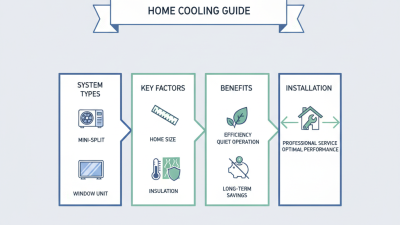
Choosing an air conditioner in China requires more than comparing cooling capacity. Split units suit single bedrooms, small offices, and rental apartments. They are relatively affordable and easier to repair. Multi-split systems connect several indoor units to one outdoor unit. They save exterior space, but installation quality becomes critical. Central VRF systems serve larger homes, hotels, and commercial buildings. They offer flexible zoning, although their controls and maintenance are more demanding.
Compare four practical factors: climate, room size, efficiency, and lifecycle cost. In humid southern cities, prioritize dehumidification performance, not only cooling speed. In northern areas, check heating capacity and low-temperature operation. A poorly sized unit may cycle too often, waste electricity, and feel damp.
The International Energy Agency reported that global air-conditioner ownership could rise from 1.6 billion units to 5.6 billion by 2050. Cooling demand may also triple without stronger efficiency improvements (IEA, The Future of Cooling, 2018). Efficiency matters.
Look for China Energy Label ratings, seasonal efficiency data, noise levels, and available service support. A higher-rated unit can reduce operating costs, but actual savings depend on filters, doors, insulation, and user habits. For a 20-square-meter bedroom, measuring sunlight and ceiling height is more useful than copying a neighbor’s model. My comparison is not perfect; electricity prices and installation fees vary by city. Still, a clear lifecycle calculation is safer than choosing the lowest purchase price.