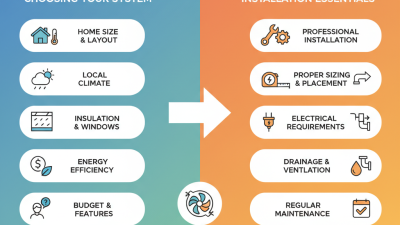
Finding reliable air conditioning products and services in 2026 takes more than comparing prices. A unit that looks efficient online may not suit a small upstairs bedroom or a humid coastal home. Start with the space, local climate, insulation, and existing electrical setup. Then compare suitable systems, installation options, and ongoing maintenance.
The details matter. Check the manufacturer’s published efficiency rating, warranty terms, replacement-filter availability, and expected noise level. Ask contractors how they size equipment and whether their quote includes removal, installation, and system testing. A clear written estimate is useful. So is a direct answer about service visits. Some buyers search the exact phrase “and services air conditioning,” though it reads awkwardly; what they need is a provider who explains both product choices and aftercare plainly.
Availability, energy costs, and product features can change, so verify current specifications with manufacturers and local providers before deciding. Look for itemized quotes, recent customer feedback, and evidence of relevant training or credentials. Where possible, compare at least two proposals using the same room measurements and scope of work. No checklist is perfect. A low price can hide missing work, while a polished website cannot guarantee careful installation. Take time to ask questions, record the answers, and notice what remains uncertain. That small pause may prevent a costly mismatch and help you choose comfort that lasts beyond the first hot week.
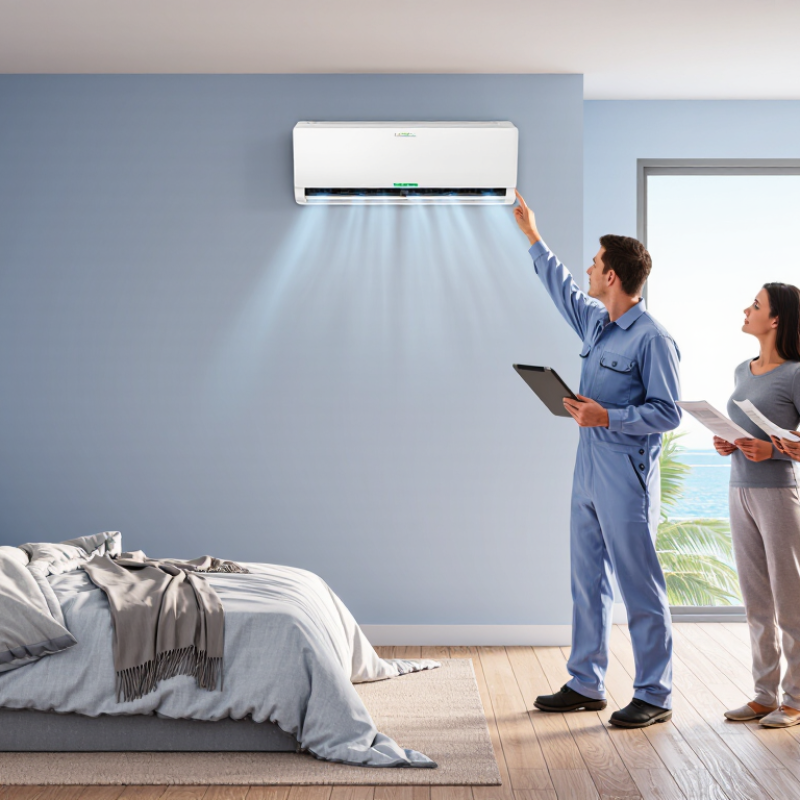
Start by listing the rooms you need cooled, how often you use them, and where afternoon sun hits. Measure each room and note ceiling height, window size, insulation, and persistent drafts. A 12-by-15-foot bedroom with a west-facing window may need a different solution from a shaded interior room. Write it down. The U.S. Energy Information Administration’s 2020 Residential Energy Consumption Survey found that about 88% of U.S. households used air conditioning. That widespread use does not mean every home needs the same setup. Do not guess.
Ask a qualified contractor to assess the space and calculate its cooling load using recognized methods such as ACCA Manual J. A unit that is too large may cool quickly but leave the room damp; one that is too small may run constantly on hot afternoons. Budget for installation, electrical work, filters, and expected energy use—not just the equipment price. The U.S. Department of Energy has estimated that air conditioning represented about 12% of U.S. home energy expenditures in 2018. Treat that figure as context, not a prediction for your bill. Local rates, climate, and habits matter. My own planning would still leave room for error; old windows can change the math.
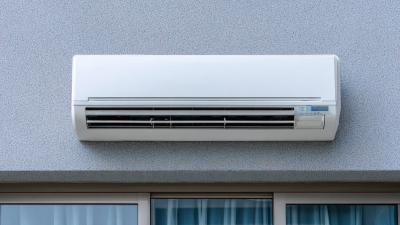
In 2026, air conditioning choices range from central systems to room-by-room units. Central air conditioners suit many homes with existing ductwork, while ductless mini-splits can cool separate rooms without it. Heat pumps provide cooling and heating, though performance depends on climate, insulation, and system design. Window and portable units remain practical for smaller spaces or temporary needs. They can be noisier, and portable models need a suitable exhaust route.
Products also include variable-speed equipment, smart thermostats, and add-ons such as air filters or humidity controls. These features may improve comfort, but they do not fix undersized ducts or poor insulation. A technician can assess the home, calculate cooling needs, inspect electrical capacity, and recommend equipment. Ask for a written estimate that lists model specifications, labor, warranty terms, and any duct changes. Details matter.
Available services include installation, seasonal maintenance, refrigerant leak checks, airflow testing, duct sealing, and repairs. During a visit, note whether rooms cool unevenly or the system cycles frequently; these clues help guide diagnosis. A quick filter change is not a full inspection. It is easy to overbuy. I would compare at least two qualified assessments, then confirm local availability and service coverage before choosing.
Search online for air conditioning products and services, but look beyond the first page of results. Compare equipment features, service areas, appointment availability, and written warranty terms. A low price can hide installation costs. Ask whether an in-home assessment is included, and request an itemized estimate before choosing.
Check recent customer reviews for repeated details, such as missed appointments or careful cleanup. One glowing comment tells you little. Local community groups and neighbors can offer useful referrals, especially about how a system performs through a hot spell. Ask what the technician checked, not just whether the visit felt friendly. Small details count.
Bring room dimensions, ceiling height, and notes about sunny windows to a consultation. These details can help a qualified professional assess cooling needs; square footage alone may not tell the whole story. During a visit, notice where the outdoor unit could sit and where condensate water would drain. Ask how noise, maintenance, and parts availability affect your options. I might still give too much weight to a tidy website, so I would verify important claims directly and keep the answers in writing.
Compare Efficiency, Compatibility, Credentials, and Total Costs
A good air conditioner is not simply the most efficient model on a product page. Compare efficiency ratings across similarly sized systems, then ask how performance may change during your region’s hottest weeks. A qualified technician should assess room layout, insulation, windows, and existing ducts before recommending equipment. A unit that is too large may cycle frequently and leave rooms feeling damp. Small details matter, like a sunny upstairs bedroom that never cools evenly.
Tips: Ask for a written load calculation, not just a guess based on floor area. Check that the proposed system works with your electrical supply, thermostat, and ductwork. Verify the contractor’s relevant credentials and insurance, and ask who handles installation and follow-up service. Get an itemized estimate.
Compare total costs, not just the purchase price. Include installation, likely maintenance, replacement parts, and estimated energy use; ask which assumptions shape those estimates. Look for clear warranty terms and a realistic service schedule. I used to think a low quote meant a better deal. It may, but missing duct repairs or disposal fees can change the picture. Ask questions until each line makes sense.
A low price for an air-conditioning unit can look attractive, but warranty details may change its real value. Ask for the full terms before you pay. Check how long parts and labor are covered, when coverage begins, and whether the installer’s work has a separate warranty. Some plans cover a compressor but exclude the labor needed to replace it. That distinction matters.
Read the maintenance requirements closely. Coverage may depend on routine filter changes or documented professional service. Ask what records you should keep, and whether using a different technician affects coverage. Also confirm who handles a claim and how quickly service is usually available. A warranty is less reassuring if you cannot reach the responsible party. Get answers in writing, not only during a sales conversation.
Service terms deserve the same attention. Confirm diagnostic fees, after-hours charges, travel costs, and whether replacement parts are included in an estimate. Ask what happens if the repair does not solve the problem. It is easy to focus on the equipment and skim the paperwork; that is a mistake many buyers can avoid. Keep the signed estimate, warranty documents, and service notes together. A small folder can save a frustrating search later.
Compare the federal minimum efficiency ratings for split-system central air conditioners by U.S. region.
Before choosing: These are federal minimum efficiency ratings, not recommended targets or warranty terms. Check the exact model’s warranty coverage, registration deadline, maintenance requirements, exclusions, and any labor or service-call charges in writing. Regional standards can affect which models are available.
Source: U.S. Department of Energy, central air conditioner efficiency standards.