China Top Air Conditioning Trunking Suppliers?

Choosing among China’s top air conditioning trunking suppliers requires more than comparing catalogue prices. The right partner should demonstrate manufacturing experience, stable material control, and clear technical documentation. This guide examines suppliers that produce air conditioning trunking for offices, factories, hospitals, retail spaces, and large commercial buildings. It considers PVC, galvanized steel, aluminum, and other practical options. Product size, wall thickness, flame performance, temperature resistance, and installation design can strongly affect long-term reliability.

Details matter here. A dependable supplier should explain raw material sources, production capacity, quality inspection, packaging, and delivery procedures. Factory photographs help, but they are not enough. Buyers should request samples, test reports, drawings, and recent project references before making a decision. Certifications may support trust, yet certification alone does not prove consistent production. That point is easy to miss. Supplier communication also reveals useful evidence. Can the team answer questions about bends, joints, covers, cable separation, and maintenance access? Can it recommend a suitable structure instead of simply promoting the cheapest model?

This introduction provides a practical framework for comparing China-based manufacturers and trading companies. It also recognizes an uncomfortable truth: supplier rankings can change with project requirements, order volume, and verification results. A small manufacturer may offer stronger customization, while a larger factory may provide better capacity and documentation. Careful comparison remains essential. The goal is not to name one universal winner, but to identify a reliable air conditioning trunking supplier for your specific application, climate, installation method, and compliance needs.
China Top Air Conditioning Trunking Suppliers?

What Is Air Conditioning Trunking and Why Is It Important?

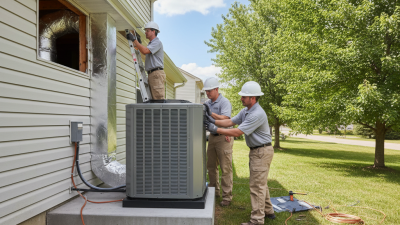
Air conditioning trunking is a protective casing for refrigerant pipes, drain lines, and control cables. It usually runs along external walls, balconies, or indoor ceiling edges. A typical system includes a base channel, snap-on cover, bends, joints, and end caps. These parts hide pipework and protect insulation from sunlight, rain, impact, and animals.

Its importance is growing with cooling demand. The International Energy Agency reported that space cooling used about 2,020 TWh of electricity in 2016. Its stated pathway showed demand potentially exceeding 6,200 TWh by 2050. The UNEP-led Global Cooling Watch 2023 also warned that cooling demand could more than triple by mid-century. Trunking cannot reduce compressor energy by itself. However, it helps preserve insulation and supports cleaner, more reliable installations. Poorly sealed joints can admit water. Crushed pipes can reduce system performance.

Small details matter. Installers should measure pipe diameter, insulation thickness, drainage slope, and wall exposure before selecting a trunking size. Tight covers may deform insulation over time. Dark outdoor surfaces can also absorb considerable heat, although local climate and material choice change the result. Standards and manufacturer installation instructions should guide fire performance, spacing, and access requirements. A tidy appearance is useful, but serviceability matters more. That lesson is easy to overlook. Regular inspection remains necessary, especially after storms, renovations, or visible cracking.

Key Types of Air Conditioning Trunking Available in China

China Top Air Conditioning Trunking Suppliers?

Key Types of Air Conditioning Trunking Available in China

Air conditioning trunking protects copper pipes, cables, and drain hoses from sunlight, impact, and moisture. In China, PVC trunking remains a common choice for residential projects. It is lightweight, easy to cut, and available in white or neutral colors. Its snap-fit cover also speeds up installation. However, low-grade PVC may become brittle outdoors. Checking wall thickness matters.

Galvanized steel trunking suits commercial buildings and areas needing stronger protection. It resists impact and provides a firm enclosure around larger pipe systems. Aluminum trunking is lighter and offers better resistance to corrosion near humid coastal sites. It also gives a cleaner architectural appearance. Flexible insulated trunking works well around corners, short connections, and uneven surfaces. It is practical, but it may look less tidy when poorly supported.

Fire-resistant trunking is selected for projects with stricter safety requirements. Outdoor systems may need UV-resistant materials and sealed joints. Experienced installers usually check internal space before ordering. Packed pipes should not be forced inside. Leave room for insulation, drainage, and future maintenance. A common mistake is choosing the cheapest cover first. That decision can create cracked corners, loose clips, or trapped water later. Supplier reliability should be assessed through material data, dimensional samples, test records, and consistent production quality. The perfect type does not always exist. Project conditions decide the better compromise.

How to Evaluate China’s Top Air Conditioning Trunking Suppliers

How to Evaluate China’s Top Air Conditioning Trunking Suppliers

A practical evaluation begins with the trunking, not the catalog. Request samples that match your project’s dimensions, material, wall thickness, and surface finish. Check each joint by hand. Poor alignment often appears before installation. Ask for test reports covering flame resistance, insulation performance, mechanical strength, and corrosion protection. The documents should identify testing dates, methods, and applicable standards. Vague certificates weaken supplier credibility.

Tips: Compare at least three suppliers. Review production photos, sample tolerances, and packaging details. Ask whether accessories are made under the same quality system. Confirm bend radius, cover fit, fixing methods, and delivery capacity. A factory visit can reveal storage problems, rushed assembly, or weak inspection routines. Small details matter.

Reliable suppliers provide batch numbers, inspection records, material certificates, and clear replacement procedures. Speak with technical staff, not only sales representatives. Their answers should explain installation limits and climate considerations. Check whether drawings are revised and approved before production. A polished website proves little. I have seen attractive samples fail after rough transport because corner protection was inadequate. That risk deserves attention. Price comparisons should include tooling, accessories, packing, testing, and after-sales support. The cheapest quotation may become expensive on site. Allow room for mistakes, because even a careful evaluation cannot predict every installation condition.

How to Evaluate China’s Top Air Conditioning Trunking Suppliers

Recommended buyer-side weighting for comparing air conditioning trunking suppliers

Product conformity and material traceability receive the highest weights because trunking performance depends on dimensional accuracy, material consistency, corrosion resistance, and verified production control. Compliance documentation, delivery reliability, customization capability, and after-sales support should also be checked before selecting a supplier. The percentages represent a practical evaluation framework rather than company-specific market rankings.

Leading Supplier Capabilities, Certifications, and Product Standards

China’s leading air conditioning trunking suppliers should offer more than attractive pricing. The IEA’s The Future of Cooling report projects space-cooling electricity demand could rise from about 2,000 TWh in 2016 to 6,200 TWh by 2050. This growth increases pressure on installers to use durable, safe, and serviceable trunking systems. Reliable suppliers normally provide PVC, ABS, or aluminum options, precise extrusion, stable color control, and tooling support for custom bends. Batch traceability matters. So does consistent wall thickness.

Certifications help verify manufacturing discipline, but they do not replace product testing. Buyers should check ISO 9001 quality systems and ISO 14001 environmental procedures. For cable-related trunking, IEC 61084 or EN 50085 may apply, while regional projects can require CE, RoHS, REACH, or fire-performance evidence. Suppliers should provide test reports for impact resistance, thermal aging, flame behavior, UV exposure, and load performance. ASHRAE guidance also emphasizes proper installation, airflow management, and maintainability. A certificate alone is not proof of field durability. That assumption deserves more caution.

Tips: Request production samples, test reports, material declarations, and recent inspection records. Compare the sample with mass-production batches. Ask how the supplier controls joints, covers, corners, and outdoor exposure. A practical audit should inspect the factory, laboratory equipment, packaging, and complaint response process. Small details often reveal weak quality control.

How to Select the Right Chinese Supplier for Your Project

China Top Air Conditioning Trunking Suppliers?

When selecting a Chinese supplier, define the trunking’s purpose before comparing prices. Air-conditioning trunking usually protects refrigerant pipes, cables, and drain lines from sunlight, impact, and moisture. The International Energy Agency’s The Future of Cooling report projects global cooling demand could triple by 2050. This growth increases pressure on installation quality, not only production volume.

Request samples in your required profile size. Check wall thickness, locking strength, surface finish, UV resistance, and thermal expansion. For projects near the coast, ask for corrosion-resistant accessories and moisture-tested joints. A supplier should provide material specifications, batch traceability, and test records. ISO 9001 certification supports process control, but it does not prove every product performs well. That distinction is easy to miss. Ask for independent test evidence where possible. Fire performance should match your project’s local code and relevant standards, such as IEC requirements for trunking systems when applicable. Confirm mold tooling ownership, minimum order quantities, replacement policy, packaging strength, and inspection before shipment.

Tips: Send a real installation drawing, not only photographs. Compare three samples under outdoor exposure. Ask the supplier to explain one failure case. Their answer may reveal more than a polished catalog. Calculate landed cost, including tooling, cartons, freight, duties, and rejected pieces. A low factory price can become expensive after fitting problems. I would also test corner joints and end caps on site. They often expose weak tolerances first.