Top 10 Industrial Air Conditioning Solutions for Global Buyers?

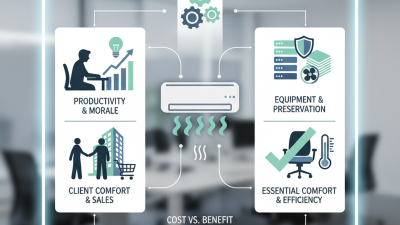
In today’s rapidly evolving industrial landscape, effective climate control is essential. Experts like Dr. Emily Carter, a leading authority in industrial air conditioning, emphasize, “Choosing the right air conditioning solution can enhance operational efficiency.” Industrial air conditioning systems are crucial for maintaining optimal conditions in manufacturing plants, warehouses, and large commercial spaces. The right system can improve productivity, reduce equipment failures, and enhance employee comfort.

As companies expand globally, they face unique challenges in selecting air conditioning solutions. Different climates and operational demands require tailored approaches. Industrial air conditioning is not a one-size-fits-all solution. Buyers often wrestle with balancing initial costs against long-term benefits. This leads to critical reflections on budgeting and system capabilities.

The market offers a myriad of options, each with distinctive advantages and drawbacks. Navigating this landscape can be daunting. However, informed decisions lead to sustainable results. Understanding diverse system functionalities is key to maximizing performance. Investing in the right industrial air conditioning solution is more than a purchase; it's a strategy for future success.
Top 10 Industrial Air Conditioning Solutions for Global Buyers?

Overview of Industrial Air Conditioning Solutions

Industrial air conditioning solutions are essential for maintaining optimal working conditions. They cater to large spaces, ensuring that temperatures remain comfortable. These systems play a crucial role in various industries, including manufacturing, pharmaceuticals, and data centers.

Understanding the different types of industrial air conditioning systems is vital. Options include centralized systems, split systems, and VRF (Variable Refrigerant Flow) systems. Each has unique advantages and should be chosen based on specific facility requirements. Centralized systems are efficient for large areas but might require significant installation work. Split systems offer flexibility but may not be suitable for very large operations.

Tips: Assess the cooling load accurately before selecting a system. Underestimating can lead to inefficiency. Regular maintenance is key to longevity and performance. It’s vital to monitor and adjust settings for changing needs. This ensures reliability and optimization. Remember, a poorly chosen air conditioning system can lead to increased energy costs and operational discomfort. Consider future growth when making decisions.

Top 10 Industrial Air Conditioning Solutions for Global Buyers

Solution Type Cooling Capacity (kW) Energy Efficiency (EER) Application Features
Chilled Water Systems 50 - 200 3.0 - 5.0 Large Commercial Buildings Customizable, Centralized Control
VRF Systems 15 - 45 3.5 - 6.0 Multi-Use Buildings Individual Zone Control, Compact Design
Package Units 20 - 150 2.8 - 4.5 Factories, Warehouses All-in-One Solution, Easy Installation
Close Control Systems 10 - 30 4.0 - 8.0 Data Centers, Telecommunication Precision Cooling, Humidity Control
Ductless Mini-Split Units 5 - 20 3.4 - 5.5 Small Offices, Individual Rooms Flexible Installation, Quiet Operation
Evaporative Coolers 10 - 100 3.5 - 7.0 Dry Climates, Open Spaces Cost-Effective, Eco-Friendly
Cooling Towers 200 - 1000 2.0 - 4.0 Industrial Plants, HVAC Systems Heat Rejection, Water Conservation
Fan Coil Units 5 - 50 3.5 - 5.5 Varied Indoor Applications Versatile, Silent Operation
Portable Air Conditioners 3 - 15 2.5 - 3.5 Temporary Cooling Needs Mobility, Ease of Use
Geothermal Heat Pumps 10 - 100 4.0 - 6.0 Residential, Small Industries Sustainable, Low Operating Costs

Key Factors in Choosing Air Conditioning Systems

When selecting industrial air conditioning systems, several key factors come into play. Understanding your specific cooling needs is crucial. The size of your facility significantly influences the type of system you should implement. A small warehouse cannot rely on the same technology as a large manufacturing plant. Evaluating space is the first step to achieving optimal comfort.

Energy efficiency is another critical consideration. Look for systems that offer advanced energy-saving features. Not only do they reduce operating costs, but they also minimize environmental impact. However, it’s essential to balance initial investment with long-term savings. Some high-efficiency systems have a steep price point, which might not align with every budget.

Lastly, maintenance requirements must be assessed. Frequent upkeep can lead to unexpected costs and downtime. Opting for systems with easier access to components can simplify repairs. It’s also worthwhile to consider the availability of local technicians familiar with the technology. This way, companies can reduce response time for service calls and minimize disruption.

Top 10 Industrial Air Conditioning Solutions for Global Buyers

Top 10 Air Conditioning Solutions for Industrial Needs

Industrial air conditioning is essential for maintaining optimal working conditions. Selecting the right solution can enhance productivity while ensuring comfort for employees. When considering options, it is crucial to assess the specific needs of your facility. Each industry has unique requirements, which means a one-size-fits-all approach may not work.

Understanding the cooling capacity is vital. Properly calculated BTU needs can prevent overworking your system. Inadequate cooling leads to discomfort and reduced efficiency. Seek solutions that provide energy efficiency, as this can significantly lower operational costs. Make use of advanced technology, such as smart thermostats, which can optimize your energy use.

Tips: Regular maintenance can extend the life of any cooling system. Routine checks on coils and filters prevent breakdowns. Consider investing in an air conditioning solution tailored to your industry’s demands. This can lead to higher reliability and performance. Also, remember to prioritize air quality alongside temperature control. Good ventilation is essential in industrial settings for worker health.

Comparative Analysis of Leading Brands and Models

The industrial air conditioning market is evolving rapidly, driven by innovation and the need for efficiency. A recent report indicated that the global market for industrial air conditioning systems is projected to reach $23 billion by 2027, growing at a compound annual growth rate (CAGR) of 5.4%. This growth is spurred by rising temperatures and strict regulations on indoor air quality.

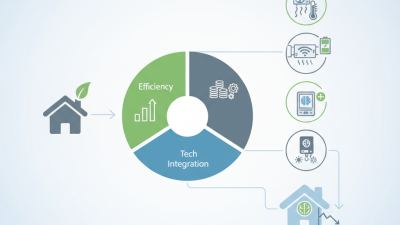
In this landscape, leading brands are focusing on energy efficiency and smart technology integration. Modern air conditioning units boast efficiencies over 20 SEER (Seasonal Energy Efficiency Ratio), dramatically reducing operational costs. Many units now include smart thermostats, allowing for precise control over temperature and airflow. However, integrating these advanced systems often leads to complexities in installation and maintenance. Some facilities report increasing challenges in finding qualified technicians.

Moreover, while high-efficiency models promise lower energy costs, the upfront investment can be significant. Some businesses hesitate to upgrade due to financial constraints, despite long-term savings. Reliability can also be a concern; improper installation may lead to system failures, causing operational disruptions. Thus, while the market presents robust solutions, the path to implementation is fraught with considerations that warrant careful evaluation.

Future Trends in Industrial Air Conditioning Technologies

The future of industrial air conditioning technology is evolving rapidly. According to a recent report by MarketsandMarkets, the global industrial refrigeration market is projected to reach $36.3 billion by 2026, growing at a CAGR of 5.8%. This growth indicates a shift towards more efficient and sustainable systems. Presently, businesses are increasingly prioritizing energy efficiency and environmental impact.

One notable trend is the integration of IoT technology in air conditioning systems. Smart sensors and controls are becoming commonplace. These innovations allow for real-time monitoring and adjustments, optimizing energy use. Data from the International Energy Agency suggests that energy-efficient technologies could save companies around 10-30% on their energy bills.

However, despite these advancements, challenges remain. Many manufacturers struggle with high initial costs of new systems. Additionally, there's a lack of skilled technicians for installation and maintenance. Companies must weigh these factors against potential long-term savings. Investing in training and development can help bridge this gap. As the industry continues to innovate, organizations are encouraged to stay informed and adapt to these technological transformations.