2026 Top Air Conditioning Trunking Manufacturers?

As global temperatures rise, the demand for reliable cooling infrastructure is becoming harder to ignore. The International Energy Agency reports that space cooling demand could triple by 2050 without stronger efficiency measures. Cooling already represents a significant share of global electricity use. This pressure is reshaping how contractors, developers, and facility owners evaluate air conditioning trunking. It must protect refrigerant lines, drain pipes, and cables while supporting safer, cleaner installations.

This 2026 guide examines leading air conditioning trunking manufacturers through practical and technical criteria. These include material durability, UV resistance, fire performance, weather sealing, installation speed, and long-term component availability. ASHRAE technical guidance emphasizes correctly designed HVAC systems, but external protection is often overlooked. That small detail can cause visible damage. Cracked covers, loose joints, and discolored plastic are common warning signs on poorly specified projects.

The UNEP-led Global Cooling Watch 2023 report also warns that cooling demand may more than triple by 2050 under business-as-usual conditions. Manufacturers therefore face growing expectations for efficient production and lower-impact materials. Recyclability matters, but it should not replace real-world performance. A lightweight trunking system may install quickly, yet fail under intense sunlight or coastal humidity. No ranking is flawless. Supplier documentation can be incomplete, regional product lines may differ, and laboratory results cannot reproduce every rooftop. This overview combines published industry evidence, manufacturer capabilities, and installation experience to identify companies worth serious consideration in 2026.
2026 Top Air Conditioning Trunking Manufacturers?

What Is Air Conditioning Trunking and How Is It Used?

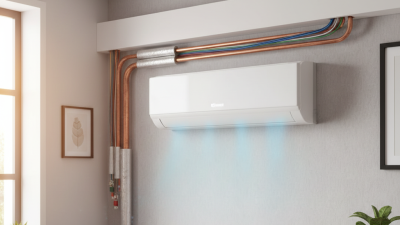
Air conditioning trunking is a protective channel for refrigerant pipes, drain hoses, and electrical cables. It is commonly installed with split air conditioning systems. The channel hides the pipework and creates a cleaner wall appearance. It also shields insulation from sunlight, rain, impact, and accidental damage.

Most trunking uses rigid PVC, although metal options suit industrial or high-temperature locations. A technician measures the pipe bundle before selecting the size. Crowded trunking can crush insulation and restrict maintenance. That weakens efficiency. It looks neat, though.

During installation, the trunking follows walls, ceilings, or service routes with gentle bends. Sharp bends may kink pipes or leave ugly gaps. The condensate drain needs continuous downward fall, so water can flow away from the indoor unit. Installers should also leave access near joints, valves, and inspection points. Sealed end caps help prevent insects and dust from entering.

Good trunking work depends on more than appearance. Experienced installers check pipe insulation, cable separation, fixing intervals, and outdoor exposure. They also verify that the cover closes without forcing it. In practice, this detail is often rushed. That deserves more attention. A poor route can make future servicing slower and more expensive, even when the air conditioner operates normally. Local building requirements and electrical safety rules should guide the final installation.

2026 Top Air Conditioning Trunking Manufacturers? What Is Air Conditioning Trunking and How Is It Used?

Air conditioning trunking is a protective enclosure used to route and conceal refrigerant pipes, condensate drain hoses, communication cables, and power cables in split air-conditioning installations. The chart shows representative nominal trunking widths commonly used for different installation configurations.

Narrow profiles are generally suitable for compact single-split installations, while wider profiles provide additional space for larger insulated refrigerant lines, drainage, multiple cables, and easier maintenance access. Actual sizing depends on pipe diameter, insulation thickness, bend radius, drainage slope, local electrical requirements, and the installation manufacturer’s specifications.

Data basis: representative nominal enclosure widths used in residential and light-commercial split-system installations; dimensions are indicative rather than a universal industry standard.

How to Evaluate Air Conditioning Trunking Manufacturers in 2026

When evaluating air conditioning trunking manufacturers in 2026, inspect more than surface appearance. Request material certificates, production records, and test reports for every proposed product. A reliable manufacturer should explain its resin, wall thickness, UV resistance, fire behavior, and temperature range clearly. Vague answers are warning signs.

Ask for physical samples before approving a large order. Check whether covers close evenly, joints remain firm, and corners align without excessive force. Measure internal space with actual refrigerant pipes and insulation, not empty drawings. Experienced suppliers can provide installation guidance, cutting recommendations, and replacement-part information. Their documentation should include batch numbers, dimensional tolerances, and quality-control procedures. Independent testing adds credibility, especially for projects exposed to sunlight, humidity, or coastal air.

Production capacity also deserves practical verification. Review lead times during peak cooling seasons, packaging quality, and inspection methods. A factory visit or video audit may reveal storage problems that brochures hide. Still, audits are not perfect. I have seen polished samples fail because later batches changed slightly. Build approval around repeatability, not one attractive sample. Compare warranty terms carefully, including color fading, cracking, and connector failure. Ask how complaints are recorded and resolved. The best choice is not always the cheapest or largest manufacturer. It is the supplier that provides consistent dimensions, traceable evidence, and honest limits. Some evaluations remain uncertain. That is normal. Document the uncertainty and test again before installation.

Key Products, Materials, and Technical Features to Compare

2026 Top Air Conditioning Trunking Manufacturers?

Comparing manufacturers starts with the product range, not the catalogue cover. Look for straight sections, elbows, reducers, access panels, flexible connectors, and sealed transitions. Accurate dimensions matter because a two-millimetre gap can create visible air leakage. Check whether each section supports standard ceiling spaces and service clearances. A practical supplier should provide installation drawings, pressure data, and replacement-part guidance.

Material selection changes performance. Galvanized steel offers strength and reasonable cost for commercial interiors. Aluminum reduces weight and resists moisture, but it may need stronger joint design. Stainless steel suits corrosive or hygienic environments, although its price is higher. Insulated panels can reduce heat gain and condensation. Review insulation thickness, thermal conductivity, surface durability, and fire-test documentation. Do not accept vague claims such as “high efficiency.”

Technical comparisons should include leakage class, operating pressure, joint sealing, acoustic performance, and corrosion protection. Factory-made corners often fit better than heavily modified site sections. Ask how manufacturers control tolerances and inspect seams. I have seen attractive systems fail because installers lacked suitable suspension hardware. The trunking was good; the installation was not.

Request samples before large orders. Measure panel flatness, coating consistency, edge safety, and gasket compression. Check documentation against the intended building conditions. No comparison is perfect. A lower-cost option may win initially, but difficult cleaning or frequent seal replacement can change the real cost. Manufacturer experience matters most when drawings, site limits, and airflow requirements conflict.

Leading Air Conditioning Trunking Manufacturers for 2026

2026 Top Air Conditioning Trunking Manufacturers?

The leading air conditioning trunking manufacturers for 2026 will be judged by more than appearance. Experienced manufacturers should offer precise dimensions, durable materials, and clear installation guidance. Their trunking must protect refrigerant pipes, drain lines, and electrical cables in demanding indoor environments.

Look for products with smooth internal surfaces, secure covers, and clean corner fittings. These details reduce installation time and prevent sharp bends around pipes. Strong manufacturers also provide test data for impact resistance, temperature tolerance, and fire performance. Reliable technical support matters when a project includes crowded ceilings or uneven walls. Certification is useful, but installers should still check the actual documentation.

Tips: Measure the pipe route twice before ordering. Leave space for insulation and future maintenance. Choose fittings that match the trunking profile, not only its color. A small mismatch can create visible gaps.

Manufacturers investing in recyclable materials and lower-waste packaging may gain attention in 2026. However, environmental claims need evidence. Ask for material information and product-life guidance. No selection is perfect. Some lightweight systems install quickly but may feel less rigid. Heavy-duty systems offer strength, yet they can require more labor. The best choice depends on climate, building use, installer experience, and long-term service access.

2026 Top Air Conditioning Trunking Manufacturers? - Leading Air Conditioning Trunking Manufacturers for 2026

Evaluation Dimension Industry-Leading Benchmark for 2026 Common Product or Service Evidence Importance
Product Scope A complete range of PVC, aluminum, galvanized steel, and accessories for air-conditioning pipe and cable routing. Straight sections, elbows, tees, reducers, couplers, end caps, mounting clips, and inspection covers. High
Material Selection Material options matched to indoor exposure, ultraviolet exposure, humidity, impact risk, and installation environment. Material declarations, technical datasheets, corrosion information, and application guidance. High
Dimensional Accuracy Consistent width, height, wall thickness, cover fit, and accessory compatibility across production batches. Dimensional tolerances, inspection records, sample approval procedures, and batch traceability. High
Thermal Performance Suitable performance across the temperature range expected for indoor and outdoor air-conditioning installations. Temperature-resistance data, heat-aging test results, and installation limitations. High
Fire Performance Fire behavior and flame-spread performance documented for the selected material and intended market. Independent fire-test reports, product classification, and applicable local compliance documents. Critical
Mechanical Strength Adequate resistance to impact, cover removal, deformation, and installation loads. Impact-test data, load guidance, fastening recommendations, and installation instructions. High
Weather and UV Resistance Outdoor products provide documented resistance to sunlight, rain, moisture, and expected environmental exposure. UV-aging results, outdoor-use classification, color-retention data, and sealing recommendations. High
System Compatibility Trunking dimensions and accessories accommodate insulated refrigerant lines, condensate hoses, control cables, and power cables as specified. Cross-section drawings, fill guidance, compatibility charts, and project-specific layout support. Critical
Installation Efficiency Fast assembly with accurately fitting covers, pre-designed fittings, simple cutting, and secure wall fixing. Installation manuals, CAD drawings, cutting guides, and accessory availability. High
Quality Management Documented quality-control procedures covering raw materials, extrusion or forming, assembly, packaging, and final inspection. Quality certificates, inspection plans, nonconformance procedures, and production traceability. Critical
Standards and Compliance Products evaluated against applicable cable trunking, electrical installation, building, fire, and environmental requirements. Declarations of conformity, laboratory reports, applicable IEC or regional standard references, and safety documentation. Critical
Customization Capability Ability to provide non-standard lengths, colors, profiles, packaging, labeling, and project-specific fittings. Minimum order quantities, tooling lead times, engineering drawings, and sample-development process. Medium
Supply Reliability Stable raw-material sourcing, repeatable production capacity, and clearly defined lead times for standard and custom items. Capacity statements, inventory policy, order history, delivery performance, and contingency planning. Critical
Sustainability Profile Efficient material use, recyclable material options, controlled production waste, and transparent environmental documentation. Recycled-content information, environmental declarations, waste-reduction records, and recycling guidance. Medium
Technical Support Responsive support for product selection, routing design, quantity estimation, installation, and compliance documentation. Technical response times, BIM or CAD files, installation training, and after-sales procedures. High

Assessment note: Manufacturer selection should be verified against project specifications, local regulations, applicable standards, product test reports, and current delivery capability.

How to Choose the Right Manufacturer for Your Project

2026 Top Air Conditioning Trunking Manufacturers?

Choosing an air conditioning trunking manufacturer should begin with project conditions, not online rankings. Experienced suppliers understand ceiling voids, humid plant rooms, narrow service corridors, and difficult installation access. Ask how many comparable projects they have completed. Request drawings, material samples, and recent project references. A polished website is not enough.

Check the trunking’s material, wall thickness, joint design, and resistance to corrosion. For commercial buildings, confirm fire performance and compatibility with local construction requirements. Reliable manufacturers explain testing methods instead of making vague claims. Review production controls, dimensional inspections, packing procedures, and delivery records. One missed fitting can delay an entire floor.

Factory communication matters too. Can their engineers review your load schedule and routing drawings? Do they provide clear shop drawings before production? Ask about replacement parts, technical support, and warranty conditions. A low quotation may hide weak packaging or expensive site modifications. I have underestimated those costs before. It was an avoidable mistake.

Visit the factory when practical, even if the meeting feels unnecessary. Observe storage areas, cutting equipment, inspection points, and worker safety practices. Compare at least three written quotations using the same specifications. The best choice may not be the cheapest one. It should offer traceable quality, realistic lead times, and advice that improves installation rather than complicates it.