How to Choose Aircon Trunking for Global Projects?

Choosing aircon trunking for a global project is not simply a matter of selecting the right size or finish. It affects installation speed, system protection, maintenance access, and the visual quality of each building. A trunking system that performs well in a dry office may fail in a coastal hotel, a dusty warehouse, or a high-temperature plant room.

Project conditions matter. Engineers should review pipe dimensions, insulation thickness, refrigerant routes, cable separation, access points, and expected temperature changes. Material selection also requires care. PVC may suit many indoor applications, while coated metal or other robust options may be more appropriate where impact, heat, or fire performance requires closer attention. Local building codes and project specifications must guide the final decision.

Real projects rarely follow the drawing perfectly. Walls shift, equipment moves, and installers discover unexpected obstacles. That reality makes practical coordination essential. Experienced contractors often check sample lengths, corner fittings, joint quality, and cover removal before approving large quantities. Small details matter.

No selection guide is perfect. A low-cost product can become expensive when covers crack or maintenance becomes difficult. Conversely, an over-engineered solution may waste budget and installation time. Reliable suppliers should provide clear technical data, testing information, dimensional drawings, and consistent production quality. They should also explain limitations rather than promise universal performance. The right aircon trunking balances protection, appearance, compliance, availability, and long-term service needs across every project location.
How to Choose Aircon Trunking for Global Projects?

Aircon Trunking: Definition, Purpose, and Main Types

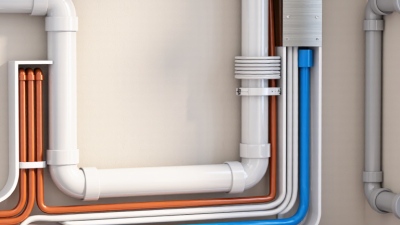
Aircon trunking is a protective channel for refrigerant pipes, drain hoses, and control cables. It keeps line sets aligned, shields them from sunlight and impact, and gives walls a cleaner finish. The International Energy Agency reports that cooling uses about 10% of global electricity. That figure makes efficient, maintainable installation increasingly important.

Common types include surface-mounted PVC trunking, aluminum trunking, flexible covers, and concealed systems. PVC is lightweight and suitable for many indoor projects. Aluminum handles stronger sunlight, temperature changes, and physical contact. Flexible covers help around corners, but they may look less uniform over long distances.

Outdoor trunking should resist ultraviolet exposure, rain, and moisture. Fire performance also matters, especially in commercial buildings.

Global projects need more than a matching color. Check pipe capacity, bend radius, drainage slope, access points, and local fire requirements. The IEA’s Future of Cooling report expects the number of air conditioners to reach about 5.6 billion by 2050, up from roughly 2 billion today. Poorly sized trunking can restrict maintenance and trap condensation. A neat cover is not enough. On site, small gaps often collect dust and insects. That detail is easy to overlook. UNEP’s Global Cooling Watch 2023 also warns that cooling demand could more than triple by 2050 without stronger efficiency measures. Choosing durable trunking supports longer service life, although material selection still requires project-specific review.

Project Requirements: Climate, Building Layout, and System Capacity

How to Choose Aircon Trunking for Global Projects?

Climate should guide trunking selection before appearance does. In coastal regions, salty air can accelerate corrosion around joints and supports. Hot climates also increase insulation stress and surface temperatures. The IEA’s The Future of Cooling report projects global space-cooling energy demand could more than triple by 2050. That growth makes thermal protection and maintenance access increasingly important. For humid sites, choose sealed trunking with moisture-resistant insulation. For dusty locations, use covers that close firmly. In cold climates, check condensation risks during seasonal changes. Small details matter.

Building layout decides the route. Measure ceiling voids, service corridors, wall thickness, and access panels before ordering lengths. A narrow hotel corridor may require slim trunking, while a plant room needs wider sections for bends and future servicing. Keep refrigerant pipes, drain lines, and control cables organized without forcing tight curves. Poor routing can create noise, heat loss, and difficult repairs. I have seen attractive installations become maintenance problems because access was treated as an afterthought.

Tips: Match trunking size to the selected system capacity, pipe diameter, insulation thickness, and bend radius. Use a minimum clearance allowance for expansion and future upgrades. The UNEP Global Cooling Watch 2023 report warns that cooling demand is rising rapidly worldwide. Oversizing is not always safer; it can waste space and increase cost. Recheck airflow, drainage slope, fire requirements, and local construction rules. Some assumptions will be wrong. Test them on site.

Material and Design Selection for Different Global Environments

Choosing aircon trunking for global projects starts with the environment, not the catalogue. I have seen neat installations fail when local heat, salt, or dust was ignored. In coastal areas, corrosion-resistant metal or UV-stable engineered polymer can protect cable routes. Hot climates also need materials that resist softening and expansion. Cold regions demand impact resistance, especially during winter maintenance. No selection is perfect.

Material choice should match the building and service conditions. Metal trunking offers strength and effective fire performance when correctly specified. Polymer trunking is lighter and resists moisture, but its temperature limits require careful checking.

For humid sites, sealed joints and drainage-aware layouts reduce condensation risks. In dusty regions, covers should close firmly without making inspection difficult. One practical detail matters: leave space for future cables.

Design must reflect installation habits, access needs, and local workmanship. Use rounded edges where technicians work frequently. Plan wider bends for insulated refrigerant lines and communication cables. Fixings should suit concrete, steel, masonry, or lightweight partitions. Confirm flame, smoke, electrical, and environmental requirements with qualified local professionals. Standards differ, and translations can hide important meanings. I would test a short sample run before full production. It may reveal weak clips, awkward corners, or poor cover alignment. That extra check costs time, but replacing trunking later costs more. Perhaps the original layout was too ambitious. That is worth admitting.

Installation Standards, Protection, and Long-Term Maintenance

How to Choose Aircon Trunking for Global Projects?

Aircon trunking must suit local installation standards, climate, and building conditions. Check national electrical codes before selecting dimensions or materials. Also review relevant IEC or equivalent standards where they apply. Requirements differ between a coastal warehouse and a dry commercial tower. Salt air can attack exposed metal quickly. Strong sunlight can weaken unsuitable plastic. Choose trunking with verified UV, impact, fire, and temperature performance. Keep power cables separated from control and communication cables. Provide enough space for airflow, bends, and future replacement. Crowded trunking creates heat and complicates repairs. It happens more often than drawings suggest.

Protection depends on installation detail, not only material choice. Use correct supports at regular intervals, especially near joints and vertical drops. Seal wall penetrations against water, dust, and fire spread according to the project code. Allow for thermal movement in long outdoor runs. Poorly planned expansion can open joints during hot weather. I have seen neat installations fail because condensate reached a connection point. Drainage and insulation deserve equal attention. No checklist is perfect. Site judgment still matters.

Long-term maintenance should begin before handover. Mark circuits clearly and keep updated routing records. Inspect covers, joints, fasteners, corrosion, and insulation damage during scheduled visits. Check for loose sections after vibration or building movement. Remove dust near access points, but avoid damaging cables or insulation. Record every repair with its date and location. This helps teams compare recurring faults across countries. Spare covers and joining pieces should be stored locally when practical. A small stock can prevent a long shutdown.

How to Choose Aircon Trunking for Global Projects?

This chart compares commonly specified IP ratings under IEC 60529. The first digit represents protection against solid objects and dust, while the second digit represents protection against water ingress. Higher values indicate a higher protection level, but the correct rating must be confirmed against the project environment and local installation rules.

For indoor dry areas, IP44 or IP54 may be suitable where permitted. Outdoor, wash-down, coastal, or dusty locations generally require a higher rating such as IP65 or IP66. Installation should follow the applicable cable-trunking system requirements, including IEC 61084, and maintenance should include periodic inspection of covers, joints, seals, supports, and UV or corrosion damage.

Cost, Compliance, and Supplier Evaluation for International Projects

How to Choose Aircon Trunking for Global Projects?

Cost, Compliance, and Supplier Evaluation for International Projects

Aircon trunking decisions begin with the project environment, not the catalog price. A coastal site may require stronger corrosion resistance and sealed joints. A high-temperature warehouse needs materials that remain stable under heat. Check dimensions, wall thickness, cable capacity, and installation clearances against the latest drawings. Small errors can create expensive rework.

Compliance varies between countries, building types, and project authorities. Request material declarations, fire-performance evidence, UV-resistance data, and test reports from recognized laboratories. Confirm whether local inspectors accept translated documents and digital certificates. Do not assume one approval works everywhere. It often does not. A qualified engineer should review the specification before purchase. This step protects safety and reduces approval delays.

Supplier evaluation should include more than unit cost. Compare tooling charges, packaging, freight, duties, installation accessories, and replacement risks. Ask for production samples with visible joints, covers, and bends. Review batch traceability, dimensional tolerances, inspection records, and complaint procedures. A factory audit can reveal poor storage, inconsistent labeling, or weak quality controls. Lead time matters when containers wait at customs. Request a realistic schedule, not an optimistic promise. A low quote may hide thin walls or incomplete accessories. We have seen procurement teams focus on price and overlook labor costs. That choice deserves honest review. Track every assumption in the purchase contract, including approved substitutions and delivery responsibilities.