Aircon trunking protects refrigerant pipes, cables, and drain lines while giving an installation a cleaner finish. For global buyers, choosing the right type is not only a design decision. Climate, wall construction, exposure to sunlight, and maintenance access all affect performance. A trunking system suited to a shaded indoor corridor may not last as well on a sunlit exterior wall.
This guide introduces ten common types, from standard PVC covers to heavier-duty and decorative options. Each has practical trade-offs. PVC is often lightweight and easy to cut, while metal may offer greater impact resistance in some settings. Flexible sections can help around awkward corners, but they may look less uniform. Details matter. The best choice depends on the route, equipment, and expected conditions—not just the product photo.
Before ordering, check dimensions, fittings, material descriptions, and the supplier’s installation guidance. Measure the full pipe bundle, including insulation, and allow room for bends and future access. Confirm that the selected product is appropriate for its intended indoor or outdoor use. Requirements and product specifications can vary by market, so buyers should verify them locally. A small mismatch can mean extra joints or a cover that will not close properly. It happens. Even a careful plan can miss a site-specific detail. Comparing the ten types can help buyers ask better questions and choose trunking that fits both the installation and its environment.
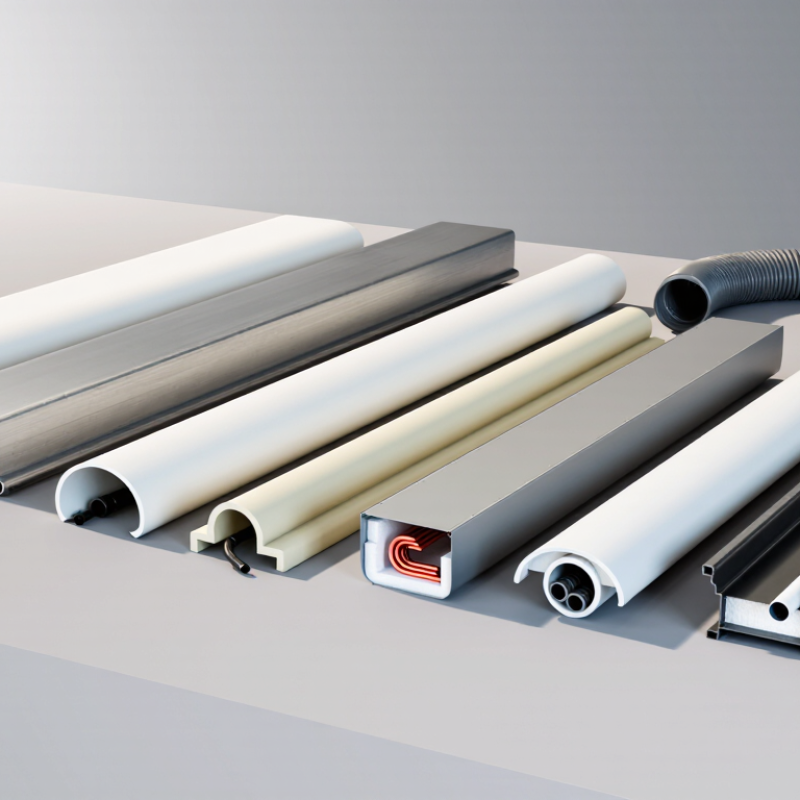
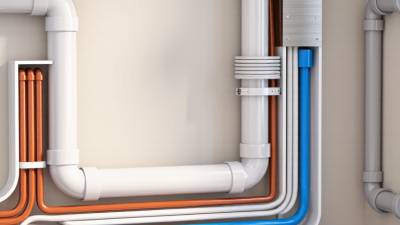
Aircon trunking is a protective channel that routes refrigerant pipes, condensate drains, and control cables between indoor and outdoor units. Its cover keeps lines together, reduces accidental knocks, and gives installations a cleaner finish. It does not replace pipe insulation or correct installation. That matters. Without suitable insulation, chilled pipes can sweat and leave water marks on walls or ceilings.
Most systems use a back plate or channel, a removable cover, and fittings such as bends, joints, and end caps. Materials and dimensions vary; the route should fit the pipe bundle without squeezing it. Installers also need to preserve the drain’s fall, avoid sharp bends, and leave access for inspection. Small details count. For outdoor runs, material suitability for sunlight and weather deserves attention, though a sheltered position can still help extend service life.
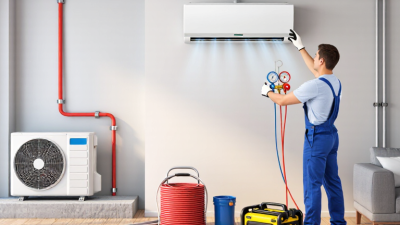
In homes, trunking often follows an exterior wall from a bedroom or living-room unit to a condenser. In offices and shops, longer routes may pass along corridors or service areas, where tidy cable separation and access are practical concerns. A perfectly straight route may look appealing, but it can complicate drainage or maintenance. Measure the actual line path before choosing fittings; site conditions rarely match a sketch exactly.
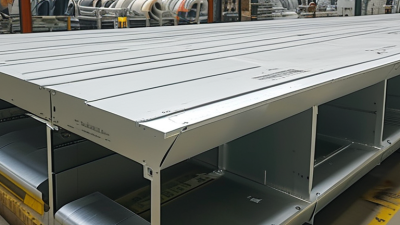
Aircon trunking choices range from slim PVC covers to metal channels, flexible sections, and larger multi-compartment ducts. The right material depends on the route and environment. PVC is light, easy to cut, and suitable for many indoor runs. For exposed areas, check its UV and temperature limits. Aluminum or coated steel can offer greater rigidity, but weigh more and may need careful corrosion protection. I have seen a tidy-looking route become awkward to service because the cover was chosen before the pipe layout was finalized.
Size the trunking around the insulated refrigerant pipes, drain hose, and any permitted cables—not just the bare pipe diameter. Leave room for bends and future access. Keep a little spare capacity. Measure twice. A crowded channel can pinch insulation or make the cover difficult to close. During installation, check that joints sit flush, edges do not damage insulation, and supports prevent sagging. Plan access near valves and connections, where a removable cover saves time later. Follow the equipment instructions and applicable local installation requirements; details can vary between sites. I would also recheck the drainage route on site, since a drawing rarely shows every obstacle.
| Type | Typical Material | Example Nominal Size (W × H) | Common Installation | Selection Notes |
|---|---|---|---|---|
| 1. Slimline trunking | Rigid PVC | About 40 × 30 mm | Surface-mounted indoors, usually along walls | Best for short, compact routes with small insulated pipework. Check the actual internal clearance before selecting. |
| 2. Mini split-line trunking | Rigid PVC | About 60 × 45 mm | Wall-mounted; indoor or protected outdoor runs | A compact option for many single-split installations. Confirm that the refrigerant pipes, insulation, drain hose, and any cables fit without compression. |
| 3. Standard PVC trunking | Rigid PVC | About 75 × 50 mm | Surface-mounted indoors or outdoors where the product is rated for exposure | A common general-purpose profile. Match the cover and fittings to the route, and use outdoor-rated material in direct sun or exposed locations. |
| 4. Large-capacity trunking | Rigid PVC or coated metal | About 100 × 60 mm or 120 × 75 mm | Surface-mounted on longer routes or where several services run together | Provides more routing space, but larger dimensions may be more visually prominent. Check bend radii, supports, and fitting availability. |
| 5. Flat-back trunking | Rigid PVC | About 80 × 60 mm | Fixed against a flat wall or façade | The flat rear face can sit neatly against a wall. The nominal size and usable internal space differ by product, so check drawings or samples. |
| 6. UV-resistant outdoor trunking | UV-stabilized PVC or another outdoor-rated polymer | Common profiles include about 75 × 50 mm and 100 × 60 mm | Exposed exterior walls and other sunlit routes | Look for documented UV and weather suitability. Standard indoor PVC may discolor or become brittle under prolonged outdoor exposure. |
| 7. Fire-performance-rated trunking | PVC or other material with tested fire-performance properties | Often available in standard profiles such as about 75 × 50 mm | Indoor routes where project specifications require documented fire performance | Do not assume a material is fire-rated from its appearance. Verify test reports, applicable local requirements, and the rating of the complete installed system. |
| 8. Galvanized-steel trunking | Galvanized steel | About 100 × 50 mm; product ranges vary | Commercial, service, or mechanically exposed areas | Offers greater mechanical protection than many plastic profiles. Consider weight, corrosion conditions, safe edge treatment, and suitable supports. |
| 9. Aluminum trunking | Aluminum or aluminum alloy | About 100 × 60 mm; product ranges vary | Commercial interiors or exposed routes needing a metal finish | Lightweight for a metal option and naturally corrosion-resistant in many environments. Check finish compatibility, fittings, and the manufacturer’s installation instructions. |
| 10. Flexible protective conduit | Flexible polymer or coated flexible metal, depending on application | Typically specified by internal diameter rather than width × height; confirm size against the insulated bundle | Short irregular sections, transitions, or locations where a rigid channel is impractical | Useful for routing flexibility, but it may not provide the same neat finish or accessibility as rigid trunking. Check bend limits and suitability for the location. |
| Important sizing note: Dimensions shown are illustrative nominal sizes, not universal standards. Actual external dimensions, internal clearance, fitting compatibility, and available profiles vary by product and market. Measure the insulated refrigerant pipes, condensate drain, and cables, allow room for bends and installation, and verify local building and fire requirements before purchase. | ||||
Aircon trunking varies by shape, capacity, and material.
Standard rigid PVC suits straight indoor runs, while slimline PVC keeps smaller pipe bundles discreet. Large-capacity PVC provides room for thicker insulation or multiple lines. Flexible PVC helps around mild bends, though tight curves can pinch insulation. UV-stabilized PVC is intended for sunnier locations, but its rating should be checked before outdoor use.
Metal options include lightweight aluminum and sturdier galvanized-steel trunking.
Aluminum is easy to handle; steel may better resist knocks. Design choices matter too: split-cover trunking opens for access, flat-back sections sit close to walls, and corner or offset sections guide pipework around edges.
Fit matters. Measure the insulated pipes, not just the bare copper lines, and allow space for drainage routing where needed. A tidy run is not automatically a sound one. I would recheck joints and cover closures after fitting; small gaps can admit dirt or rain, and product details differ.
Top 10 Types of Aircon Trunking for Global Buyers
Comparing Trunking Types for Residential, Commercial, and Industrial Use
Aircon trunking protects refrigerant pipes and gives installations a cleaner finish. Common options include standard PVC, UV-resistant PVC, slimline, corner, flat, flexible, aluminum, galvanized steel, stainless steel, and heavy-duty metal trunking. Residential rooms often suit PVC or slimline channels, which are light and easy to cut. For outdoor runs, check that the material is rated for sun and weather exposure. A tidy route still needs room for insulation and bends.
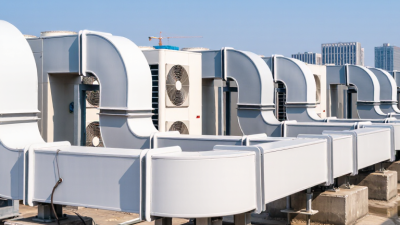
Commercial projects may use larger PVC channels or metal trunking where pipe runs are longer or more exposed. In factories and workshops, robust metal options can better resist knocks, but they add weight and may need more careful support. Stainless steel can be useful in damp or corrosive settings, though it is not automatically the best choice for every site. Match the trunking to the environment, pipe bundle, access needs, and installation guidance. There is no universal winner.
Tips: Measure the pipes with insulation fitted, then allow space for bends and future access. Small details matter. Avoid squeezing insulation to make a cover fit; that neat shortcut may create a maintenance problem later. Check the product’s stated indoor or outdoor suitability before ordering.
Typical suitability for residential, commercial, and industrial applications
Ratings are indicative comparative guidance on a 1–5 scale, not measured performance or a universal standard. Suitability depends on local codes, exposure, load, installation conditions, and the specific product. Cable trays and conduits are related routing systems rather than enclosed trunking.
For aircon trunking, compliance starts with the destination market, not the catalogue. Check applicable dimensional, fire-performance, and electrical-safety requirements with the project team before ordering. Requirements can vary by building type and region. Ask suppliers for current test reports and installation instructions, then confirm that the documents cover the exact material and configuration being quoted.
Compatibility is just as practical. Measure the insulated pipe bundle, cable runs, and required bend radius; a trunk that fits bare pipes may not fit the finished installation. Compare channel dimensions, cover design, joints, elbows, and tees across the full route. Also consider heat, sunlight, and moisture where the trunking will be installed. Small details matter. A cover that looks secure in a sample can loosen after repeated servicing, so inspect the locking fit and access points.
Supply reliability deserves close checking. Request sample lengths or a small trial order when dimensions are unfamiliar, and confirm that fittings come from the same production specification. Ask about carton lengths, packing protection, batch consistency, lead times, and spare-part availability. Clear drawings help prevent costly site changes. I have seen buyers focus on unit price and overlook fitting compatibility; that can be costly. Still, no checklist replaces a measured site survey, especially in older buildings with uneven walls.