What Are the Top Air Conditioning Types for 2026?

Choosing the right air conditioning system in 2026 will involve more than comparing cooling capacity or purchase price. Energy use, refrigerant policy, indoor comfort, installation quality, and local climate will matter just as much. The International Energy Agency’s report, The Future of Cooling, projects that the global stock of air conditioners could reach 5.6 billion units by 2050. That growth makes efficient equipment increasingly important.

Fatih Birol, Executive Director of the IEA, described cooling as “one of the most critical blind spots in today’s energy debate.” His warning still feels relevant. A ductless mini-split may suit a renovated room with no existing ductwork. A ducted heat pump can provide quieter, whole-home comfort. Variable refrigerant flow systems may fit offices, hotels, and buildings with different temperature zones. Window and portable units remain practical for renters, but they often compromise efficiency and noise.

The details are tangible. A poorly sealed duct can waste cooled air before it reaches the bedroom. A dirty filter can restrict airflow within weeks. Even an excellent system can perform badly when sizing is careless. That point is easy to overlook.

This guide compares the leading air conditioning types for 2026. It considers efficiency ratings, maintenance demands, climate suitability, controls, and installation realities. No single system wins everywhere. The best choice may still depend on assumptions that deserve closer questioning.
What Are the Top Air Conditioning Types for 2026?

Understanding How Air Conditioning Systems Work

What Are the Top Air Conditioning Types for 2026?

Understanding how an air conditioner works makes its design easier to compare. Every system moves heat, rather than creating cold air. A compressor pressurizes refrigerant and sends it toward the outdoor condenser coil. There, heat leaves the refrigerant and escapes outside. The cooled liquid then passes through an expansion device, which lowers its pressure. Inside the home, the evaporator coil absorbs heat from indoor air. A blower pushes the cooled air through rooms.

Split systems remain practical for homes with existing ductwork. Their outdoor unit handles heat release, while the indoor coil manages cooling and dehumidification. Ductless systems use separate indoor units and suit additions or older houses without ducts. Heat pumps use the same refrigeration cycle, but they can reverse direction during colder weather. Variable-speed compressors adjust output gradually. This often improves comfort and reduces temperature swings.

Real-world performance depends on installation, not just system type. A blocked filter can restrict airflow and make the evaporator coil too cold. Poorly sealed ducts may cool an attic instead of a bedroom. I have found that a quiet system can still perform badly when humidity remains high. No system is perfect.

Look for correctly sized equipment, accessible filters, and clear drainage. Oversized units may shut off too quickly, leaving rooms damp. Efficiency ratings help, but they cannot repair weak airflow or careless installation. A qualified technician should measure load requirements, inspect ductwork, and verify refrigerant performance after installation.

Comparing the Main Air Conditioning Types for 2026

What Are the Top Air Conditioning Types for 2026?

Comparing the Main Air Conditioning Types for 2026

Choosing an air conditioner in 2026 depends on room size, insulation, climate, and daily usage. There is no universal winner.

Central air conditioning remains practical for larger homes with existing ductwork. It cools several rooms evenly, but damaged ducts can waste energy inside hot attics. A professional load calculation matters. Oversized equipment may cool quickly, yet leave rooms damp and uncomfortable.

Ductless mini-split systems offer separate temperature control for bedrooms, additions, and older homes without ducts. Their outdoor units run quietly, while indoor units provide targeted cooling. However, several wall-mounted units can affect interior appearance. Installation quality also matters more than many buyers expect. Poor refrigerant lines or weak drainage can create future problems.

Window and portable units suit renters, small rooms, or limited budgets. They cost less upfront. They can also be noisy. Portable models may struggle in large spaces, especially during prolonged heat. Variable-speed systems generally provide steadier temperatures and lower operating noise, but their higher purchase price needs careful comparison. Heat-pump systems deserve attention because they can cool and heat, although cold-weather performance varies by design and location.

A sensible decision starts with measured room dimensions, electrical capacity, sunlight exposure, and local repair access. Online sizing tools are useful, but they can miss building details. My view has changed after comparing real installations: the most efficient unit is not always the best choice when maintenance is difficult or replacement parts are unavailable.

What Are the Top Air Conditioning Types for 2026? Comparing the Main Air Conditioning Types for 2026

Air Conditioning Type How It Works Typical Cooling Capacity Energy Efficiency Potential Installation Requirements Noise Level Maintenance Needs Best Use Case Main Advantages Key Limitations
Central Split-System Air Conditioner Uses an outdoor condenser and an indoor evaporator coil connected to a forced-air duct system. Approximately 1.5–5 tons, or about 18,000–60,000 BTU per hour. High when correctly sized
Modern systems are commonly rated using SEER2; actual performance depends on climate, ductwork, and installation quality.
Requires compatible ductwork, indoor and outdoor equipment, refrigerant lines, electrical service, and professional installation. Low to moderate indoors; most operating sound comes from the outdoor unit and air handler. Replace or clean filters regularly, keep outdoor coils clear, inspect condensate drainage, and schedule periodic professional service. Whole-home cooling where ductwork already exists. Even temperature distribution, discreet indoor appearance, strong whole-home capacity, and broad compatibility with thermostats. Higher installation cost when ducts are absent; duct leakage and poorly insulated ducts can reduce efficiency.
Ductless Mini-Split Air Conditioner Transfers heat between an outdoor unit and one or more indoor wall-, ceiling-, or floor-mounted units without central air ducts. Approximately 0.5–4 tons, or about 6,000–48,000 BTU per hour, depending on the configuration. Very high potential
Variable-speed compressors and the absence of duct losses can improve efficiency, especially in zoned applications.
Requires refrigerant line sets, drainage, electrical connections, and wall or ceiling penetrations; professional installation is normally required. Low indoors; indoor units are generally quieter than window or portable units. Clean filters and indoor coils, keep the outdoor unit unobstructed, and inspect condensate drainage. Homes without ducts, room additions, converted spaces, and room-by-room temperature control. Efficient zoning, flexible installation, quiet operation, and limited structural work compared with adding ducts. Visible indoor units, multiple units may be needed, and installation can cost more than a single-room unit.
Air-Source Heat Pump Moves heat between the building and outdoors; it provides cooling in summer and reverses operation to provide heating in winter. Approximately 1.5–5 tons, or about 18,000–60,000 BTU per hour for common residential systems. High year-round potential
Cooling efficiency is measured with SEER2, while heating performance is evaluated with ratings such as HSPF2 and COP.
Available in ducted and ductless designs; requires outdoor equipment, indoor equipment, electrical service, and suitable system controls. Low to moderate, depending on the indoor and outdoor equipment. Similar to other split systems, including filter care, coil cleaning, drainage inspection, and periodic system checks. Homes seeking one system for both cooling and heating, particularly in moderate or mixed climates. Provides cooling and heating, can reduce dependence on combustion heating, and supports efficient zoning in suitable designs. Performance and operating cost depend strongly on outdoor temperature, electricity prices, system sizing, and backup-heating requirements.
Packaged Air Conditioner Places the compressor, condenser, evaporator coil, and air handler in one outdoor cabinet connected to indoor ductwork. Approximately 2–5 tons, or about 24,000–60,000 BTU per hour. Moderate to high
Efficiency depends on the equipment rating, duct condition, controls, and climate.
Requires a suitable roof or ground-level pad, duct connections, electrical service, and clear outdoor access. Moderate; most major components are located outside the living area. Requires filter replacement, coil and cabinet cleaning, condensate-line inspection, and professional checks. Homes and low-rise buildings where indoor mechanical-room space is limited. Compact all-in-one design, simpler equipment layout, and easier outdoor access for certain service tasks. Requires ductwork; a fault can affect the complete packaged system, and roof-mounted units may be less accessible.
Window Air Conditioner Combines the cooling coil, condenser, fan, and compressor in one unit installed in a window or a purpose-built wall opening. Approximately 5,000–25,000 BTU per hour for common residential models. Moderate
Efficiency varies by capacity, controls, room conditions, and the unit’s certified energy rating.
Needs a correctly sized window or wall opening, structural support, weather sealing, and an appropriate electrical outlet. Moderate to high because the compressor and fan are close to the room. Clean the filter, remove dust from the coil, inspect the drain path, and maintain the exterior section. Individual rooms, apartments, temporary cooling, and spaces without central ductwork. Lower upfront cost, relatively simple installation, and effective cooling for a single room. Blocks part of a window, can admit outdoor noise, usually offers limited zoning control, and may reduce natural light.
Portable Air Conditioner Uses a mobile indoor unit that exhausts hot air through a window hose; some models use one hose and others use two. Approximately 8,000–14,000 BTU per hour, with capacity depending on the rating method and configuration. Low to moderate
Efficiency is affected by exhaust-hose heat, room air leakage, and whether the unit uses one or two hoses.
Requires floor space, a nearby window or vent opening, an exhaust kit, and access to an electrical outlet. Moderate to high because the compressor and fan operate inside the room. Clean filters, empty or route condensate as required, inspect the exhaust hose, and keep air inlets clear. Short-term cooling, rented homes, rooms where window units are unsuitable, and occasional use. Movable between rooms, no permanent installation, and suitable for buildings with restrictions on exterior equipment. Generally less efficient and noisier than split systems; occupies floor space and may require frequent condensate management.
Evaporative Cooler Uses water evaporation to cool air rather than a vapor-compression refrigeration cycle. Cooling capacity is commonly specified by airflow rather than standard air-conditioner BTU ratings. Very efficient in dry climates
Electricity use is usually low, but cooling performance declines as outdoor humidity rises.
Requires water supply or manual filling, air movement through the space, and adequate ventilation or open windows. Low to moderate, depending on fan speed and installation. Requires frequent water-system cleaning, pad replacement, mineral-scale control, and reservoir maintenance. Dry climates with low outdoor humidity and buildings that can provide adequate ventilation. Low electricity consumption, fresh-air operation, and relatively simple mechanical design. Not suitable for humid climates; adds moisture indoors and cannot provide the same dehumidification as refrigerated air conditioning.

Note: Capacity, efficiency, noise, and operating cost vary by climate, building envelope, equipment size, controls, installation quality, and maintenance. SEER2 and HSPF2 ratings are seasonal performance metrics; local regulations and minimum efficiency requirements may differ in 2026.

Evaluating Energy Efficiency, Comfort, and Smart Features

What Are the Top Air Conditioning Types for 2026?

Evaluating Energy Efficiency, Comfort, and Smart Features

In 2026, variable-speed heat pumps, inverter split systems, and ductless mini-splits remain strong choices. Energy efficiency comes first. Variable-speed compressors adjust output gradually instead of repeatedly switching on and off. This reduces temperature swings and may lower electricity use. Ductless systems suit older homes where installing large ducts would be disruptive. Heat pumps also provide heating, improving year-round value in moderate climates.

Comfort is personal. A quiet bedroom may need different settings from a sunny kitchen. Multi-zone systems let occupants control separate rooms, although poor placement can create uneven temperatures. During a home assessment, I look for airflow, insulation, window exposure, and humidity. A highly efficient unit can still feel uncomfortable when the return vent is blocked. Small details matter.

Smart features now include occupancy sensors, remote scheduling, filter reminders, and energy reports. These tools can prevent cooling an empty house, but automation is not always reliable. Sensors may misread pets, sunlight, or a quiet occupant. My early assumption was that more connected features always meant better performance. It did not. Simple controls often work better for older users and busy households. Buyers should compare certified efficiency ratings, sound levels, repair access, warranty terms, and installation quality. A professional load calculation remains essential because an oversized system may cool quickly while leaving indoor air damp.

Matching Each System to Different Home and Building Needs

What Are the Top Air Conditioning Types for 2026?

Matching Each System to Different Home and Building Needs

Choosing an air conditioning system in 2026 depends more on the building than on the latest feature list. A small bedroom may suit a high-efficiency split system with variable-speed control. It adjusts output gradually, avoiding the sharp starts and stops common in older units. This can improve comfort during humid nights. Installation quality still matters more than many buyers expect.

Open-plan homes often benefit from ducted air conditioning. Hidden ducts create a cleaner appearance and distribute air across several rooms. However, poor duct sealing can waste energy inside ceilings or wall cavities. Zoned controls help, but complicated settings may confuse occupants. A practical installer should measure room loads, insulation, window exposure, and airflow before recommending equipment.

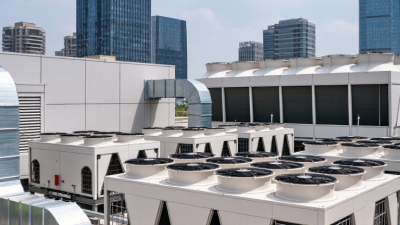
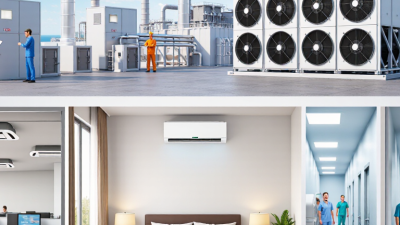
Larger offices, hotels, and mixed-use buildings may need a variable refrigerant flow system. It can serve many zones with different temperature needs. Heat pump systems also suit homes seeking heating and cooling from one installation. They perform well in moderate climates, though extreme weather can reduce efficiency. Portable and window units remain useful for rentals, small extensions, or temporary cooling. They are less quiet and may struggle in large spaces. Real-world results can differ from laboratory ratings. Dusty filters, blocked outdoor coils, and poorly sized equipment quickly change performance. A careful assessment, followed by regular maintenance, usually matters more than choosing the most expensive system.

Choosing the Best Air Conditioner for Your Budget and Climate

Choosing an air conditioner starts with your climate, room size, and monthly budget.

In humid regions, a properly sized split system removes moisture more effectively than an oversized unit. A large unit may cool quickly, but it can stop before drying the room. That is uncomfortable. In dry climates, evaporative cooling may use less electricity, but it performs poorly when humidity rises. Portable units suit renters, while window units can cool one room cheaply. However, their noise and installation limits are easy to underestimate.

Energy efficiency matters over the equipment’s lifetime.

The International Energy Agency reports that space cooling uses about 10% of global electricity. The U.S. Energy Information Administration’s 2020 Residential Energy Consumption Survey found air conditioning in roughly 88% of U.S. homes. These figures make operating cost a serious selection factor. Compare seasonal efficiency ratings, not only purchase prices.

In colder areas, a reversible heat pump can provide cooling and heating. Yet extreme cold may require backup heat. This detail is often missed.

Tips:

Ask for a room-load calculation before buying. Check insulation, window direction, and local humidity. Choose variable-speed operation when comfort and quieter nights matter. Clean filters regularly, and inspect drainage before summer. A slightly smaller, correctly sized system may outperform a powerful model. Still, published efficiency ratings assume controlled conditions. Your real bill may differ because of duct leaks, poor shading, or frequent door opening. Budget for installation and maintenance, not just the appliance.