What Are the 2026 Top Aircon Systems Types?
What Are the 2026 Top Aircon Systems Types?
Choosing among aircon systems in 2026 will require more than comparing cooling capacity. Homeowners and facility managers must examine energy use, humidity control, indoor air quality, noise, maintenance, and installation limits. A compact bedroom may suit a high-efficiency split system. A glass office tower may need variable refrigerant flow technology. Older buildings often require different answers.
HVAC researcher Dr. Jeffrey Siegel has emphasized a practical principle: “There is no single solution for indoor air quality.” That warning also applies to cooling design. The most advanced aircon systems can still perform poorly when filters are neglected, outdoor units are shaded incorrectly, or equipment is oversized. Small details matter. A dusty filter can restrict airflow within weeks. Poor drainage can leave water near a wall or ceiling.
This guide examines the leading system types expected to shape 2026, including inverter split systems, multi-split units, ducted air conditioning, VRF systems, heat pumps, and smart hybrid designs. It considers performance in real rooms, not only laboratory ratings. Refrigerant regulations, regional climate, electricity prices, and installer expertise will influence the final choice. There is no perfect system. That is easy to forget. A cheaper installation may create higher operating costs later. A premium system may also disappoint without accurate sizing and regular servicing. The strongest decision combines verified specifications, professional assessment, and honest attention to the building’s actual daily conditions.
How Air Conditioning Systems Work and How They Are Classified
What Are the 2026 Top Aircon Systems Types?
Air conditioning works through a repeating refrigeration cycle. The compressor raises the refrigerant’s pressure and temperature. The outdoor coil releases heat into the air. An expansion device then lowers pressure before the refrigerant reaches the indoor coil. Inside, the coil absorbs room heat, while a fan distributes cooler air. Moisture also condenses there, which explains the drain pipe beneath many indoor units.
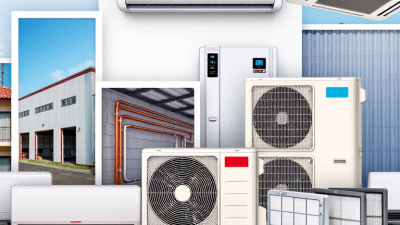
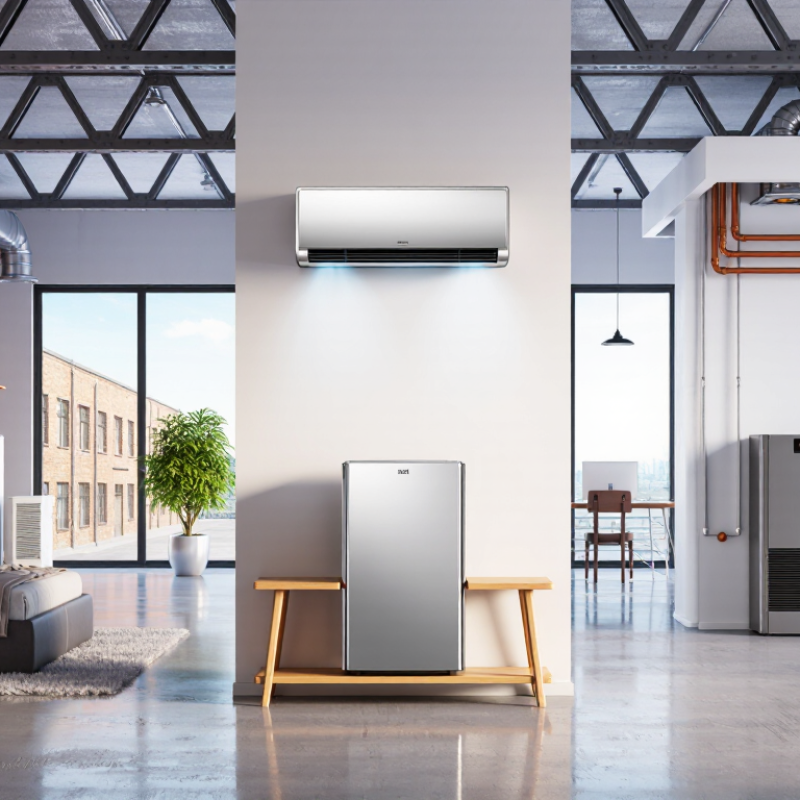
Systems are commonly classified by layout, cooling method, and control range. Split systems serve one indoor zone with an outdoor condenser. Multi-split systems connect several rooms to one outdoor unit. Ducted systems move air through concealed channels, while variable-refrigerant-flow systems adjust refrigerant flow across many zones. Portable and window units are compact, but they often trade lower installation effort for more noise and weaker efficiency.
Heat-pump air conditioners are expected to remain prominent in 2026 because they can provide heating and cooling. Inverter-driven compressors also reduce repeated starts, especially in rooms with changing occupancy. Chilled-water systems suit large buildings, while ductless units fit older homes with limited space for ductwork. A tidy category list can still mislead. No system wins every building. Poor sizing causes short cycling, uneven temperatures, and wasted energy. A reliable assessment checks insulation, room use, outdoor climate, electrical capacity, filter access, and condensate drainage before selecting equipment.
The Leading Aircon System Types Expected in 2026
What Are the 2026 Top Aircon Systems Types?
The leading aircon system types expected in 2026 will focus on efficiency, zoning, and lower operating costs. Inverter-driven split systems should remain popular in apartments and small offices. Their compressors adjust speed instead of repeatedly switching on and off. This can create steadier room temperatures and quieter nights.
The International Energy Agency’s The Future of Cooling report warns that cooling demand could more than triple by 2050. Efficiency is no longer a luxury.
Variable refrigerant flow systems will suit hotels, clinics, and larger commercial buildings. They can control different zones while limiting unused cooling. Ducted heat pump systems will also gain attention because they provide cooling and heating through one network. The IEA’s Energy Efficiency 2023 report identifies efficient cooling as an important route for reducing electricity demand.
Still, installation quality matters. A poorly sized system may cycle too often, waste energy, and leave one corner uncomfortable. That detail is easy to ignore.
Tips:
Ask for a room-by-room load calculation, not a guess based only on floor area.
Check seasonal efficiency ratings, filter access, drainage, and outdoor-unit noise.
Smart controls can help, but they cannot repair weak insulation.
I would also question impressive savings claims without local climate data. A modest system, correctly installed, may perform better than a powerful one.
How to Choose an Aircon System for Different Building Needs
Choosing an aircon system in 2026 starts with the building, not a product list.
A small apartment may suit a high-efficiency split system, especially when each room needs separate control. It is relatively simple to install. However, exposed outdoor units, poor shading, and limited electrical capacity can change that decision. I have found that measured heat-load calculations outperform guesses based on floor area. They reveal solar gain through west-facing glass, cooking loads, and crowded rooms. Small details matter.
For offices, clinics, and schools, a variable-refrigerant-flow system can serve different zones with fewer indoor units. It works well where rooms have changing schedules, but commissioning and refrigerant-safety planning require qualified technicians. A ducted system offers quiet, even airflow and a cleaner appearance. Yet long ducts can waste energy if insulation or balancing is neglected. Open warehouses and large retail spaces may need rooftop or packaged units, while high-ceiling areas often need destratification fans. The best option depends on access, noise limits, ceiling height, and future layout changes.
For houses and small commercial buildings, reversible heat-pump systems can provide cooling and heating from one installation. Check local winter temperatures, backup heating needs, drainage, and defrost performance. Ask for seasonal efficiency data, not only peak capacity. Maintenance access should be planned before installation, because a filter hidden above a sealed ceiling will be ignored. No choice is perfect. A system that looks efficient on paper may disappoint after poor commissioning. Independent load calculations, documented airflow tests, warranty terms, and realistic service budgets make the decision more reliable. I still revisit specifications after occupancy; real comfort sometimes exposes assumptions the drawings missed.
Energy Efficiency, Smart Controls, and Future Aircon Trends
What Are the 2026 Top Aircon Systems Types?
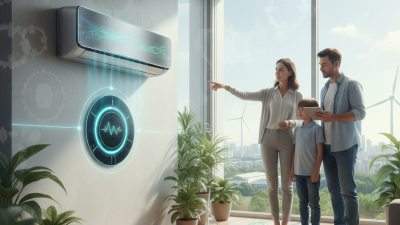
In 2026, the strongest aircon choices will combine efficiency with flexible control. Variable-speed split systems remain practical for apartments and small offices. They adjust compressor output instead of repeatedly switching on and off. This reduces temperature swings and may lower electricity use during partial-load operation. Larger buildings will increasingly use variable refrigerant flow systems, heat-pump air conditioning, and hybrid ventilation. These systems can match cooling demand across different rooms. Smart sensors make that adjustment more precise.
The International Energy Agency reported in The Future of Cooling that space-cooling energy demand had tripled since 1990. It also warned that cooling demand could triple again by 2050 without stronger efficiency measures.
That projection makes controls more important than impressive laboratory ratings. Occupancy sensors, outdoor-temperature data, and hourly energy monitoring can prevent empty rooms from being cooled all day. Small details matter. A poorly positioned sensor can still waste energy.
The UNEP and IEA Cooling Emissions and Policy Synthesis Report found that better efficiency could significantly reduce future cooling emissions.
However, installation quality remains an uncomfortable weakness. Leaking ducts, incorrect refrigerant charges, dirty filters, and weak commissioning can erase expected savings.
High efficiency is not automatic. A reliable 2026 system should provide clear performance data, fault alerts, and simple manual overrides. Connected controls also need strong privacy safeguards and regular software maintenance. The technology is improving, but user habits still decide much of the final result.