Choosing among aircon systems is not simply a matter of comparing cooling capacity or purchase price. Global buyers face different climates, building designs, electricity costs, installation skills, and maintenance conditions. A system that performs well in Singapore may feel unsuitable in a dry Australian warehouse or a compact European apartment.
Willis Carrier, widely recognized as the father of modern air conditioning, described the purpose clearly: “Air conditioning is the simultaneous control of temperature, humidity, purity, and motion of air.” His words remain relevant. Modern systems must manage comfort, indoor air quality, energy consumption, and environmental responsibility together. That balance is difficult.
This guide examines ten major types of aircon systems, including split systems, multi-split units, packaged air conditioners, ducted systems, VRF solutions, chillers, and portable models. Each option offers practical strengths. Each also has limitations. Capacity, sound levels, refrigerant choice, zoning control, and service access can change the buying decision significantly.
Real-world experience matters here. A technically efficient unit may disappoint when filters are neglected, outdoor space is restricted, or local technicians lack training. Details matter. So does climate.
The ranking should not be treated as a universal rule. Building use and regional conditions can reverse the order. That is an important weakness in any global comparison. Buyers should verify manufacturer data, installation requirements, warranty coverage, and applicable efficiency standards before committing. Reliable selection begins with evidence, not attractive specifications.
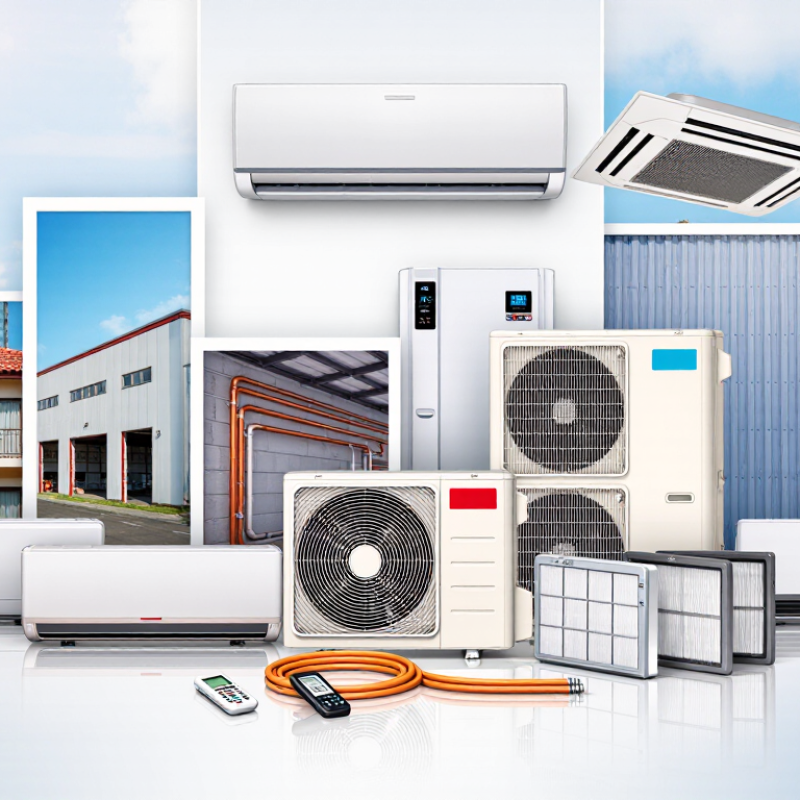
Top 10 Types of Aircon Systems for Global Buyers
Core Principles for Classifying Aircon Systems Worldwide
Aircon systems should be classified by more than appearance or cooling capacity. A reliable comparison starts with four questions: Where is heat rejected? How is cooled air distributed? How is the system installed? What climate must it handle?
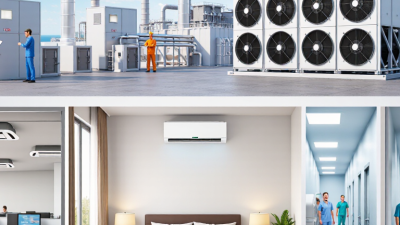
The ten common types include window units, portable units, split systems, multi-split systems, ducted split systems, variable-refrigerant systems, rooftop units, packaged terminal units, chilled-water systems, and evaporative coolers. Each type serves a different building pattern. A window unit suits one small room. A chilled-water system may serve a hospital, hotel, or office tower. Variable-refrigerant systems offer flexible zoning, but installation quality strongly affects performance.
Look closer.
Classification also depends on control method, energy source, maintenance access, and local weather. In a humid coastal city, moisture removal may matter more than peak cooling power. In a dry region, evaporative cooling can use less electricity, but it needs suitable water conditions. Buyers should check voltage, refrigerant regulations, noise limits, drainage, and service skills before comparing prices.
Field experience often reveals an uncomfortable detail: the “best” system can perform poorly after careless sizing. Oversized equipment may cool quickly but leave rooms damp. Undersized equipment may run continuously during a heatwave. Seasonal efficiency ratings help, yet they cannot replace airflow checks, insulation reviews, and realistic occupancy estimates. Classification is useful, but it remains an informed starting point rather than a final purchasing decision.
For global buyers, four aircon categories deserve close attention: central, split, multi-split, and ductless systems. Central aircon serves several rooms through concealed ducts and one outdoor unit. It works well in large homes, offices, hotels, and new commercial buildings. However, duct installation can raise renovation costs and reduce ceiling space. A detailed heat-load calculation is essential. Guesswork often creates uneven temperatures.
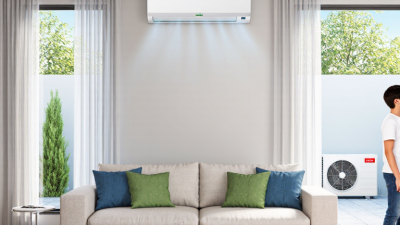
Split systems connect one indoor unit to one outdoor unit. They suit bedrooms, shops, and smaller offices with limited installation work. A wall-mounted indoor unit can cool a room quickly, but airflow may not reach corners evenly. Multi-split systems connect several indoor units to one outdoor unit. This saves exterior space and supports separate temperature settings. However, long refrigerant lines can reduce performance when poorly designed. Installer training and local electrical requirements matter greatly.
Ductless systems, often called mini-split systems, avoid air ducts completely. They are useful for older buildings, extensions, workshops, and rooms with different cooling needs. Filters need regular cleaning, especially near roads, kitchens, or dusty work areas. In practical projects, buyers sometimes focus only on cooling capacity and overlook humidity control, noise, maintenance access, and replacement parts. That decision can become expensive later. Measure twice. A system that looks efficient on paper may perform poorly when room use, insulation, climate, and installation quality are ignored.
| Rank | Aircon System Type | Typical Cooling Capacity | Air Distribution | Best-Fit Applications | Installation Complexity | Main Advantages | Key Buyer Considerations |
|---|---|---|---|---|---|---|---|
| 1 | Central Chilled-Water System | 350 kW and above (approximately 1.2 million BTU/h and above) |
Chilled water circulated to air-handling units or fan-coil units | Large offices, hospitals, universities, airports, hotels, shopping centers, and industrial facilities | Very high | Efficient for large loads, centralized maintenance, flexible zoning, and long service life when properly maintained | Requires plant-room space, water treatment, pumps, cooling towers or dry coolers, and specialist design support |
| 2 | Central Split System | 10–35 kW (approximately 34,000–119,000 BTU/h) |
Refrigerant circuit connected to a central indoor air handler and duct network | Large homes, retail areas, restaurants, clinics, and medium-sized commercial buildings | High | Provides whole-building cooling from a centralized indoor unit and can support filtered, conditioned air distribution | Needs ductwork, adequate service access, correctly sized refrigerant piping, and sufficient outdoor-unit clearance |
| 3 | Packaged Rooftop Unit | 10–350 kW (approximately 34,000–1.2 million BTU/h) |
Self-contained outdoor unit supplying conditioned air through ducts | Retail stores, warehouses, supermarkets, workshops, offices, and light industrial buildings | Medium to high | Factory-assembled package, reduced indoor plant-room requirements, and relatively straightforward replacement of complete units | Roof structural capacity, weather protection, lifting access, noise, duct sealing, and local rooftop regulations must be checked |
| 4 | Ducted Split System | 5–35 kW (approximately 17,000–119,000 BTU/h) |
One outdoor unit and one concealed indoor air handler connected to supply and return ducts | Villas, offices, restaurants, small hotels, retail units, and buildings requiring concealed air distribution | Medium to high | Clean interior appearance, multiple supply outlets, and more uniform air distribution than a single wall-mounted unit | Duct design, ceiling void height, static pressure, air balancing, and insulation quality strongly affect performance |
| 5 | Variable Refrigerant Flow System | 10–200 kW per system (approximately 34,000–682,000 BTU/h) |
Variable refrigerant flow to multiple indoor units through branched piping | Hotels, office buildings, apartment complexes, schools, and mixed-use commercial projects | High | Independent zone control, flexible indoor-unit selection, long piping layouts, and good part-load performance | Requires certified design and commissioning, refrigerant safety assessment, pipe-length limits, and compatible controls |
| 6 | Multi-Split System | 4–18 kW (approximately 14,000–61,000 BTU/h) |
One outdoor unit connected to two or more indoor units | Homes, apartments, small offices, clinics, and buildings with several independently conditioned rooms | Medium | Fewer outdoor units, room-by-room control, space savings, and lower visual impact on façades | Outdoor-unit capacity must match the connected load; piping limits, simultaneous operation, and control compatibility are important |
| 7 | Ductless Mini-Split System | 2–8 kW (approximately 7,000–27,000 BTU/h) |
Direct refrigerant connection between one outdoor unit and one wall-mounted or floor-mounted indoor unit | Bedrooms, living rooms, small offices, extensions, server rooms, and buildings without existing ductwork | Low to medium | High zoning flexibility, relatively quick installation, good retrofit suitability, and no major ductwork requirement | Indoor-unit placement, condensate drainage, outdoor noise, refrigerant line routing, and local energy-label requirements should be reviewed |
| 8 | Ceiling Cassette System | 3.5–16 kW (approximately 12,000–55,000 BTU/h) |
Ceiling-mounted indoor unit distributing air in four-way, two-way, or one-way patterns | Open-plan offices, shops, restaurants, classrooms, showrooms, and hospitality spaces | Medium | Even air distribution, unobtrusive appearance, and good coverage of open rooms | Requires a suitable suspended ceiling or structural support, condensate drainage, service clearance, and careful airflow selection |
| 9 | Floor-Ceiling System | 5–18 kW (approximately 17,000–61,000 BTU/h) |
Indoor unit mounted low on a wall or suspended from the ceiling | Large rooms, workshops, retail spaces, restaurants, halls, and buildings with limited ceiling voids | Medium | Flexible mounting, strong airflow, broad coverage, and suitability for spaces where wall-mounted or cassette units are impractical | Air throw, occupant comfort, mounting strength, condensate routing, operating noise, and clearance from obstructions should be assessed |
| 10 | Portable Air Conditioner | 2–4.5 kW (approximately 7,000–15,000 BTU/h) |
Self-contained unit with a flexible exhaust hose routed through a window or wall opening | Temporary cooling, rental properties, small rooms, heritage buildings, and locations where permanent installation is restricted | Low | Easy relocation, minimal installation work, and no permanent outdoor unit required | Generally noisier and less efficient than fixed systems; window sealing, condensate management, exhaust routing, and room size are critical |
Capacity figures are typical planning ranges for international comparison. Final selection should be based on a room-by-room heat-load calculation, local climate, voltage and frequency, refrigerant regulations, energy-label requirements, and available installation space.
Packaged aircon systems combine cooling equipment, fans, filters, and controls in one cabinet. They suit shops, clinics, workshops, and compact commercial buildings. Rooftop units save indoor floor space and simplify installation, especially where ceilings and service access are limited. Portable air conditioners offer fast deployment for temporary offices, rented properties, and isolated rooms. However, their exhaust hoses can leak warm air, reducing real-world performance.
The International Energy Agency reported in The Future of Cooling that space cooling already represents about 10% of global electricity consumption. Demand could more than triple by 2050 without stronger efficiency measures.
Tips: Match capacity to room load, not floor area alone. Check local voltage, drainage, noise limits, filter access, and refrigerant requirements. A professional heat-load assessment remains safer than guessing.
UNEP and IEA’s Cooling Emissions and Policy Synthesis Report also highlights efficient equipment and low-global-warming refrigerants as important climate actions.
Yet efficiency labels do not tell the whole story. Poor maintenance, blocked filters, or a badly sealed rooftop curb can erase expected savings. Portable units are convenient, but often less efficient. That trade-off deserves honest consideration. Buyers should compare seasonal efficiency data, standby consumption, warranty coverage, and technician availability before selecting one of the top ten system types. A lower purchase price may become expensive during long, hot operating periods.
Among the top 10 aircon systems for global buyers, VRF, chilled-water, and evaporative cooling deserve close attention. VRF systems use refrigerant flow control to serve different zones independently. They suit offices, hotels, and mixed-use buildings with changing occupancy. Field experience shows strong part-load performance, but installation quality matters greatly. Poor pipe sizing can reduce efficiency and comfort.
Chilled-water systems use a central chiller, pumps, and air-handling units. They work well in hospitals, airports, and large factories. The International Energy Agency’s The Future of Cooling report projects space-cooling electricity demand could rise from about 2,000 TWh in 2016 to over 6,200 TWh by 2050. That scale makes chiller efficiency, water treatment, and maintenance increasingly important. They are powerful, but not simple.
Evaporative cooling uses water evaporation to lower air temperature. It performs best in hot, dry climates with adequate ventilation. Energy use can be lower than mechanical refrigeration, although humidity limits its comfort range. UNEP’s 2023 Global Cooling Watch estimates cooling demand could more than triple by 2050. Buyers should compare seasonal efficiency, refrigerant impact, water availability, controls, and technician skills. A low-cost system may become expensive after several neglected service cycles. The uncomfortable point is this: no system wins everywhere. Climate data and building behavior still decide the outcome.
Climate should shape the shortlist before capacity enters the spreadsheet. The International Energy Agency’s Future of Cooling report projects global space-cooling electricity demand could exceed 6,200 TWh by 2050. In humid coastal zones, select systems with strong latent cooling performance, corrosion protection, and reliable drainage. Dry inland sites need sensible capacity, filtration, and protection against dusty coils.
Calculate capacity from room volume, solar gain, occupancy, equipment heat, and ventilation. A 100-square-metre glass office can need far more cooling than an insulated warehouse. Oversizing feels safe, but it can cause short cycling, humidity problems, and unnecessary energy use. It remains a common purchasing mistake. Check sensible heat ratio, part-load performance, noise, service access, and seasonal ratings such as SEER or SCOP.
Efficiency claims need context. Test conditions differ across regions, so compare certificates under the same standard and climate profile. UNEP’s 2023 Global Cooling Watch reports that efficient equipment and passive measures could reduce projected 2050 cooling emissions by 68 percent. Compliance also deserves early review. Confirm electrical ratings, refrigerant restrictions, safety classifications, efficiency labels, and local installation codes. The Kigali Amendment is accelerating the shift toward lower-impact refrigerants, but availability and technician training vary widely. A technically excellent system can still fail when parts, skills, or documentation are missing.